

How to Choose a 14 Inch Bike for a Boy: A Practical Parent's Guide
A 14 inch bike for a boy is a starting point, not a complete fit answer. Boys of the same age can have different inseams, reach and riding experience, and a 14-inch wheel does not guarantee that the saddle, top tube or brake levers will suit the same child. Use the wheel label to make a shortlist, then let measurements and a calm control test decide.
Start with inseam and stand-over room
Measure the child's inseam in thin shoes with a firm book held level between the legs. Compare that measurement with the exact product guidance and make sure there is comfortable stand-over clearance when the child is wearing normal riding clothes. A child should be able to mount, stop and put a foot down without tipping the bicycle or stretching for the ground. Do not raise a saddle past its marked limit to make a small frame last longer.
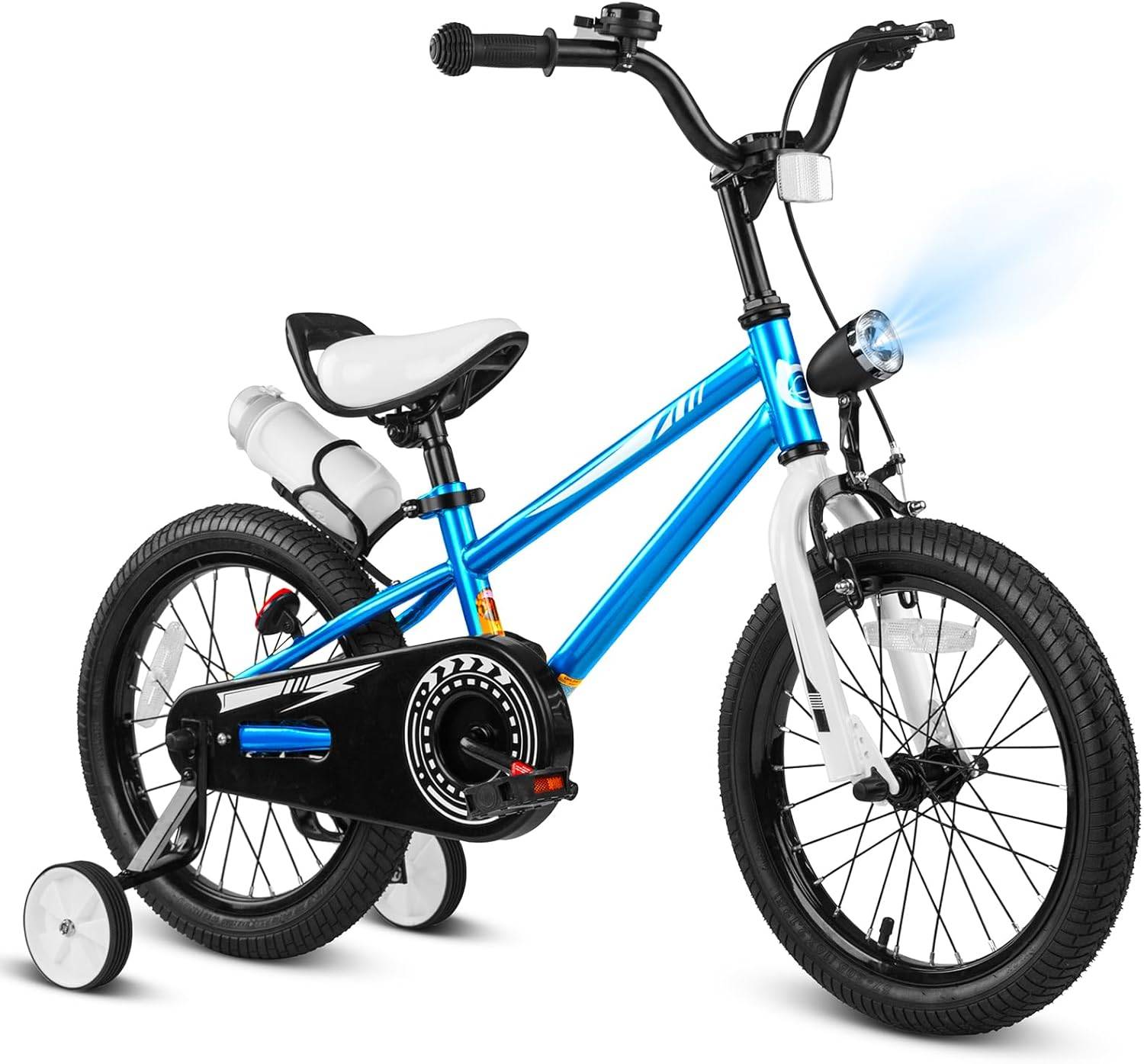
Check reach before judging the size
With an adult holding the bicycle on level ground, ask the rider to sit naturally and hold the grips. Shoulders should stay relaxed, elbows should have a little bend and the child should see ahead without leaning heavily on the handlebar. The brake controls must be reachable from the normal grip. If the child has to release the grip or use fingertips only, the problem is fit or adjustment, not a lack of effort.
Choose the braking and learning stage
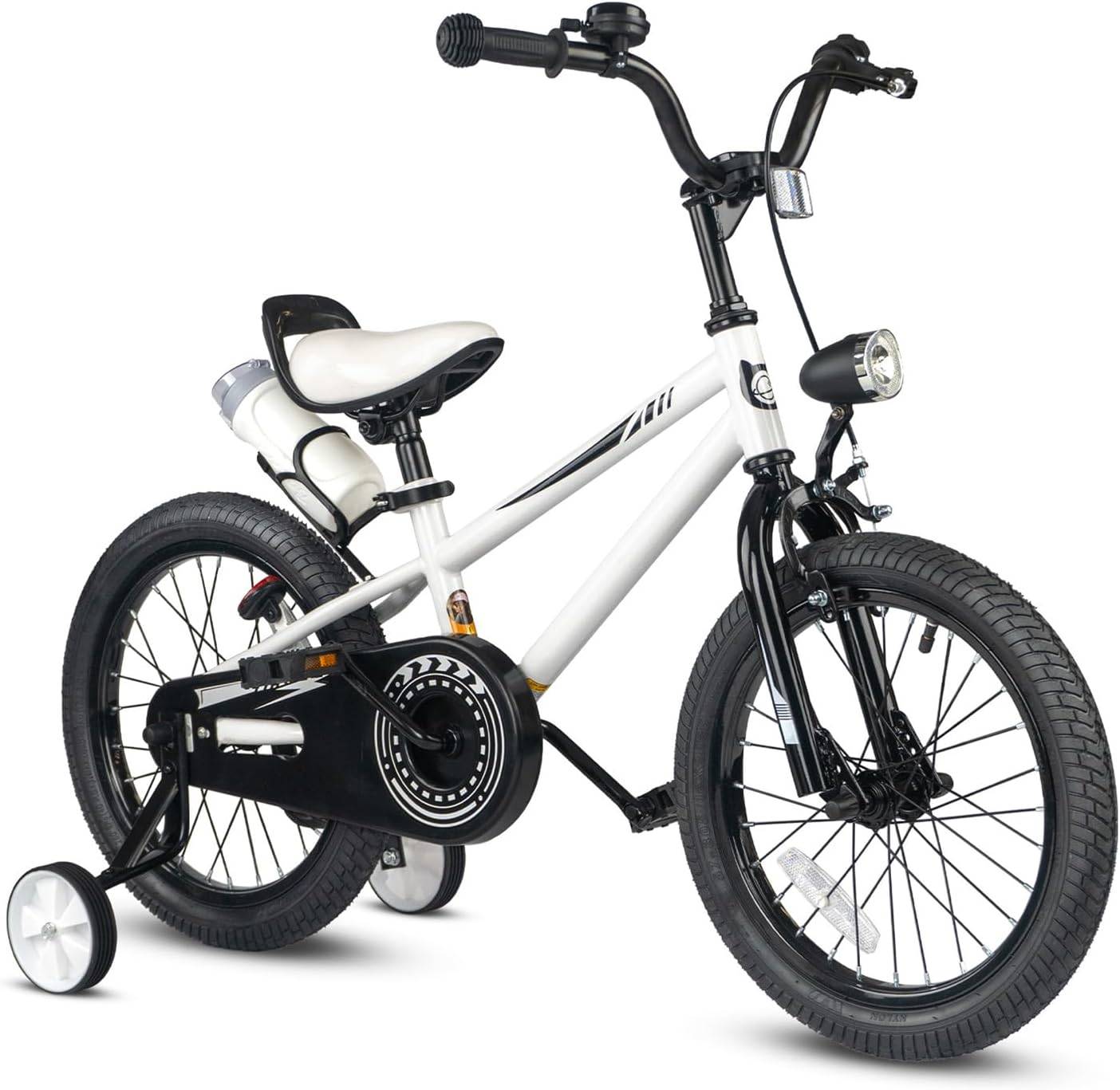
Many small bikes combine a hand-operated front brake with a rear coaster brake, while others use a different configuration. Explain each fitted brake and practice a slow stop before a longer ride. Training wheels can help a child learn pedaling and control, but they change how the bike leans. A child coming from a balance bike may be ready for two-wheel practice instead; follow the supplied instructions rather than removing hardware by guesswork.
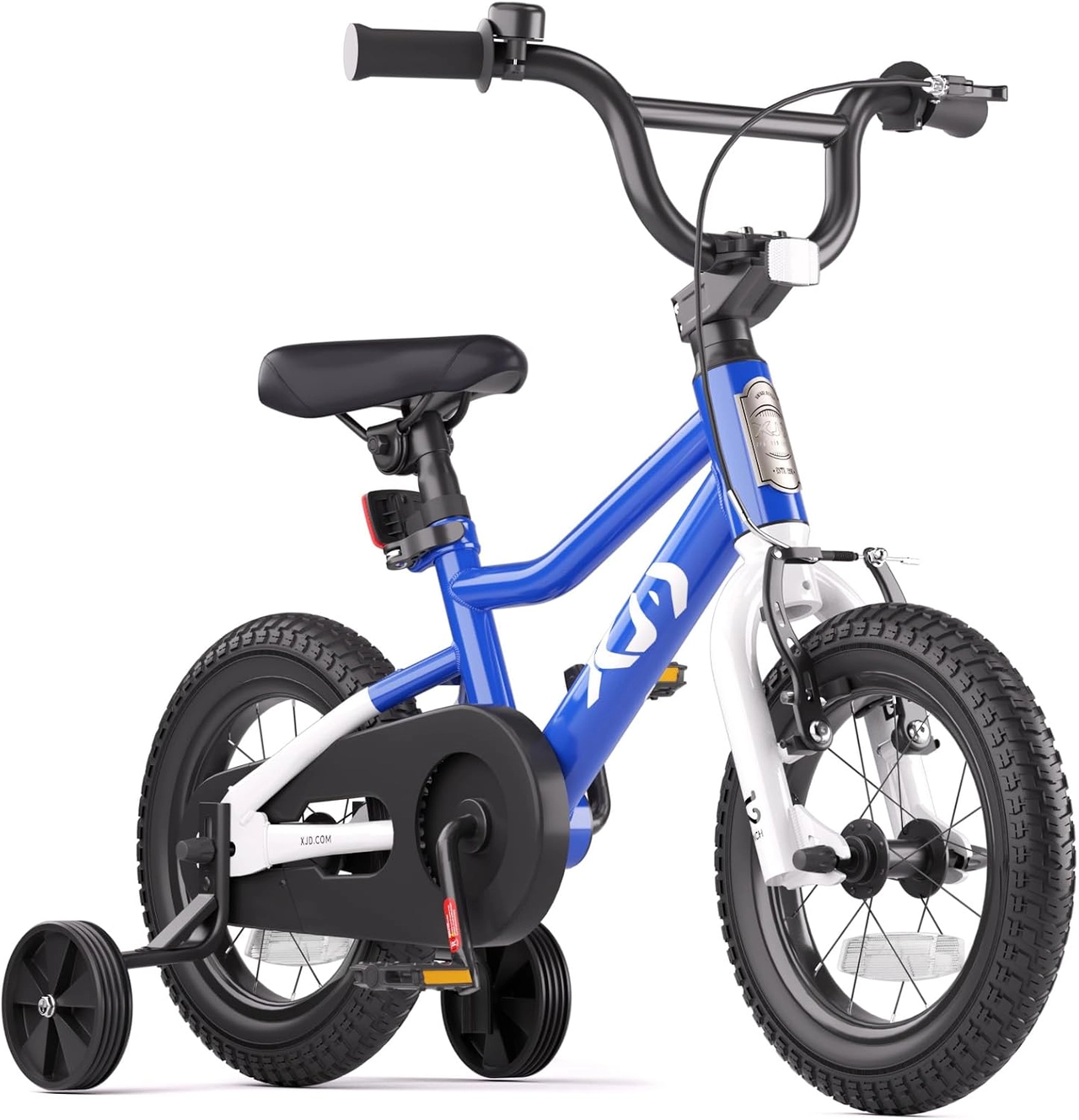
Compare current XJD 14-inch choices
The XJD Boys Bike Blue and XJD Boys & Girls Bike White provide direct 14-inch examples while covering other small-wheel options on their product pages. The XJD Blue Kids BMX Bike with Training Wheels is another way to compare a familiar training-wheel setup. Look at the selected size, included brakes, chain protection and adjustment range on the live page. Color or the word boys does not replace the fit check.
Plan the first rides around control
Use a dry, level, traffic-free practice area with space for a straight start, a wide turn and a planned stop. Fit a helmet correctly and keep an adult within reach. End the session when the child is tired or begins staring at the pedals. A 14-inch bike is the right choice when the rider can repeat starts, turns and stops with confidence—not simply when the wheel number matches an age chart.
How current product examples clarify the choice
For a concrete comparison, review the boys' bike collection and the 14-inch bike size guide alongside the selected product page. These links help narrow the catalog; the child's measurements and controls still make the final decision.
Related reading on XJD Bikes
boys' bike collection and 14-inch bike size guide provide nearby sizing and riding context; always use the exact product instructions for assembly and adjustment.
Practical checklist
- Measure inseam and confirm stand-over clearance.
- Check brake reach from the normal grip.
- Keep saddle and handlebar inside marked limits.
- Match training-wheel use to the child's current skill.
- Test one calm start, turn and stop before longer rides.
Frequently asked questions
What age is a 14 inch bike for a boy?
Age ranges are only a reference. Inseam, stand-over clearance, reach and brake control are more reliable than a birthday, so compare the exact model with the child sitting on it.
Should I buy a larger bike so he can grow into it?
Not if the larger frame makes mounting, steering or braking difficult. Choose the size the child can control now and remeasure after a growth spurt.
Before making the final choice, revisit the exact route or driving area at the time it will normally be used. A setup that works during a quiet test may need more room, visibility or adult support when other people and everyday obstacles are present.
Bottom line
Use the answer to 14 inch bike for a boy as a decision process, not a shortcut. Confirm the live product data and manual, match the rider to the controls and setting, and favor repeatable control over a larger size or higher performance label.
Bikes for your next adventure
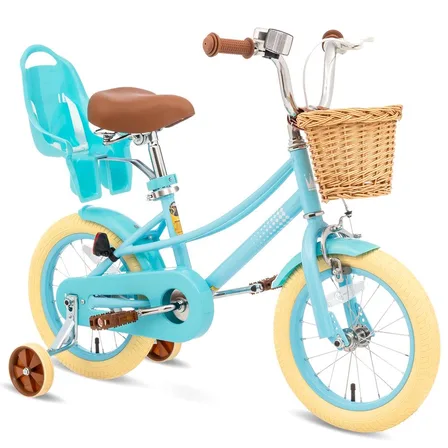
XJD Kids Bike Blue
XJD Kids Bike Blue brings the recorded fit, riding and configuration details tog…$139
$159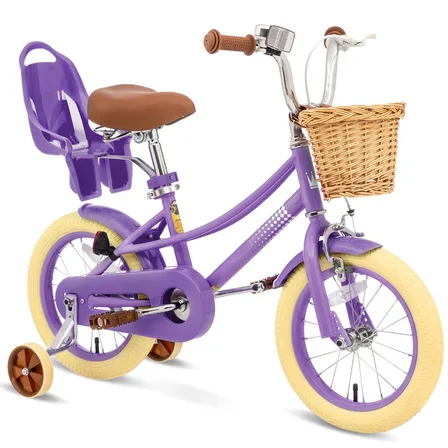
XJD Kids Bike Purple
XJD Kids Bike Purple brings the recorded fit, riding and configuration details t…$139
$159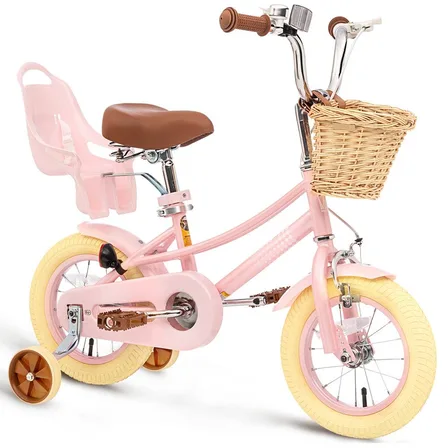
XJD Kids Bike Pink
XJD Kids Bike Pink brings the recorded fit, riding and configuration details tog…$139
$159