Kids Bike Fork Bent: Signs Parents Should Check
A kids bike fork bent after a fall, collision or rough transport is a stop-riding concern. The change may be obvious, or it may appear only as a wheel sitting off-center, tire rub or altered steering. Do not try to straighten the fork by pulling the wheel. Park the bicycle and inspect the complete front end.
Record the impact and symptoms
Ask what happened without asking the child to reproduce it. Note which side struck, whether the wheel twisted, and whether steering, braking or tire clearance changed. Photograph the front, side and rear views before anyone adjusts the stem or wheel. This evidence helps separate a shifted attachment from structural deformation.
Compare both fork legs
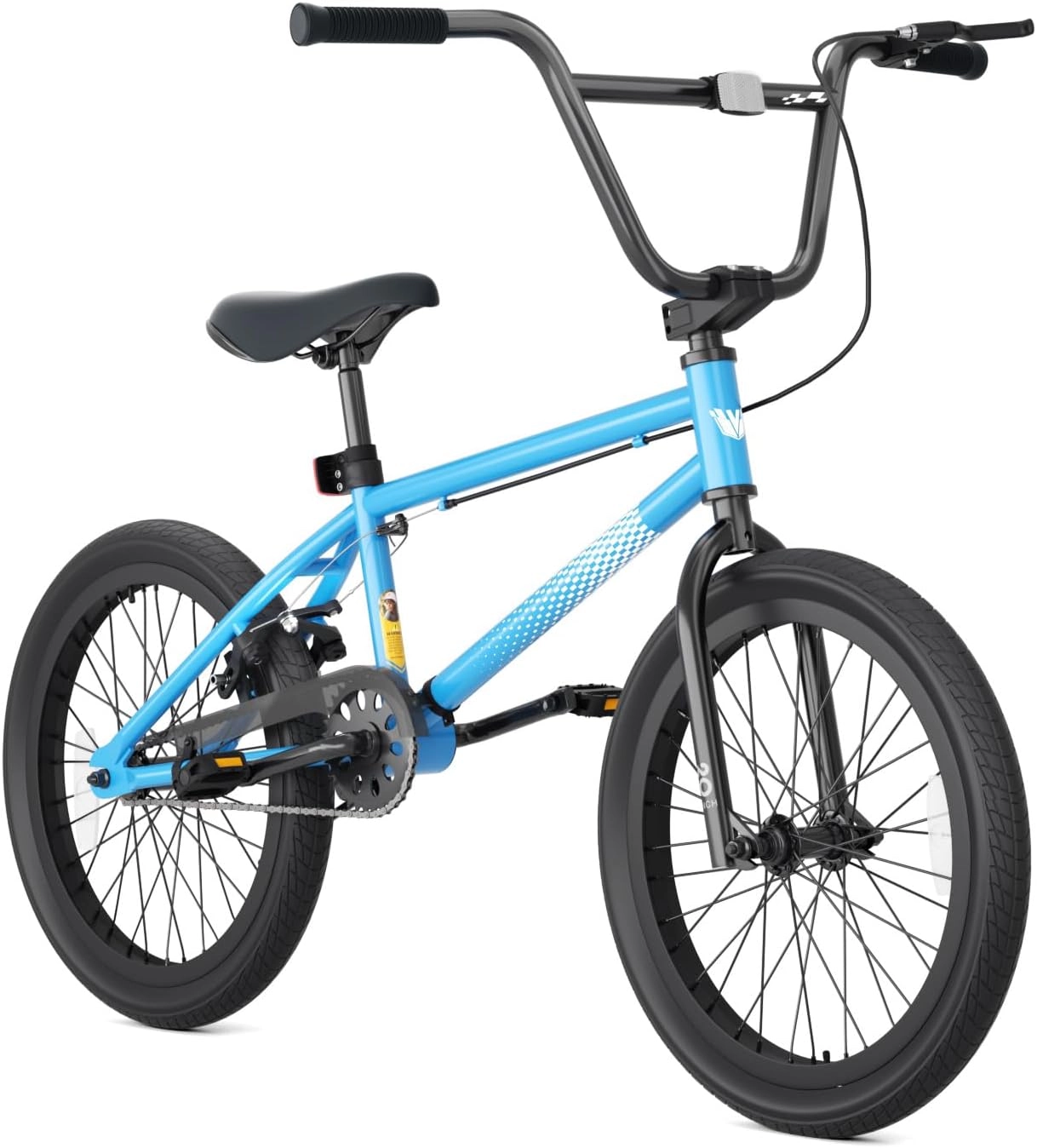
Stand the unloaded bicycle on level ground and view the fork from several angles. Look for unequal curves, dents, ripples, cracks, chipped coating at a stress point or one dropout sitting differently. Symmetry varies by design, so compare with the model images and manual rather than assuming every intentional shape is damage.
Inspect wheel position and clearance
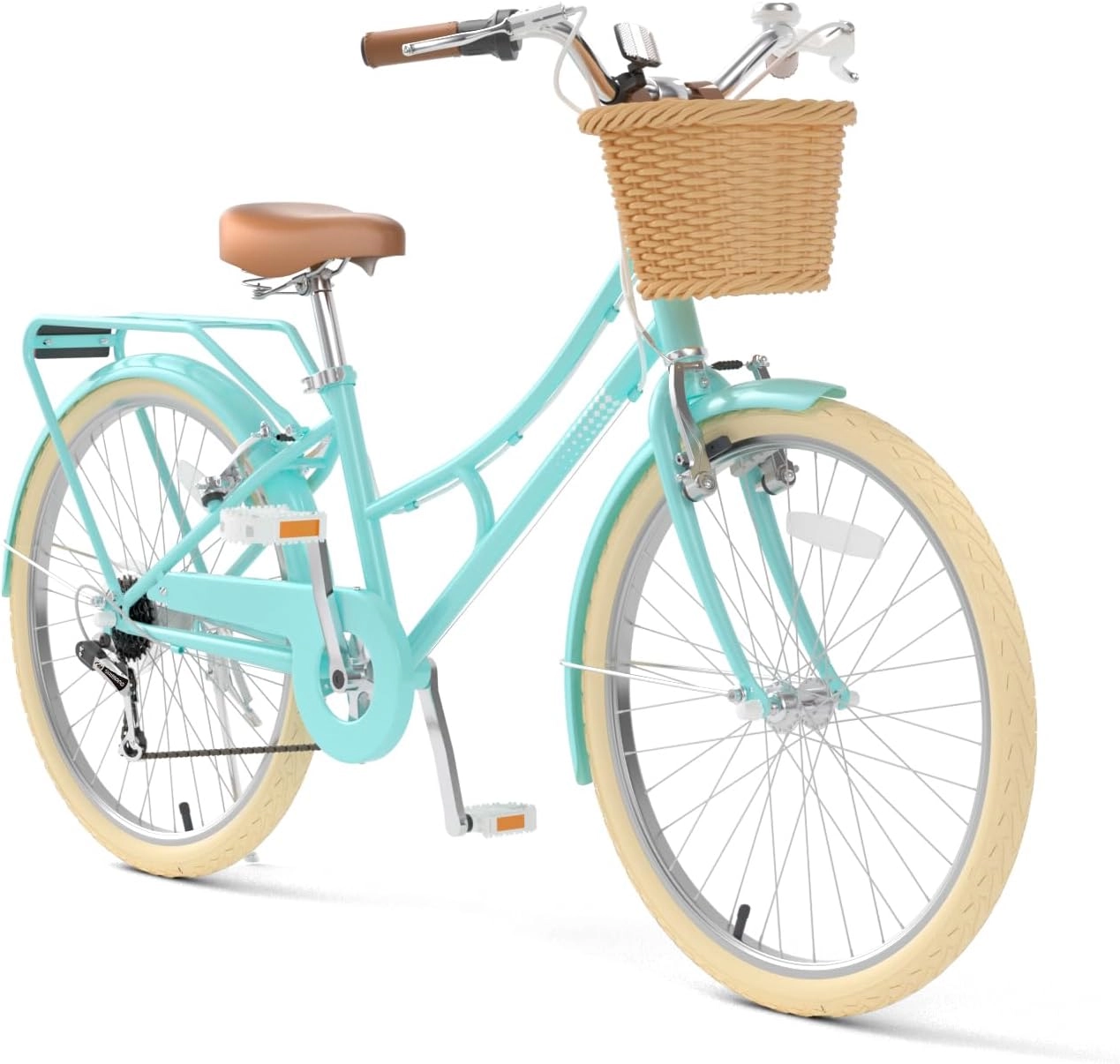
Confirm the wheel is correctly retained before judging alignment. Slowly rotate it and watch gaps at both fork legs, tire, rim brake and fender. A poorly seated wheel can mimic a bent fork, while a bent rim can move once per revolution. Do not loosen retention hardware without following the exact wheel procedure.
Check steering and brakes together
Turn the handlebar gently through its normal range and stop for binding, grinding, cable pull or a new knock. Inspect the headset, stem and handlebar for movement or marks. Operate both brakes while stationary. A visual realignment is incomplete if braking, bearing feel or cable routing changed during the same impact.
Use professional structural judgment
Fork repair or replacement depends on material, construction and damage location. Do not heat, hammer or cold-bend a child's bicycle fork. A technician should assess the fork, frame head tube, wheel and headset. After approved service, an adult completes a low-speed straight and turning test before the child returns.
How current product examples clarify the choice
The XJD Blue 20-Inch Freestyle BMX Bike and XJD Mint Green Beach Cruiser use different tires, brakes and fork surroundings. Their contrast shows why clearance and alignment must be checked on the actual model. A wide BMX tire and a cruiser fender can reveal impact changes differently without defining the repair method.
Practical checklist
- Keep the child off after an impact.
- Photograph alignment before adjustment.
- Separate wheel and fork symptoms.
- Never bend a fork back by force.
Frequently asked questions
Can a bent bike fork be safe if the wheel still turns?
No conclusion can be drawn from rotation alone. Structural damage can remain even when the wheel spins.
Could crooked handlebars look like a bent fork?
Yes. The stem, handlebar, headset, wheel and fork all need separate inspection after a front-end impact.
Before making the final choice, revisit the exact route or driving area at the time it will normally be used. A setup that works during a quiet test may need more room, visibility or adult support when other people and everyday obstacles are present.
Bottom line
Use the answer to kids bike fork bent as a decision process, not a shortcut. Confirm the live product data and manual, match the rider to the controls and setting, and favor repeatable control over a larger size or higher performance label.
Recommended products
-
XJD Girls Bike with Basket & Doll Seat – Flower Pink
XJD Girls Bike with Basket & Doll Seat – Flower Pink brings the recorded fit…
Training Wheel Bikes Training Wheels Yes Geared 12 Inch -
Save 24%
XJD Girls Bike with Basket & Doll Seat – Purple
XJD Girls Bike with Basket & Doll Seat – Purple brings the recorded fit, rid…
Training Wheel Bikes Training Wheels Yes Geared 12 Inch -
Save 24%
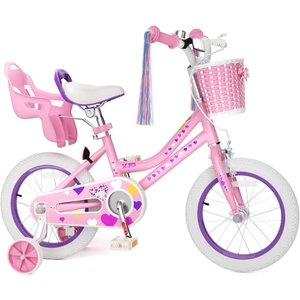
XJD Girls Bike with Basket & Doll Seat – Pink
XJD Girls Bike with Basket & Doll Seat – Pink brings the recorded fit, ridin…
Training Wheel Bikes Training Wheels Yes Geared 12 Inch -
Save 14%
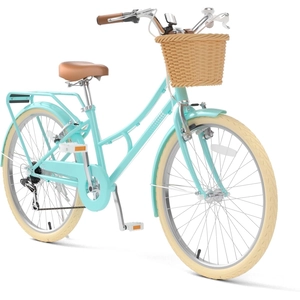
XJD Beach Cruiser Bike with Rear Rack & V-Brake – Mint Green
XJD Beach Cruiser Bike with Rear Rack & V-Brake – Mint Green brings the reco…
Beach Cruiser Bikes Training Wheels No Geared 20 Inch