

A Child's Riding Confidence: How the Right Bike Helmets Can Help
A child's relationship with Bike Helmets is shaped by more than the product. Fit, the adult's pace, and the way a family responds to hesitation can turn a difficult first try into a skill the child genuinely wants to practice.
The first session was not about distance
Imagine a parent bringing out Bike Helmets on a quiet morning. The child is excited, then suddenly cautious. Instead of promising a long ride, the parent marks two points a few steps apart and says, “Today we are only practicing a comfortable start and stop.” The task becomes small enough to try.
Fit changed the conversation
The first adjustment is not dramatic. The parent checks reach, confirms the child can use the controls, and chooses a position that feels manageable now. The child no longer has to stretch and can pay attention to looking ahead. What first looked like fear was partly the body asking for a better setup.
One skill became the day's win
They practice stopping at the same marker. The parent stays close, gives one instruction at a time, and avoids grabbing the steering unexpectedly. After several tries, the child stops where intended. They finish there instead of adding another challenge.
The next rides build a pattern
On the following day, the same check comes first: equipment, helmet, riding area, and one clear goal. A wider turn is added. Later, the distance grows. Progress is uneven, but the routine remains familiar, and the child begins asking to practice rather than being persuaded.
What this story teaches parents
- Confidence often follows control; it cannot be talked into existence.
- A present-day fit is kinder than oversized equipment bought for later.
- Stopping is a success worth celebrating, not merely the end of a ride.
- Short sessions protect attention and leave energy for another try.
- Specific praise such as “you looked ahead through that turn” teaches more than general praise.
Give the child a voice within suitable choices
Once an adult has narrowed the fit and configuration, show the child XJD Kids Bike Helmet Purple, XJD Kids Bike Helmet Black, and XJD Kids Bike Helmet Pink. You can browse the complete Bike Helmets selection together and let appearance help break a tie between genuinely suitable options. Participation can build enthusiasm without asking the child to make the safety decision.
Let the product support the relationship
Equipment should not become a test of courage or a source of family pressure. You can invite the child to help with the pre-ride check, choose between two safe practice goals, and say when something feels uncomfortable. That shared process develops judgment as well as physical skill.
Progress without comparison
Another child may ride earlier, farther, or differently. Those comparisons do not tell you whether your child is building reliable control. Watch for personal milestones: a calmer start, eyes looking ahead, a planned stop, or the willingness to try again after a pause.
The value of well-chosen Bike Helmets is not a perfect first ride. It is the chance to create repeated, manageable experiences in which a child feels heard, learns a real skill, and gradually takes ownership of riding safely.
Bikes for your next adventure
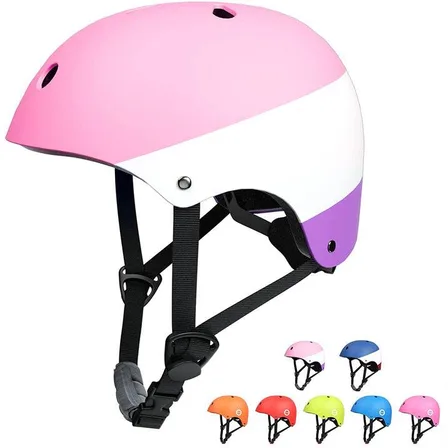
XJD Kids Bike Helmets
XJD Kids Bike Helmets makes helmet selection clearer: measure first, then choose…$59.99
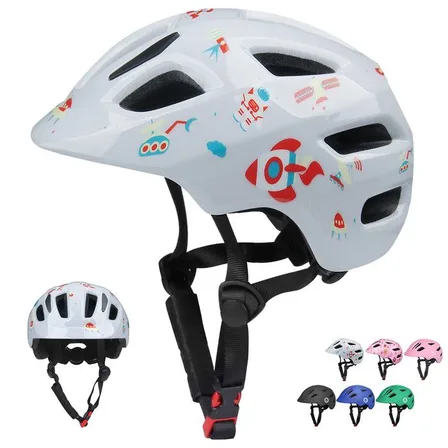
XJD White Astronaut Kids' Bike Helmet
4 reviews
XJD White Astronaut Kids' Bike Helmet makes helmet selection clearer: measu…$59.99
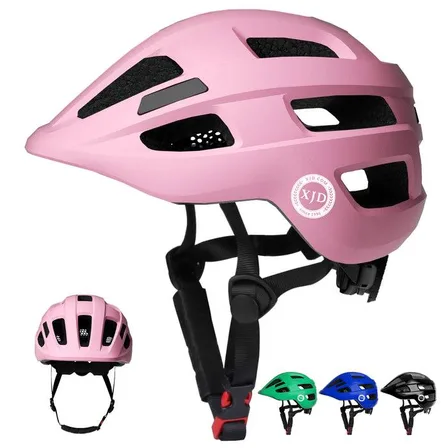
XJD Kids Bike Helmet
XJD Kids Bike Helmet makes helmet selection clearer: measure first, then choose …$59.99