

Bike Helmets Size Guide: How to Measure Head Fit
A size label on Bike Helmets is only useful when it matches the child's measured head and produces a stable adjusted fit. This guide shows you how to measure, position, and check a helmet without guessing from age or clothing size.
Measure the head before choosing a label
For Bike Helmets, size names such as XS, S, or M are not universal. Wrap a soft measuring tape around the widest part of the head, usually just above the eyebrows and ears. Keep the tape level, snug, and not compressed into hair, then compare the result with the exact product chart.
How to check position
The American Academy of Pediatrics recommends wearing a bicycle helmet level and low on the forehead. It should not sit tipped back. The side straps should form a V around each ear, and the chin strap should be snug enough to limit unwanted movement without causing discomfort.
Run a movement check
- Center the helmet and adjust its fit system according to the instructions.
- Fasten and tighten the straps while the child looks straight ahead.
- Ask the child to move the head gently from side to side and up and down.
- Confirm that the helmet stays level and does not slide into the eyes or expose the forehead.
Ask about comfort without accepting looseness
Invite the child to describe pressure points, pinching, blocked vision, or a buckle that catches skin. Comfort matters because an uncomfortable helmet may be resisted or adjusted incorrectly, but loosening it until it moves is not the answer. Reposition and readjust it, then choose another compatible size or model if a stable, comfortable fit remains impossible.
Do not buy excessive growing room
A loose helmet cannot be corrected by hoping the child grows soon. Use only the adjustment methods and fit pads provided for that model. Do not place a bulky hat under a bicycle helmet unless the manufacturer specifically allows it.
Check labels and condition
For use in the United States, look for the required CPSC compliance label. Follow the manufacturer's replacement guidance, and replace a helmet after a serious impact even if damage is not obvious. Do not rely on a used helmet when its impact history is unknown.
Test your measurements against a real option
After measuring, open XJD Kids Bike Helmet Purple, XJD Kids Bike Helmet Black, and XJD Kids Bike Helmet Pink and locate the guidance for the exact variant. Use the broader page to browse the complete Bike Helmets selection, but do not assume that products sharing a category title share one size chart. Your recorded measurements should travel with you from page to page.
Fit should be checked every ride
Hair styles, strap movement, and growth can change the fit. A ten-second position and buckle check before riding is more useful than assuming yesterday's setup is still correct.
The right Bike Helmets option is the one that matches the measured head and remains level, stable, and comfortable when adjusted exactly as directed. Measure first, check the exact chart, and make fit part of every ride.
Bikes for your next adventure
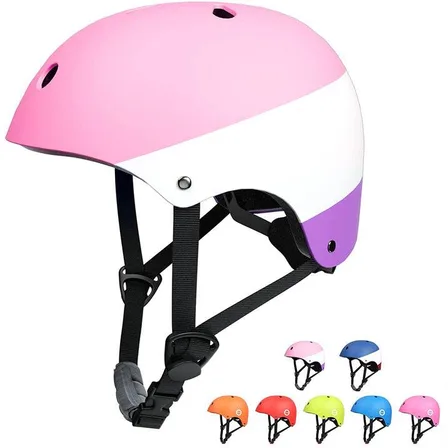
XJD Kids Bike Helmets
XJD Kids Bike Helmets makes helmet selection clearer: measure first, then choose…$59.99
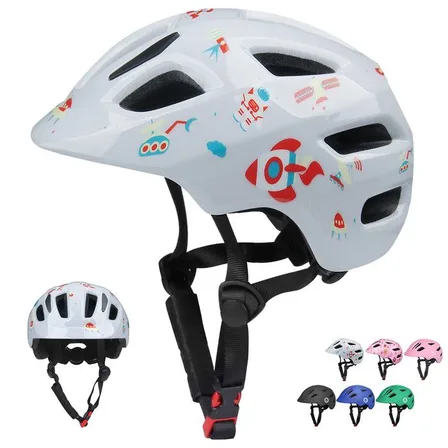
XJD White Astronaut Kids' Bike Helmet
4 reviews
XJD White Astronaut Kids' Bike Helmet makes helmet selection clearer: measu…$59.99
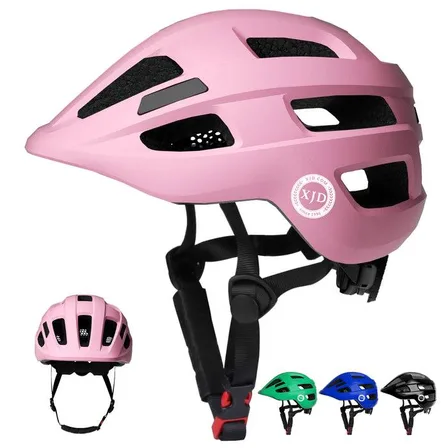
XJD Kids Bike Helmet
XJD Kids Bike Helmet makes helmet selection clearer: measure first, then choose …$59.99