

How to Fit and Adjust Bike Helmets Correctly
Even correctly sized Bike Helmets needs thoughtful adjustment. A level position and well-routed straps matter more than how quickly the buckle closes, so this tutorial gives you a repeatable fitting sequence for every ride.
Step 1: Confirm the correct size range
Measure the child's head and compare it with the chart for the exact Bike Helmets product. A size label alone is not enough because naming can differ between models. Start only when the measured head falls within the stated adjustment range.
Step 2: Place the helmet level
Center it on the head and keep the front low on the forehead rather than tipped back. Hair should not create an unstable base. Use the supplied fit system and pads only as directed by the manufacturer.
Step 3: Form the side straps
Position the side straps so they form a neat V around each ear. They should lie flat rather than twist. Make small changes on both sides so the helmet remains centered.
Step 4: Adjust the chin strap
Fasten the buckle and remove excess slack according to the instructions. The strap should be comfortably snug and should help keep the helmet in position when the child moves the head. Check that skin and hair are clear of the buckle before closing it.
Step 5: Perform a stability check
Ask the child to look up, down, left, and right. The helmet should remain level and should not slide into the eyes or expose much more forehead. If it moves excessively, repeat the adjustment; if a stable fit is impossible, try a different size or model.
Step 6: Repeat the check with riding eyewear
If the child normally wears glasses or approved riding eyewear, confirm comfort and clear vision with those items in place. Frames should not lift the helmet or force it backward. Make only adjustments permitted by the helmet instructions.
Practice with the exact configuration in mind
The setup sequence should follow the instructions supplied with the product. Examine XJD Kids Bike Helmet Purple, XJD Kids Bike Helmet Black, and XJD Kids Bike Helmet Pink, confirm the selected option, and browse the complete Bike Helmets selection if you still need to compare configurations. A feature shown on a related item should never be added to your setup assumptions.
Teach the child the routine
Use the same words before every ride: level, buckle, snug, check. A child who understands the routine can help notice a twisted strap or an unfastened buckle, although an adult should still confirm the final fit.
Know when to stop using it
Follow the manufacturer's replacement guidance. The American Academy of Pediatrics advises replacing a helmet after a serious crash because protective performance may be reduced without obvious visible damage. Do not use a helmet with missing parts, damaged straps, or an unknown impact history.
Correctly adjusting Bike Helmets takes only a few minutes once you know the sequence. A measured size, level position, flat straps, and a repeatable movement check help the helmet do its intended job while keeping the child comfortable.
Bikes for your next adventure
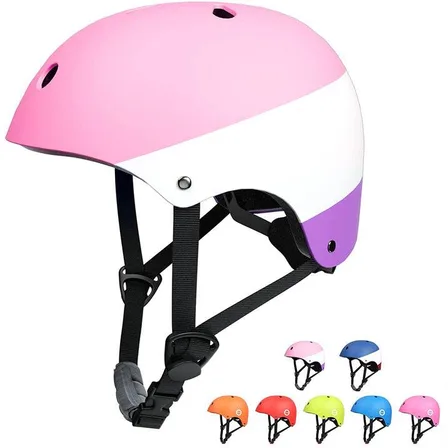
XJD Kids Bike Helmets
XJD Kids Bike Helmets makes helmet selection clearer: measure first, then choose…$59.99
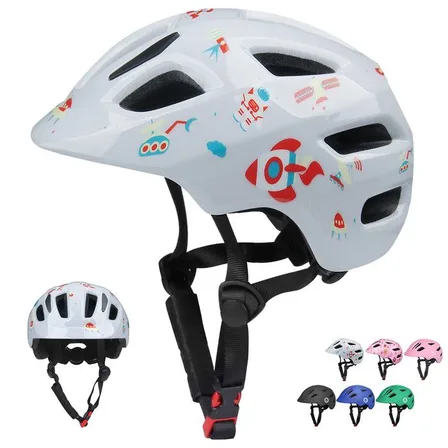
XJD White Astronaut Kids' Bike Helmet
4 reviews
XJD White Astronaut Kids' Bike Helmet makes helmet selection clearer: measu…$59.99
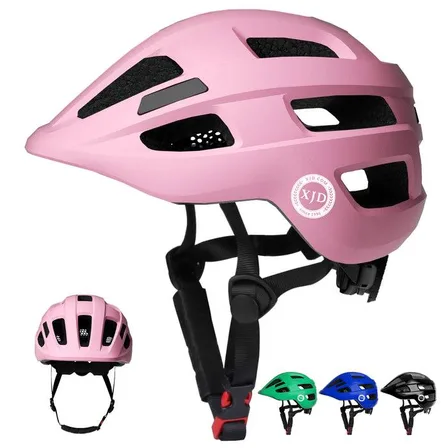
XJD Kids Bike Helmet
XJD Kids Bike Helmet makes helmet selection clearer: measure first, then choose …$59.99