

Kids Bike FAQ: 10 Questions Parents Ask
Questions about Kids Bike usually become urgent just before checkout: Which size fits? What needs assembly? How should a beginner practice? These direct answers help you make the next decision without filling missing product facts with assumptions.
Thirteen answers for a more confident decision
1. What size Kids Bike should I choose?
Measure standing height and inseam, then compare them with the product-specific guidance. Confirm reach, mounting, stopping, and control at the minimum usable adjustment instead of choosing by age alone.
2. Can I buy a larger size for a child to grow into?
Do not choose a setup that is difficult to control now. NHTSA advises using a bicycle that fits because an oversized bike is harder to control. Adjustment range is useful only when the current minimum setting already provides a suitable fit.
3. Is age enough to select the right option?
No. Age is a convenient first filter, but children of the same age can have different measurements, proportions, and experience. Use current body measurements and the exact product guidance.
4. Which safety checks matter before first use?
Follow the assembly instructions, confirm secure adjustments, inspect steering, wheels, tires, brakes, straps, and protective parts as applicable, and test controls in a traffic-free area. Stop if anything feels loose or unpredictable.
5. Does my child need a helmet for a short ride?
A properly fitted bicycle helmet should be used on every ride. Check local rules, choose equipment intended for the activity, and make the fit check part of the family's normal routine.
6. How much assembly should I expect?
Assembly varies by product and option. Read the exact listing and supplied instructions. “Partly assembled” still requires an adult to complete and verify all safety-related steps before use.
7. How often should fit be rechecked?
Look at fit before use and perform a more deliberate measurement after a growth spurt, adjustment, or change in riding comfort. Keep adjustable parts within their marked limits.
8. What maintenance can I do at home?
You can perform routine visual checks, cleaning, tire-pressure checks, and approved adjustments described in the instructions. Safety-critical repairs that you cannot confidently assess should be handled by a qualified professional.
9. How should I compare two similar products?
Compare the exact variants for fit, controls, included parts, maintenance, storage, and normal riding environment. Do not let color or a single feature replace the complete comparison.
10. How can I help a nervous beginner?
Use a flat, open practice area and teach one skill at a time. Begin with a comfortable position and controlled stopping, keep sessions short, and praise specific progress rather than speed or distance.
Where should you verify product-specific answers?
Use XJD Girls Bike Peach, XJD Kids Bike Pink, and XJD Girls Bike Pink when a question depends on size, configuration, assembly, or included parts. You can also browse the complete Kids Bike selection. If the page does not answer a safety-critical or policy question, contact customer service instead of guessing.
11. My child's height falls between two sizes — should I choose the larger or the smaller bike?
For a beginner or a cautious rider, choose the smaller size: both feet should reach the ground, which builds confidence. For a skilled or confident rider, choose the larger size — it lasts longer and avoids frequent bike changes.
12. Why is the 18-inch size less common?
The 18-inch wheel is a transitional size between 16-inch and 20-inch. Some brands offer it, but it is not mainstream. If your child's height is between 43 and 48 inches, it is usually better to compare the 16-inch and 20-inch options directly, because 18-inch model choices and second-hand availability are both relatively limited.
13. What size rider is a 26-inch bike for?
Once a child is taller than 60 inches (about 153 cm), a 26-inch bike becomes an option. This size is usually classified as an entry-level adult size, and many taller teenagers also choose 26-inch as a transition before moving up to 27.5-inch or 29-inch wheels.
Make the final check personal
Before ordering, write down the rider's measurements, current skill, normal route, storage needs, and the two most important controls or features. Then compare that list with the exact product option.
The best answer to most Kids Bike questions is specific: measure the rider, read the verified listing, and test control in a supervised setting. That gives you more confidence than a universal age chart or a feature count.
Bikes for your next adventure
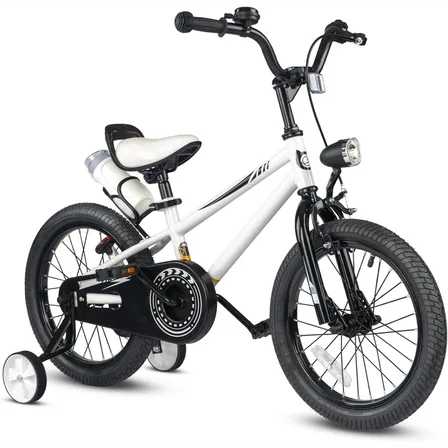
XJD Boys & Grils Bike white
XJD Boys & Grils Bike white brings the recorded fit, riding and configuratio…$169
$199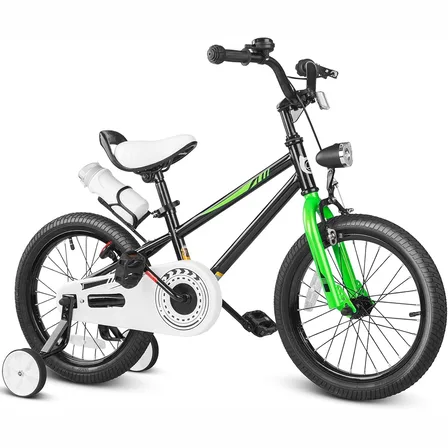
XJD Boys Bike Black
XJD Boys Bike Black brings the recorded fit, riding and configuration details to…$169
$199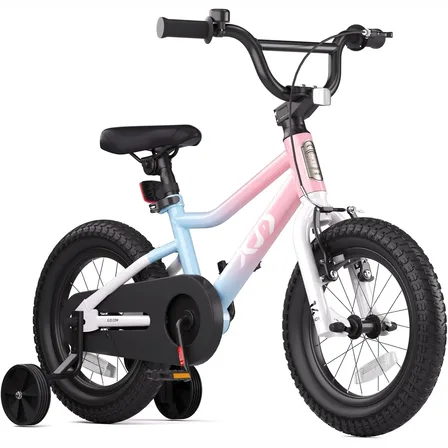
XJD Kids BMX Bike with Training Wheels – Pink Blue
8 reviews
XJD Kids BMX Bike with Training Wheels – Pink Blue brings the recorded fit, ridi…$99.99
$119.99