

Kids Bike Materials and Design Explained for Parents
Material labels around Kids Bike can sound technical without explaining the benefit to your family. Looking at the complete design helps you understand weight, durability, comfort, maintenance, and the tradeoffs behind familiar terms.
Read materials as a system
A material name does not tell the whole story of Kids Bike. Geometry, thickness, joints, hardware, adjustment mechanisms, and quality control all affect how a product feels and lasts. You should compare the complete design and the verified specification for the exact option.
Frame and structural materials
Steel is widely used because it can provide strength and a familiar ride feel, though weight and corrosion protection vary by design. Aluminum alloys can reduce weight and resist rust, while tube shaping and joint design still matter. Plastics and composites can be appropriate for guards, shells, accessories, and selected structural parts when engineered for that purpose.
Why weight needs context
A lighter product can be easier for a child to handle and for a parent to carry. However, a single total-weight number does not describe balance, steering, or durability. Consider where the mass sits, whether the rider can recover from a lean, and whether your family must lift the product into a vehicle or upstairs.
Tires and contact surfaces
Pneumatic tires can provide adjustable pressure and a familiar rolling feel, but they require pressure and puncture checks. Solid or foam-based tires can reduce inflation maintenance, while ride feel and grip depend on the compound and design. Grips, pedals, saddles, and footrests should also support stable contact without creating awkward posture.
Brakes and moving components
Brake type matters less than correct sizing, setup, and predictable operation for the rider. Cable systems, calipers, coaster brakes, and other designs have different adjustment needs. Bearings, chains, and steering parts should move smoothly without looseness; maintenance instructions tell you which points require service.
Protective materials and helmets
Helmet shells, energy-managing liners, retention systems, and straps work together. Do not judge protection by shell hardness or thickness alone. For U.S. bicycle use, check the required CPSC label, follow the fit instructions, and replace a helmet after a serious impact or as directed by the manufacturer.
Coatings, finishes, and everyday care
Paint, plating, and other finishes protect surfaces and create the visible style, but scratches and moisture still deserve attention. Clean gently, dry the product, and store it away from harsh conditions. Avoid making structural or finish repairs that conflict with the instructions.
Connect technical language to real products
Open XJD Girls Bike Peach, XJD Kids Bike Pink, and XJD Girls Bike Pink and separate confirmed materials and components from general category expectations. As you browse the complete Kids Bike selection, ask how each verified detail changes handling, care, storage, or comfort. If the listing does not state a material, leave it unknown rather than borrowing one from a similar model.
Questions that reveal more than a material label
- Does the current size let the rider control the product?
- Which parts are adjustable, and what are their marked limits?
- What routine maintenance does this configuration require?
- Are wear parts and instructions available?
- Can your family store and transport it without damage?
When evaluating Kids Bike, material is one chapter rather than the conclusion. Fit, complete construction, verified specifications, care, and the intended riding environment help you turn technical terms into a useful family decision.
Bikes for your next adventure
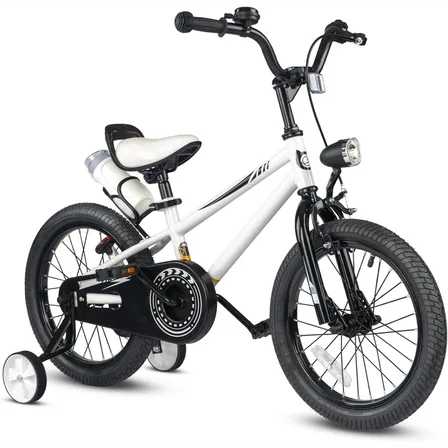
XJD Boys & Grils Bike white
XJD Boys & Grils Bike white brings the recorded fit, riding and configuratio…$169
$199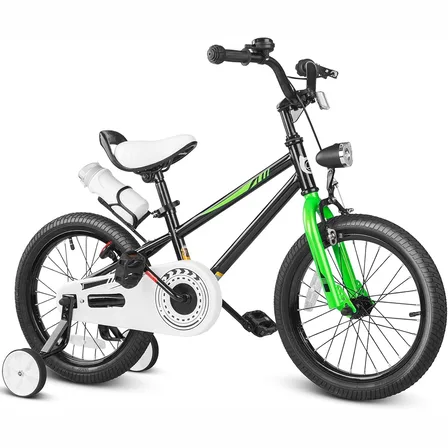
XJD Boys Bike Black
XJD Boys Bike Black brings the recorded fit, riding and configuration details to…$169
$199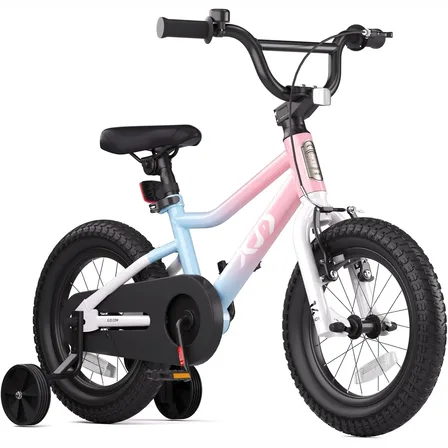
XJD Kids BMX Bike with Training Wheels – Pink Blue
8 reviews
XJD Kids BMX Bike with Training Wheels – Pink Blue brings the recorded fit, ridi…$99.99
$119.99