

BMX Bike Without Pegs: What Does It Mean?
A BMX bike without pegs is simply a BMX-style bicycle sold without the cylindrical axle-mounted platforms used for some grinds, stalls or flatland movements. Pegs are not required for ordinary pedaling, turning or braking. Their absence does not tell you whether the complete bike fits the rider or whether it is approved for a particular trick or riding environment.
Understand what pegs change
Pegs extend from one or more wheel axles and create an additional contact or standing surface for specific BMX techniques. They also add hardware, width and load at the axle. A child should never carry a passenger on pegs, and the presence of pegs is not permission to attempt skills without instruction and an appropriate setting.
Choose from riding goals
A beginner using a BMX-style bike for neighborhood riding may not need pegs. A rider progressing toward a discipline that uses them should learn with qualified guidance and confirm that the bicycle, wheel and axle system support the intended equipment. Style alone should not drive the modification.
Compatibility is not universal
Axle diameter, length, thread, hub design, dropout clearance and retaining hardware all matter. A peg that physically slides over part of an axle may still leave unsafe thread engagement or interfere with another component. Use only combinations approved for the exact bicycle.
Recheck the wheel after changes
Wheel retention is safety-critical. After approved installation, torque and washer order must follow the instructions, the wheel must sit correctly and the brakes must work without rubbing. A professional should perform or verify the work when any detail is unclear.
Fit and brakes remain the first checks
Before discussing tricks, confirm the rider fits the 20-inch frame and can operate both hand brakes from a secure grip. Under the XJD standard, 20 inches is a starting range around ages 7–12 and heights of 48–60 inches, not a substitute for a control test.
How current product examples clarify the choice
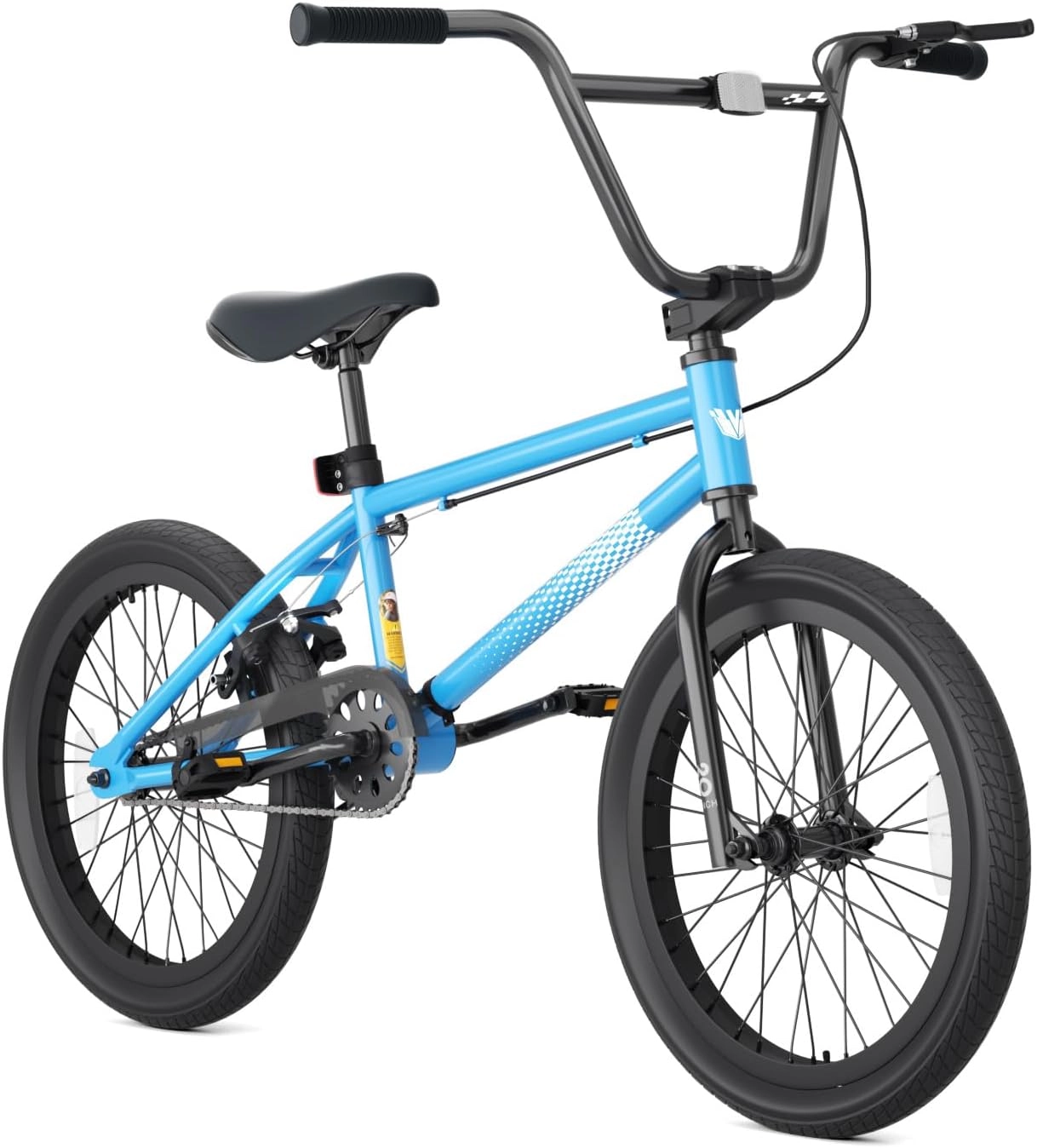
The blue XJD 20-inch freestyle BMX is explicitly listed as the basic model without pegs. It includes wide 20x2.4-inch tires and front and rear U-brakes, making it a clear current example of a functional BMX-style setup in which pegs are optional equipment rather than a missing operating part.
Practical checklist
- Define the rider's actual BMX use.
- Never use pegs as passenger footrests.
- Confirm axle and hub compatibility.
- Verify wheel retention and brakes after approved work.
Frequently asked questions
Can a BMX bike be ridden without pegs?
Yes. Pegs support particular techniques; they are not required for basic bicycle operation.
Can any BMX pegs be added later?
No. Compatibility and approved use depend on the exact axle, hub, frame and hardware.
Before making the final choice, revisit the exact route or driving area at the time it will normally be used. A setup that works during a quiet test may need more room, visibility or adult support when other people and everyday obstacles are present.
Bottom line
Use the answer to BMX bike without pegs as a decision process, not a shortcut. Confirm the live product data and manual, match the rider to the controls and setting, and favor repeatable control over a larger size or higher performance label.
Bikes for your next adventure
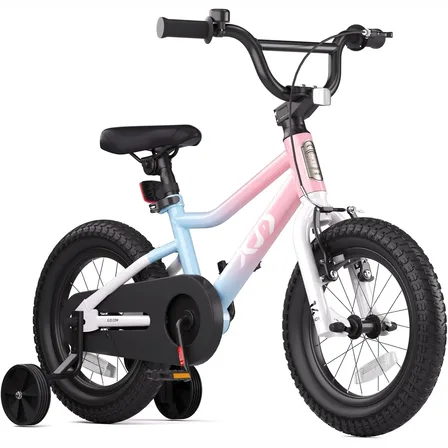
XJD Kids BMX Bike with Training Wheels – Pink Blue
8 reviews
XJD Kids BMX Bike with Training Wheels – Pink Blue brings the recorded fit, ridi…$99.99
$119.99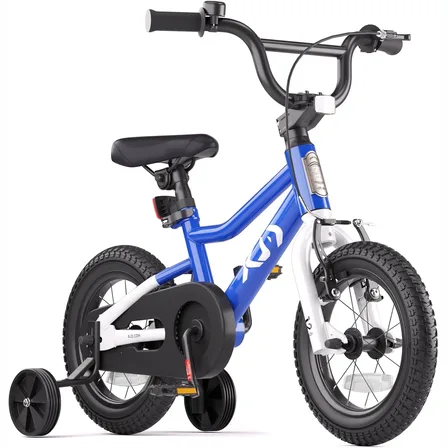
XJD Kids BMX Bike with Training Wheels – Blue
8 reviews
XJD Kids BMX Bike with Training Wheels – Blue brings the recorded fit, riding an…$99.99
$119.99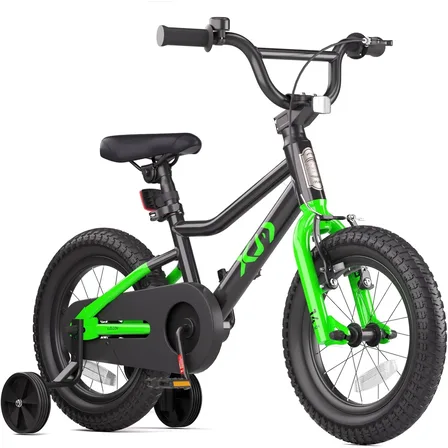
XJD Kids BMX Bike with Training Wheels – Black
XJD Kids BMX Bike with Training Wheels – Black brings the recorded fit, riding a…$99.99
$119.99