

What Is a Coaster Brake Reaction Arm?
A coaster brake reaction arm is the metal arm extending from a rear coaster-brake hub to an attachment point on the bicycle frame. When a rider back-pedals, braking forces develop inside the hub. The arm prevents part of that mechanism from rotating and must remain attached exactly as the bicycle and hub instructions specify.
Locate the arm safely
Look on the non-drive side of the rear hub while the bicycle is empty and stationary. The reaction arm normally reaches forward to a frame stay and uses a clamp or designed mount. Do not confuse it with a chain guard bracket, training-wheel arm or decorative support.
Understand why attachment matters
The coaster hub cannot be judged only by whether the pedals turn backward. A loose, bent or missing arm changes how braking force is transferred to the frame. Stop using the bicycle immediately if the arm shifts, contacts spokes or lacks specified hardware.
Preserve the washer and clamp order
Rear-wheel service may disturb axle nuts, anti-rotation washers, chain position, training-wheel brackets and the reaction-arm clamp. Photograph both sides before removal and use the exact exploded diagram. Do not substitute a random clamp or omit a washer to expose more axle thread.
Inspect after wheel or tire work
Confirm the arm is straight, fully retained and clear of the wheel through a complete rotation. Check that the rear wheel is centered and the chain moves without binding. Any damaged frame attachment or uncertain torque requires qualified service.
Test the complete brake path
With the bike supported, turn the pedals and apply gentle back-pedal action while watching for secure engagement. An adult then performs slow stops in a closed area. Internal hub disassembly is specialist work and should not be improvised from a general article.
How current product examples clarify the choice
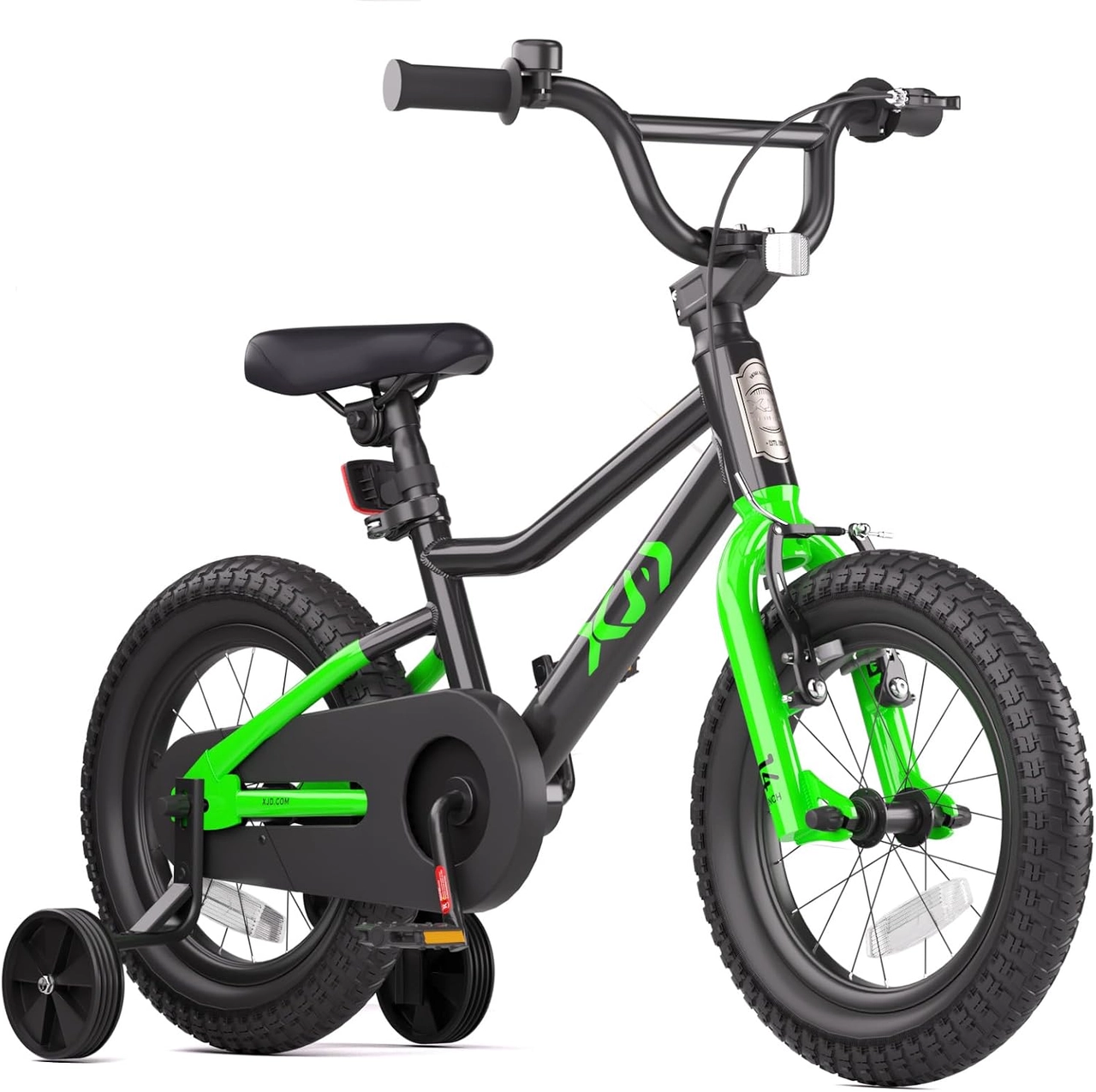
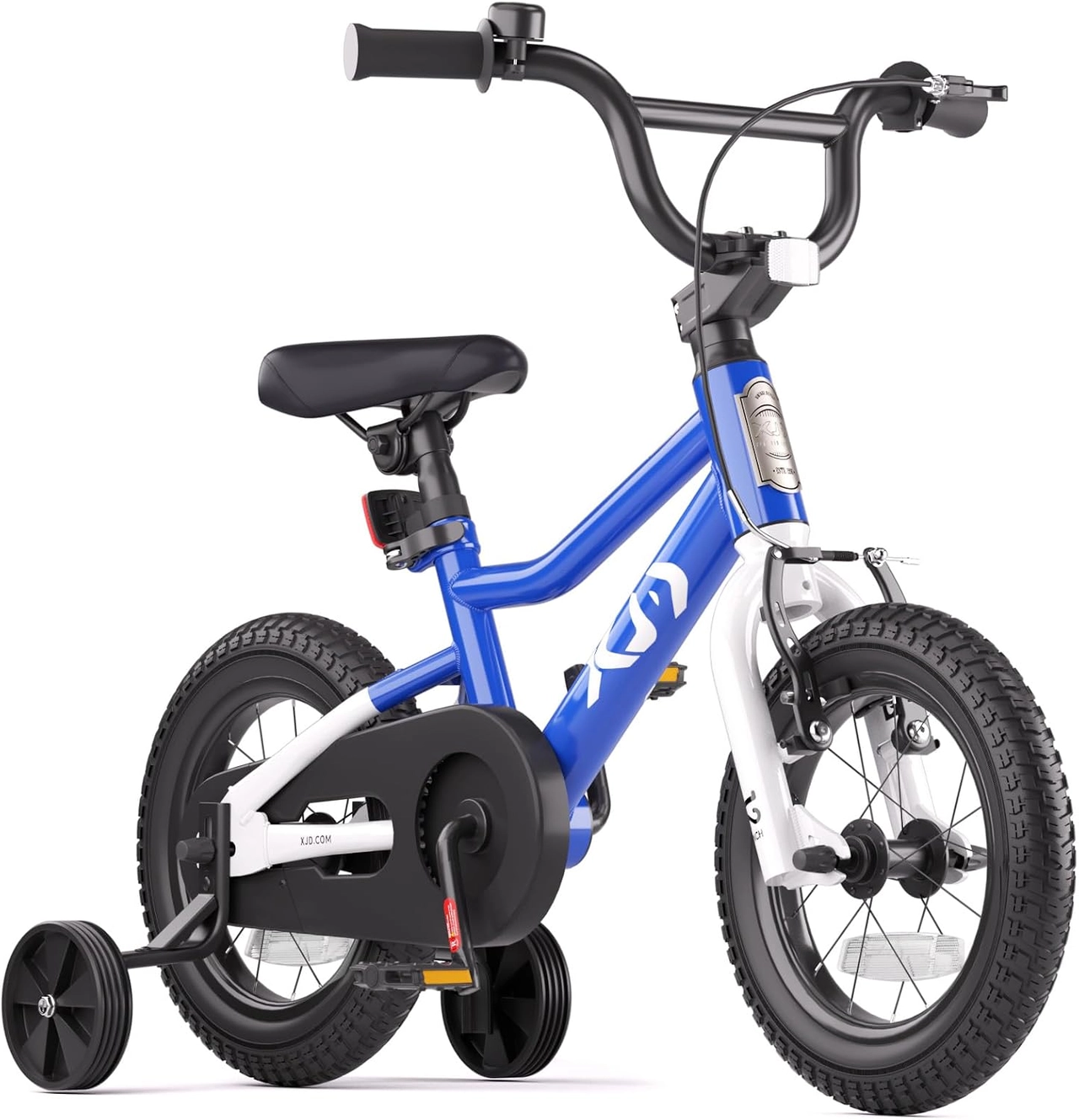
The XJD Black Kids BMX Bike with Training Wheels and XJD Blue Kids BMX Bike with Training Wheels both list rear coaster braking. Their training-wheel hardware can make the rear axle area visually crowded, which is why every bracket and brake part must be identified before service.
Practical checklist
- Find the non-drive-side arm.
- Stop for looseness or spoke contact.
- Preserve clamp and washer order.
- Retest after rear-wheel work.
Frequently asked questions
Is the long arm part of the training wheels?
No. On a coaster-brake hub it is a braking-system part, although nearby hardware can make identification confusing.
Can the bike be ridden if the arm clamp is loose?
No. Keep the bicycle out of use until the correct attachment is restored and verified.
Before making the final choice, revisit the exact route or driving area at the time it will normally be used. A setup that works during a quiet test may need more room, visibility or adult support when other people and everyday obstacles are present.
Bottom line
Use the answer to coaster brake reaction arm as a decision process, not a shortcut. Confirm the live product data and manual, match the rider to the controls and setting, and favor repeatable control over a larger size or higher performance label.
Bikes for your next adventure
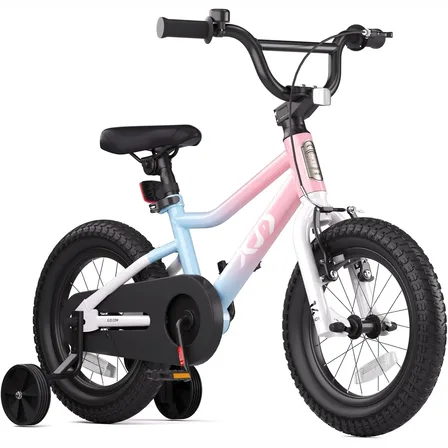
XJD Kids BMX Bike with Training Wheels – Pink Blue
8 reviews
XJD Kids BMX Bike with Training Wheels – Pink Blue brings the recorded fit, ridi…$99.99
$119.99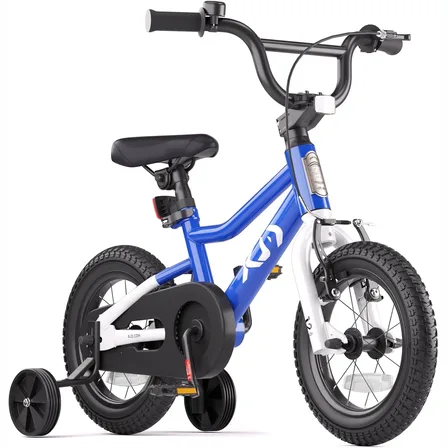
XJD Kids BMX Bike with Training Wheels – Blue
8 reviews
XJD Kids BMX Bike with Training Wheels – Blue brings the recorded fit, riding an…$99.99
$119.99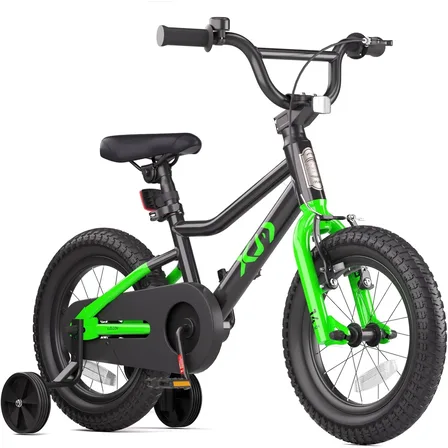
XJD Kids BMX Bike with Training Wheels – Black
XJD Kids BMX Bike with Training Wheels – Black brings the recorded fit, riding a…$99.99
$119.99