

How to Check Bike Tire Clearance
Learning how to check bike tire clearance is useful after tire replacement, wheel service or a change in width. A tire can match the rim diameter yet still rub the frame, fork or brakes. There is no universal clearance number for every kids bike or BMX. Use the exact bicycle and tire-maker limits, then inspect the complete wheel through its full rotation.
Confirm size compatibility first
Copy the full sidewall and ISO or ETRTO code. Match bead-seat diameter exactly and use a tire width approved for the rim and bicycle. Clearance cannot make an incompatible bead safe, and forcing a nominal 20-inch tire onto the wrong rim is not an acceptable test.
Seat and inflate according to instructions
Install the tube and tire using the approved method, checking that the bead line is even around both sides. Inflate gradually with a gauge and stay within the exact limits. Stop for a bulge, exposed tube, damaged bead or a tire that will not seat evenly.
Inspect every close point
With the bicycle supported safely, look beside and above the tire at the fork crown, frame stays, brake arms, fenders and guards. Rotate the wheel slowly and check both sides. Clearance should remain within the manufacturer's requirement throughout the rotation, not just at one convenient spot.
Check wheel alignment and movement
A wheel that sits off-center, wobbles or has loose bearings can create rubbing even with the correct tire. Apply each brake and release it to confirm parts return correctly. Do not bend a frame, spread a fork or remove a guard to make a larger tire fit.
Repeat under real service conditions
After a qualified installation, an adult performs a low-speed test and reinspects for fresh rub marks or debris collection. Mud and tire flex can reduce usable space, so follow the bicycle's approved surface and tire guidance rather than assuming static clearance covers every ride.
How current product examples clarify the choice
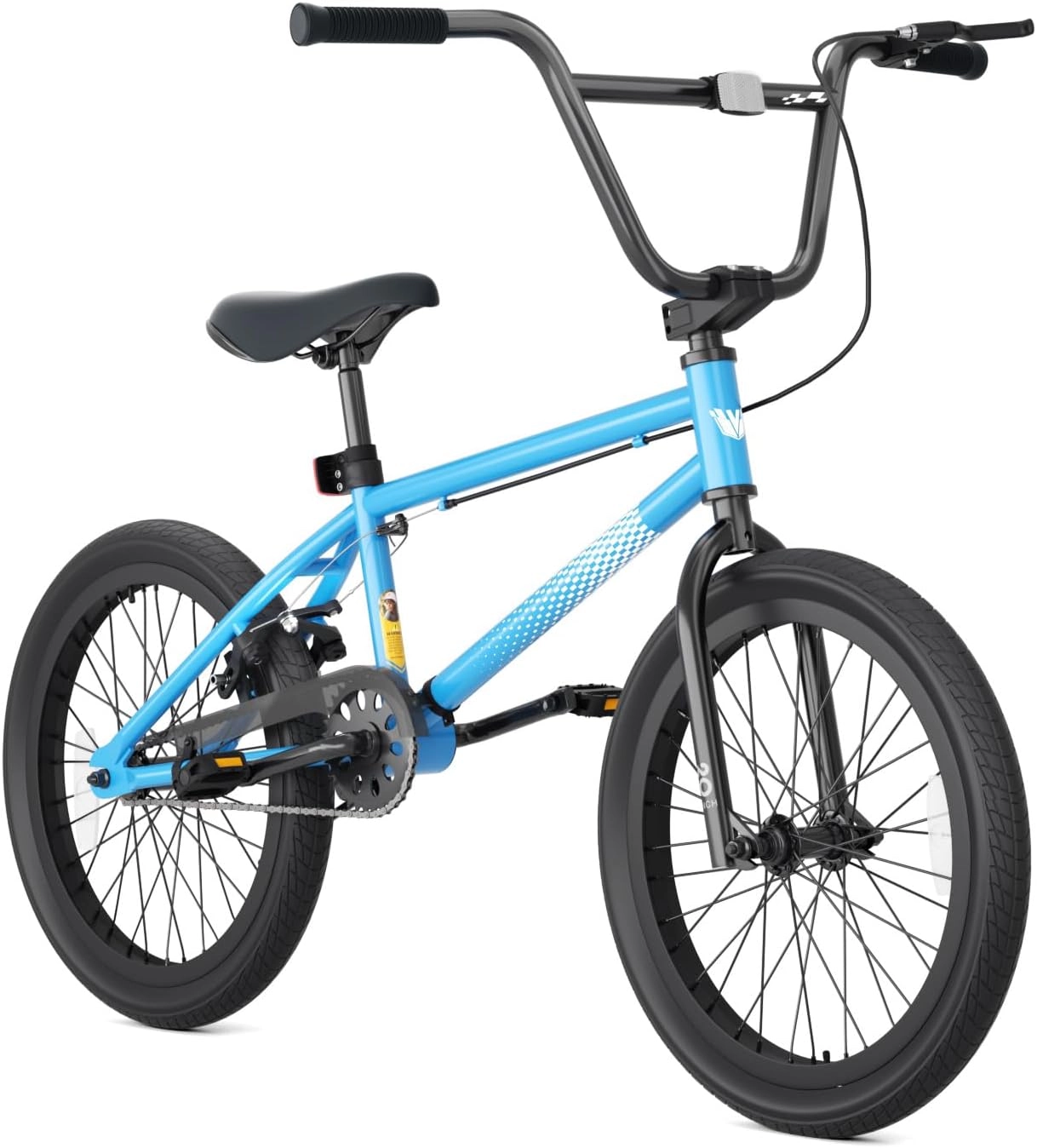
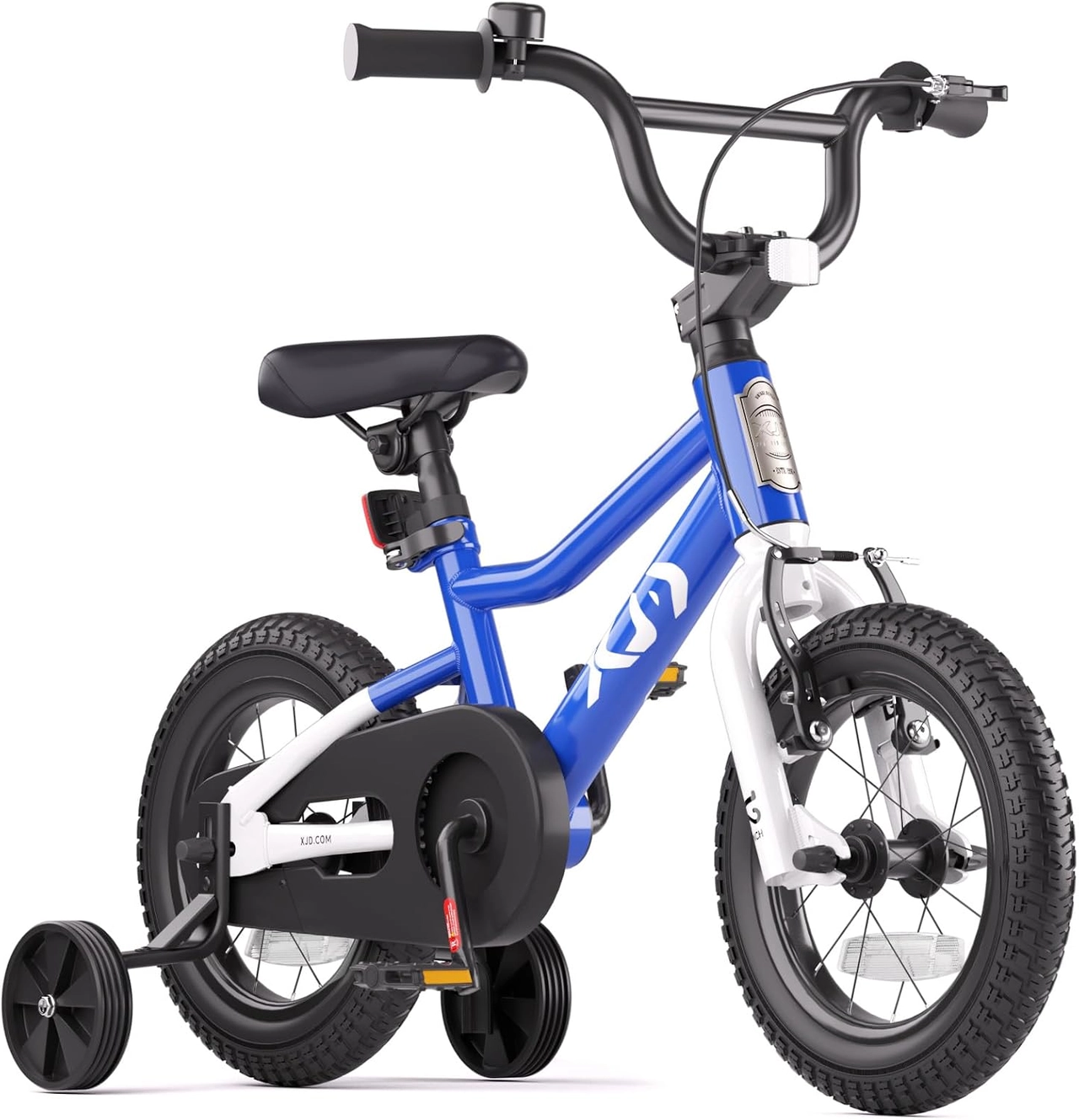
The XJD 20-inch freestyle BMX lists wide 20x2.4-inch tires, while the smaller blue training-wheel model spans 12-, 14- and 16-inch options. Their images show different tire proportions, but neither is a template for an unapproved width change on another bicycle.
Practical checklist
- Match the full tire and rim code.
- Inspect frame, fork, brakes and guards.
- Rotate the wheel and check both sides.
- Stop for rubbing, wobble or bead problems.
Frequently asked questions
How many millimeters of clearance does every bike need?
There is no single universal value; use the exact bicycle and tire requirements.
Can I remove a brake or guard to fit a wider tire?
No. Keep the bicycle in an approved configuration and choose a compatible tire.
Before making the final choice, revisit the exact route or driving area at the time it will normally be used. A setup that works during a quiet test may need more room, visibility or adult support when other people and everyday obstacles are present.
Bottom line
Use the answer to how to check bike tire clearance as a decision process, not a shortcut. Confirm the live product data and manual, match the rider to the controls and setting, and favor repeatable control over a larger size or higher performance label.
Bikes for your next adventure
XJD Kids BMX Bike with Training Wheels – Pink Blue
8 reviews
XJD Kids BMX Bike with Training Wheels – Pink Blue brings the recorded fit, ridi…$99.99
$119.99
XJD Kids BMX Bike with Training Wheels – Blue
8 reviews
XJD Kids BMX Bike with Training Wheels – Blue brings the recorded fit, riding an…$99.99
$119.99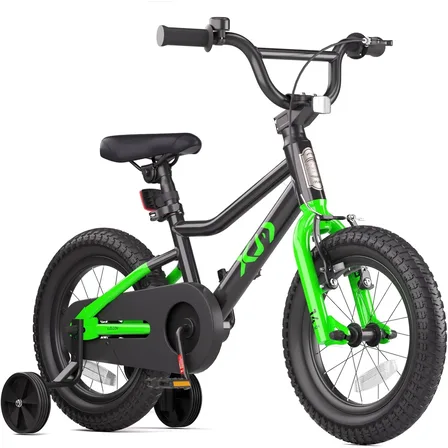
XJD Kids BMX Bike with Training Wheels – Black
XJD Kids BMX Bike with Training Wheels – Black brings the recorded fit, riding a…$99.99
$119.99