

Kids Bike Brake Barrel Adjuster: Identify Cable Adjustment and Lever Reach
A kids bike brake barrel adjuster is part of some cable-operated brake systems. It is easy to confuse its job with bringing the lever closer to a small hand. Before turning anything, identify the brake and the actual control adjustment instructions. The rider’s reach, cable arrangement, brake-pad position and mechanical condition are related, but they are not all corrected by the same threaded fitting.
Locate the kids bike brake barrel adjuster on the actual system
A barrel adjuster may be found where cable housing meets a lever or another part of the brake system. Its presence and location depend on the component. Identify it through the actual instructions rather than rotating every knurled part. Inspect with the bicycle stationary and the child off it. If the housing is damaged, the cable is frayed or a fitting has pulled out of position, seek service before considering routine adjustment.
Separate cable adjustment from lever reach
Cable adjustment changes the relationship within the brake’s cable-operated mechanism; a reach adjustment, where provided, changes the lever’s starting relationship to the grip. One cannot be substituted for the other. Moving a lever closer also requires the completed brake to retain its specified travel and function. Have both fit and mechanical setup assessed when a child struggles, rather than using a barrel as a way to make the lever feel closer.
Do not use adjustment to conceal a different fault
Excessive lever travel may accompany wear, incorrectly seated housing or other assembly problems. Rubbing may involve pad position, wheel condition or another cause. A barrel setting cannot confirm that every underlying part is sound. Do not keep turning an adjuster to its end or leave insufficient thread engagement to obtain a temporary feel. Follow the component’s permitted adjustment range and locking instructions, or let a technician handle the setup.
Understand why the two Blue BMX layouts matter
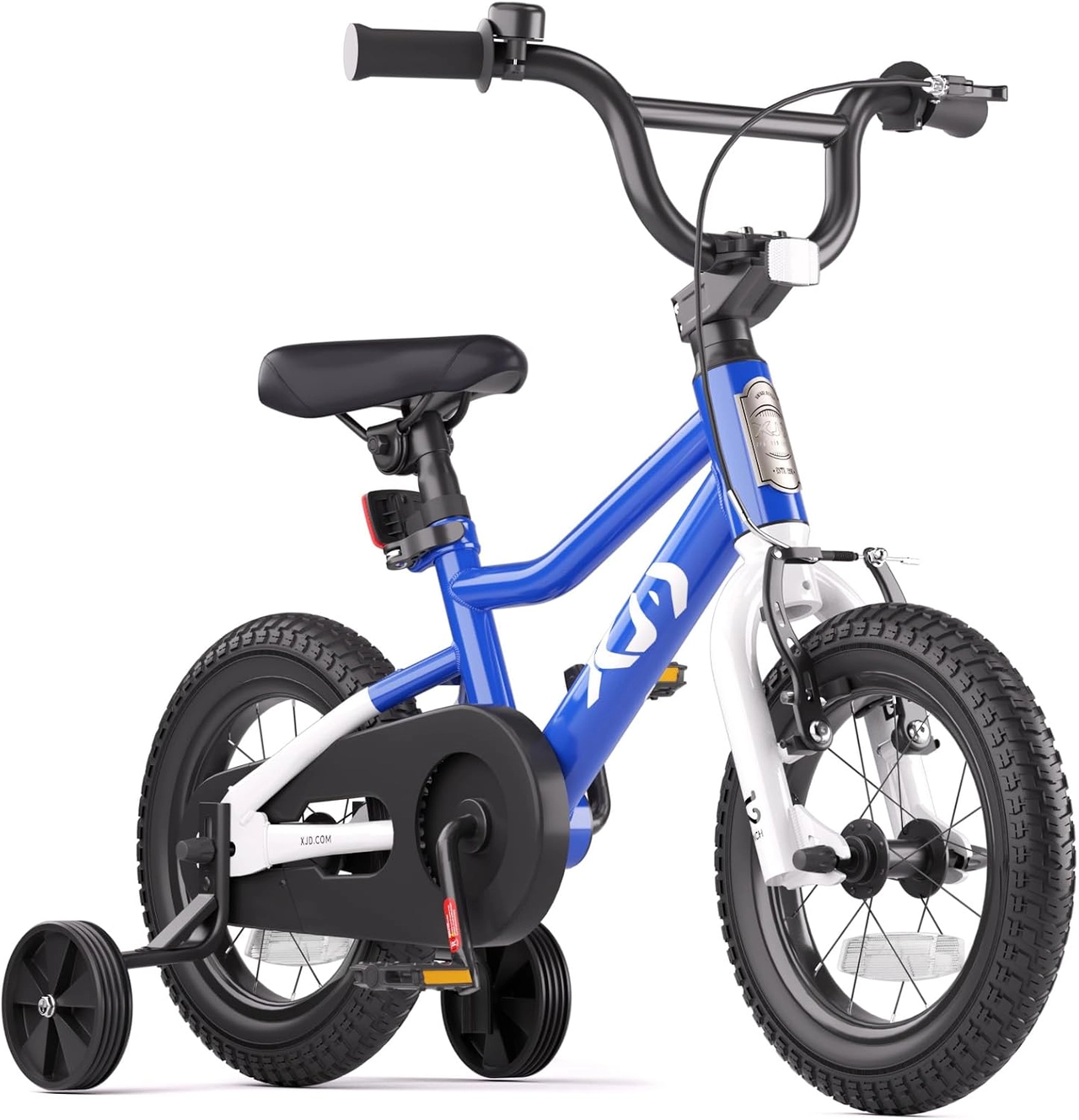
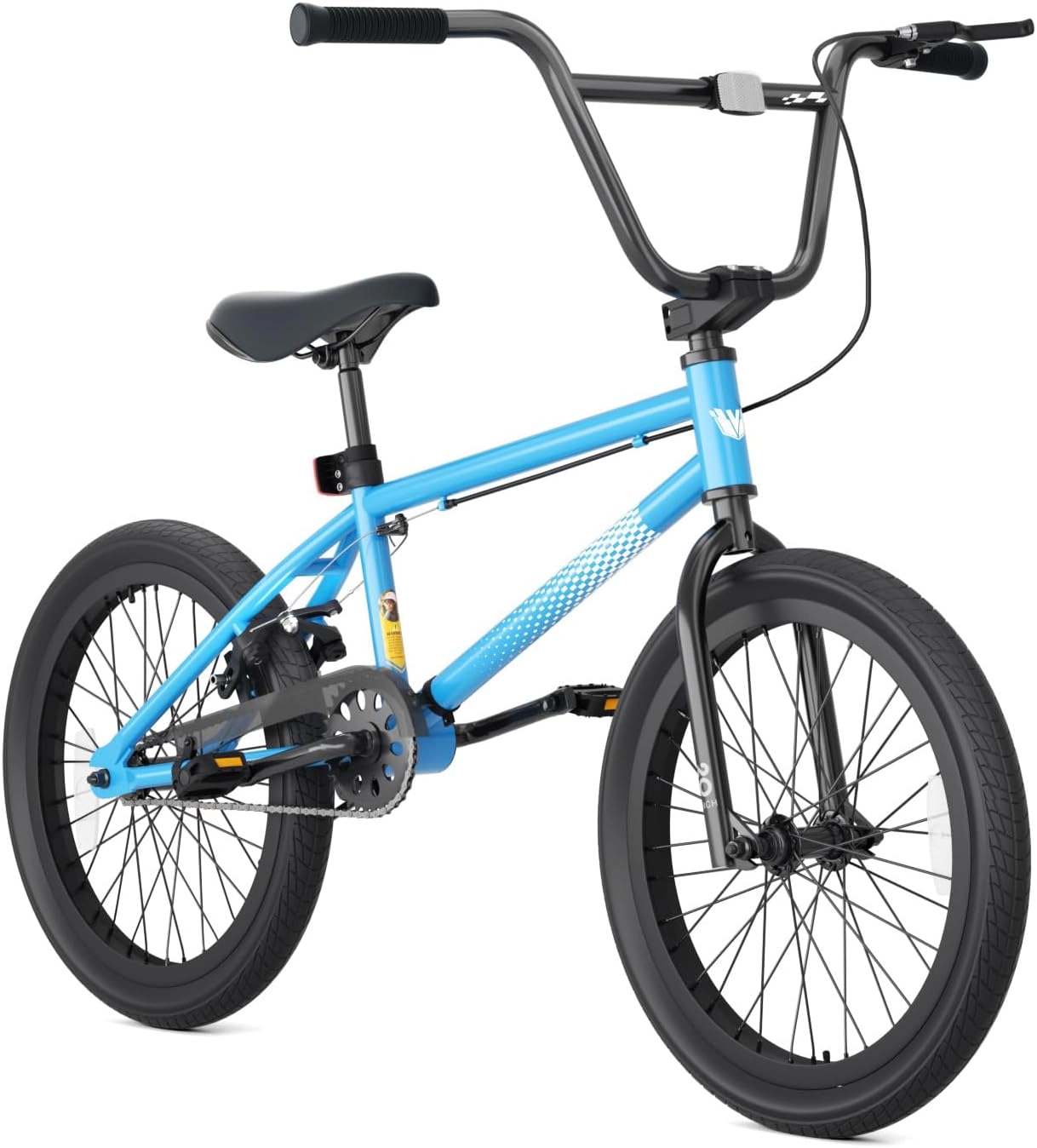
The smaller Blue BMX-style learner lists a front caliper brake and rear coaster brake. The Blue 20-inch freestyle bicycle lists hand-operated U-brakes. A rear coaster mechanism does not acquire a cable-barrel adjustment because a hand lever is visible elsewhere on the bicycle. Identify which wheel and brake the control actually operates. The shared brand and BMX label do not supply one common adjustment sequence or torque value.
Ask for a complete result rather than a turn count
Describe the actual symptom: difficult reach, a lever nearing the grip, delayed braking, sticking or rubbing after release. Ask the technician to check the cable, housing, pad contact, control travel and rider access together. After approved work, follow the specified stationary and walking checks before supervised practice. Do not copy a number of turns from another bicycle; the useful result is the correctly functioning brake on this exact assembly.
Configuration comparison
| Control | Purpose | Check |
|---|---|---|
| Cable barrel | Cable-system adjustment | Actual range and instructions |
| Lever reach | Hand-to-lever starting distance | Reach plus usable brake travel |
| Rear coaster | Backward-pedal braking | Separate mechanism; no cable barrel inferred |
Model details relevant to this task
The two current catalog examples explain why brake identification comes before adjustment. No universal barrel thread length, turn count or cable-tension setting is established. This article is an identification guide and a way to make a useful service request; the actual component instructions govern any adjustment. The linked model details are available for XJD Kids BMX Bike with Training Wheels – Blue, XJD 20-Inch Freestyle BMX Bike without Pegs – Blue.
Quick checklist
- Identify the affected brake.
- Distinguish cable setting from reach.
- Inspect cable and housing condition.
- Respect the adjustment range.
- Check complete brake function after work.
Common questions
Does every child’s brake lever have a barrel adjuster?
No. Identify the actual component and its instructions rather than assuming a threaded adjustment is present.
Can a barrel adjuster fix a frayed cable?
No. Damaged cable equipment needs correct inspection and repair before use.
Should I copy the same turns on both brakes?
No. Each fitted brake must be set and verified according to its own condition and instructions.
Related collections
The BMX control configurations and training-wheel brake layouts provide further model details. Check the exact selected configuration when planning fit, handling and care.
Before the next outing
Treat a kids bike brake barrel adjuster as one specific control in a known system. Establish its role, separate fit from mechanical faults and verify the complete brake after any permitted change.