Kids Bike Pedals Hard to Turn: A Parent Checklist
When kids bike pedals hard to turn is the complaint, first decide whether the child is struggling with fit or whether the drivetrain actually binds. A high gear, low tire pressure, rubbing brake, tight chain, damaged guard, rough pedal, or bearing fault can feel similar. Do not encourage harder pedaling until an adult locates the resistance safely.
Separate rider effort from mechanical drag
Ask when the effort appears: starting, climbing, every pedal stroke, or one point per revolution. On level ground, walk the bicycle and check that both wheels roll normally. With the bike supported only as approved, rotate the crank slowly without touching the chain. Compare constant resistance with a repeating tight spot and record any scrape or click.
Check fit and selected gear
Confirm the saddle height and wheel size allow comfortable leg movement and secure stopping. On a geared bike, choose an easier gear before the slope, using light pedal pressure. Do not force a shifter that is not responding. A small rider on a too-large bicycle may describe poor leverage as a pedal fault even when the drivetrain turns freely.
Inspect tires and brakes
Measure both tire pressures within the sidewall ranges and look for rubbing at the frame or fender. Spin each wheel to find brake contact or hub roughness. Keep lubricant away from pads and rims. Do not loosen axle hardware or brake cables by guesswork. A wheel that binds, wobbles, or has axle play requires separate repair.
Follow the drivetrain through a full cycle
Observe chain, chainring, rear sprocket, guard clearance, crank arms, and pedals as the system rotates. A tight chain, stiff link, bent guard, damaged tooth, or rough pedal bearing can create a hard spot. Keep fingers clear and stop for cracking or visible play. Chain tension and rear-wheel position must be adjusted together.
Retest under controlled load
After approved service, rotate several full cycles, confirm both wheels and brakes, and let an adult perform a light-load level-ground test. The child then practices starts and stops in the easiest appropriate setup. Returning resistance, heat, grinding, chain jump, or a pedal that wobbles means the source is unresolved and the bicycle stays parked.
How current product examples clarify the choice
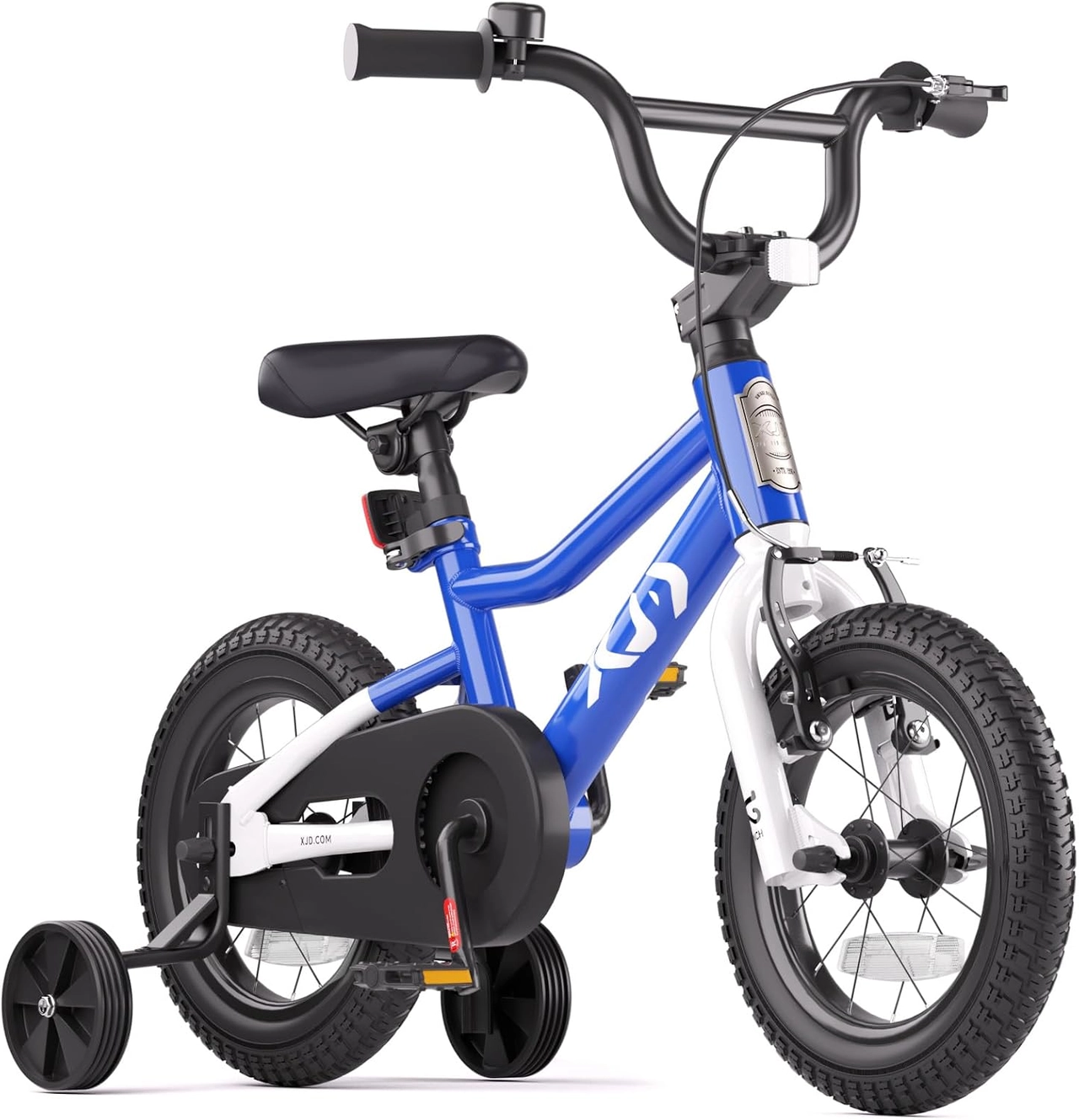
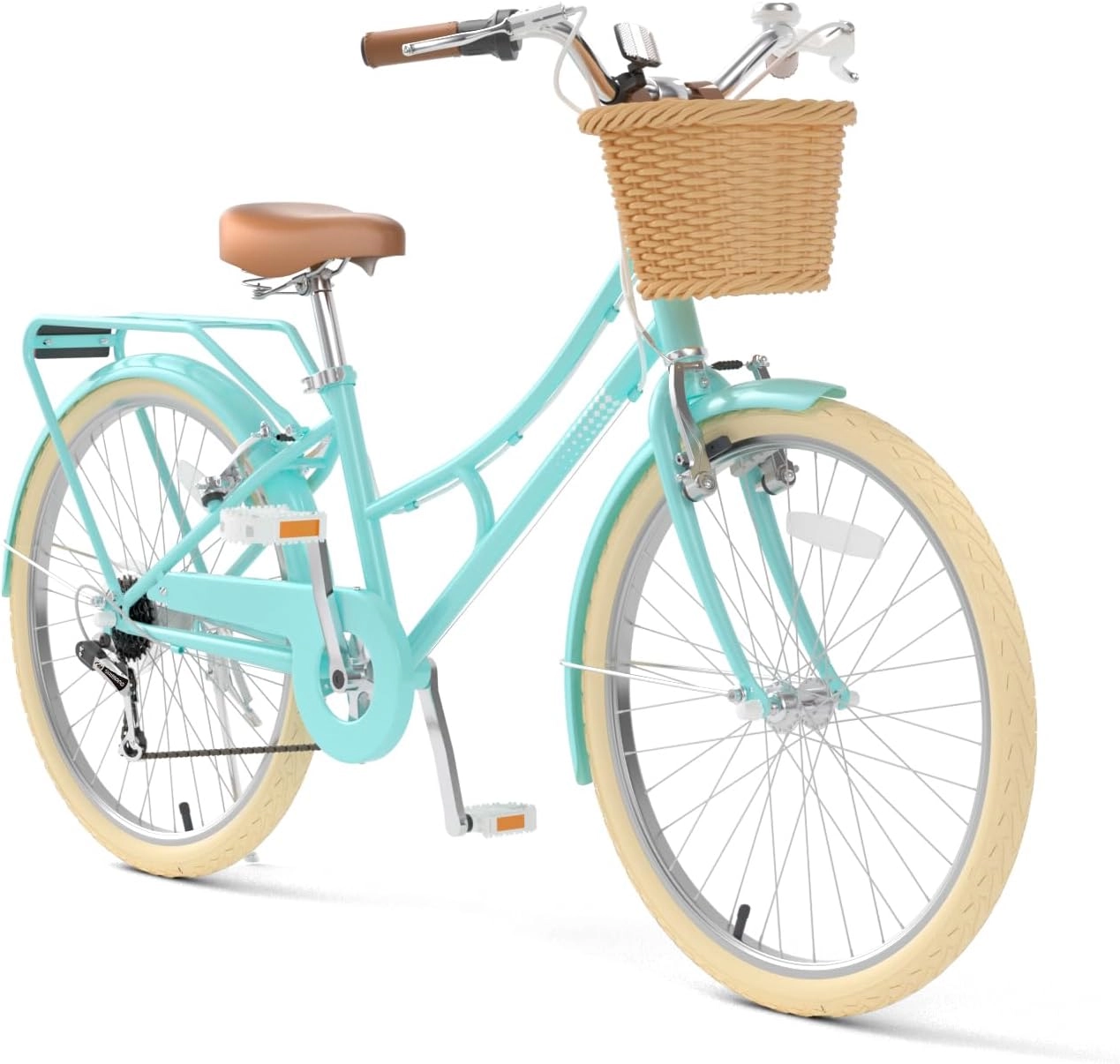
The XJD Blue Kids BMX Bike with Training Wheels has a guarded single-speed drivetrain, while the XJD Mint Green Beach Cruiser uses multiple gears. Those examples show why pedal effort needs context: the first emphasizes chain, guard, and fit checks, while the cruiser adds gear selection and derailleur condition to the diagnosis.
Related reading on this site
For the next step, compare this check with our pedal guidance and drivetrain guidance. These pages provide nearby fit, component, or maintenance context without replacing the exact product manual.
Practical checklist
- Describe when resistance occurs.
- Check fit and gear before repair.
- Rule out tires and brakes.
- Inspect a complete crank cycle.
Frequently asked questions
Do new kids bike pedals feel stiff?
Some seals create light resistance, but binding, roughness, or difficult child control should be inspected rather than assumed normal.
Can a tight bike chain make pedaling hard?
Yes, but brake rub, bearings, fit, gearing, and other drivetrain faults can produce the same symptom.
Before making the final choice, revisit the exact route or driving area at the time it will normally be used. A setup that works during a quiet test may need more room, visibility or adult support when other people and everyday obstacles are present.
Bottom line
Use the answer to kids bike pedals hard to turn as a decision process, not a shortcut. Confirm the live product data and manual, match the rider to the controls and setting, and favor repeatable control over a larger size or higher performance label.
Recommended products
-
Save 16%
XJD Kids BMX Bike with Training Wheels – Pink Blue
XJD Kids BMX Bike with Training Wheels – Pink Blue brings the recorded fit, ridi…
Kids' BMX Bikes Training Wheels Yes Single Speed 12 Inch -
Save 16%
XJD Kids BMX Bike with Training Wheels – Blue
XJD Kids BMX Bike with Training Wheels – Blue brings the recorded fit, riding an…
Kids' BMX Bikes Training Wheels Yes Single Speed 12 Inch -
Save 16%
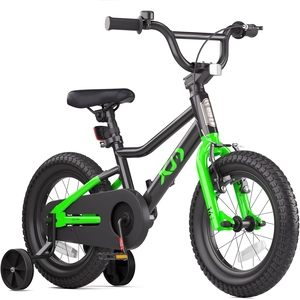
XJD Kids BMX Bike with Training Wheels – Black
XJD Kids BMX Bike with Training Wheels – Black brings the recorded fit, riding a…
Kids' BMX Bikes Training Wheels Yes Single Speed 12 Inch -
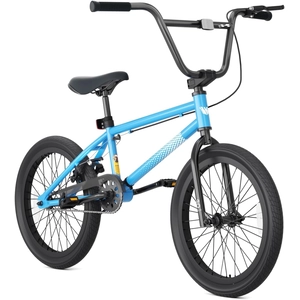
XJD 20-Inch Freestyle BMX Bike without Pegs – Blue
XJD 20-Inch Freestyle BMX Bike without Pegs – Blue brings the recorded fit, ridi…
Kids' BMX Bikes Training Wheels No Single Speed