

Kids Bike Roadside Repair Kit: Pack for the Actual Wheel and an Adult’s Skills
A kids bike roadside repair kit should reflect the bicycle being taken out and the adult who will use it. A tiny pouch can contain many tools yet still miss the one needed to remove the actual wheel. Plan around a small number of understood tasks, compatible supplies and a reliable way home. Carrying a tool does not make every roadside location suitable for a repair or every adult ready to perform it.
Build the kids bike roadside repair kit from the bicycle
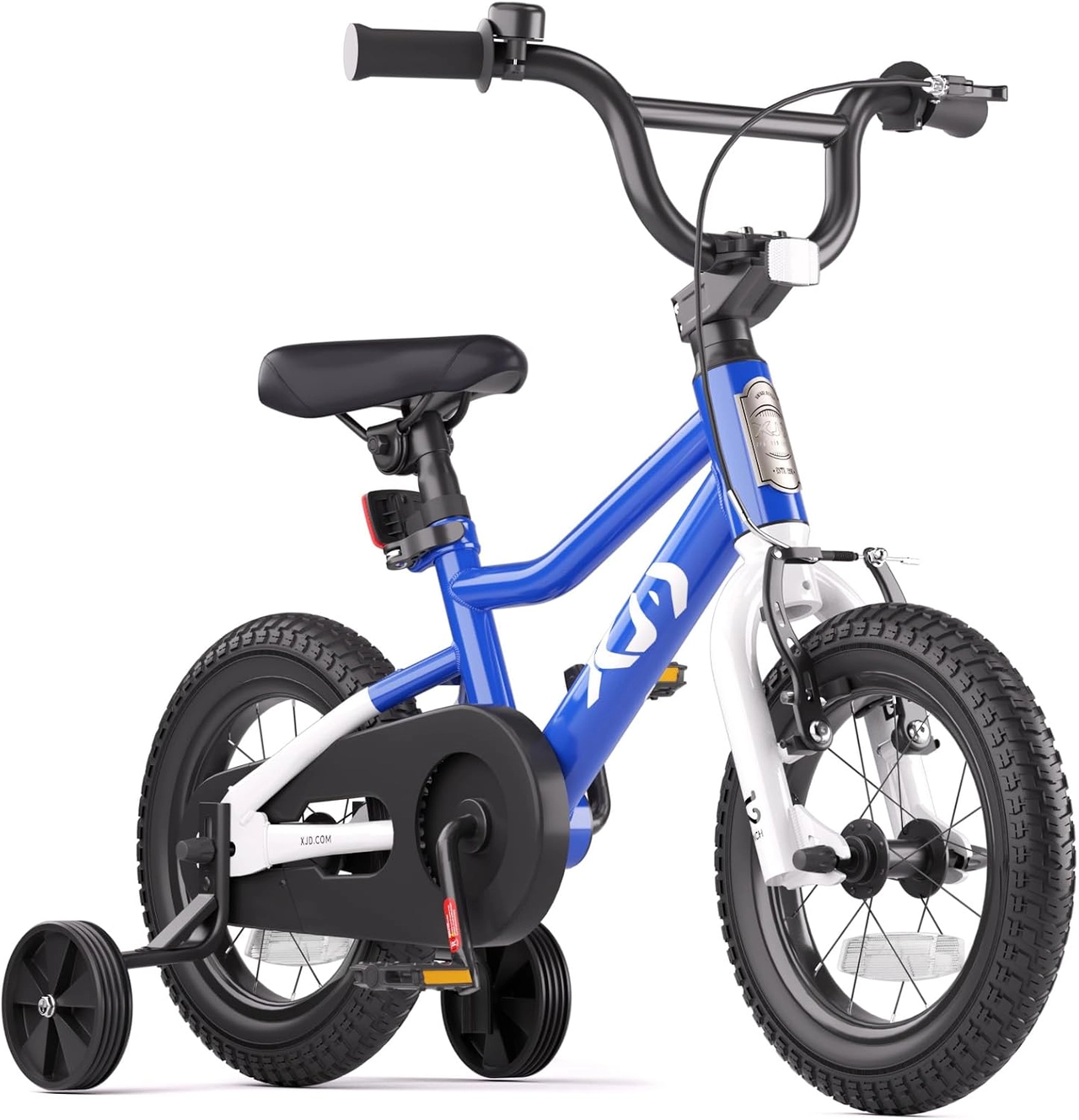
Identify the selected wheel size, fitted tire and tube information, valve and wheel-retention arrangement at home. Use the actual bicycle and its instructions, rather than a generic age category. The Blue XJD learner family offers several wheel sizes and includes training wheels, a front caliper brake and rear coaster brake. Those parts affect a complete wheel-service task. Do not assume a folding multitool alone can release and correctly restore every affected attachment.
Match the inflation and puncture supplies before departure
Choose a pump that works with the fitted valve and an appropriate way to measure pressure. If the plan includes a spare tube or patches, verify the actual tube size, valve requirements and patch compatibility. Keep any permitted tire levers suitable for the rim and tire. Do not pack a tubeless plug kit as a substitute for identifying a tubed setup. Test equipment compatibility at home through its instructions rather than discovering an unsuitable connector beside the path.
Carry tools only for tasks the adult can complete
List the permitted adjustments or repairs you understand, then match the necessary tool sizes to those tasks. Some jobs require additional equipment and a complete service procedure. A tool that can loosen a part is not necessarily enough to restore its required assembly and tightening. Keep sharp items, small hardware and repair chemicals secured away from children. If a task cannot be completed and checked properly outdoors, plan recovery instead of expanding the kit with unfamiliar tools.
Pack the kit where it cannot interfere with riding
The supervising adult should carry the repair equipment securely. Do not hang a heavy pouch from a child’s brake cables or let loose straps enter wheels and pedals. Keep the kit identifiable and protected from damage, and check that pump parts and supplies remain together. A small written bicycle specification can reduce confusion when help is needed. Include a practical communication and collection plan suited to the outing, rather than assuming the rider can always walk the bicycle home.
Decide what counts as a completed roadside repair
First move the group to a place away from traffic and the riding line. Have another responsible adult supervise the child where needed. Complete only the approved task you can verify, including affected wheel retention, brakes and any support hardware. A tire that holds air briefly does not prove the entire bicycle has been restored. Damage, missing parts or an incomplete check means using the recovery plan. Restock used supplies afterward while the details are still clear.
Model details relevant to this task
The current Blue XJD training-wheel model is a real example for planning a kit; no pump, tube, patch product or toolkit is claimed to be included. Its chain guard and rear coaster-brake arrangement make it particularly important to understand the whole service task before packing for it. The linked model details are available for XJD Kids BMX Bike with Training Wheels – Blue.
Quick checklist
- Identify the fitted wheel equipment.
- Match pump and repair supplies.
- Check required tool sizes at home.
- Secure the adult-carried kit.
- Keep a workable recovery plan.
Common questions
Does a multitool cover every wheel repair?
No. Confirm the actual retention hardware, required tools and complete reassembly procedure for this bicycle.
Should a child carry the repair chemicals?
Keep tools, small parts and chemicals secured under adult control, consistent with their instructions.
Must every puncture be repaired beside the path?
No. Use the recovery plan when location, equipment, skills or completed safety checks are inadequate.
Related collections
The XJD BMX-style learning bicycles and training-wheel equipment arrangements provide further model details. Check the exact selected configuration when planning fit, handling and care.
Before the next outing
Prepare a kids bike roadside repair kit through a home equipment check and a realistic adult task list. Compatible supplies and a clear recovery plan matter more than the number of tools packed.