

12 Inch Bikes Height and Age Guide: Measure Before You Buy
A 12-inch bike is a starting point for ages 3–4 and heights 34–40 in (86–102 cm), but measure the child and confirm the fit before buying.
Measure height and inseam first
Measure the rider without shoes, standing straight against a wall. Record total height from the floor to the top of the head. Then measure inseam from the floor to the crotch, using a thin book held level to represent where the saddle meets the body.
Height places the child in the XJD Bikes starting range. Inseam helps you judge whether the child can stand over the bicycle comfortably and manage stops without struggling. Do not choose from age alone: children of the same age can have different leg length, arm length, coordination and confidence.
Compare the measurements with the 12-inch range
| Wheel size | Age starting point | Rider height starting point |
|---|---|---|
| 12 Inch | 3–4 | 34–40 in / 86–102 cm |
| 14 Inch | 3–6 | 37–45 in / 94–114 cm |
| 16 Inch | 4–7 | 40–48 in / 102–122 cm |
If the measured height is 34–40 inches, a 12-inch model is the relevant size to try first. The overlapping ranges are comparison points, not proof that either size will fit. For example, a 38-inch rider falls within both the 12-inch and 14-inch starting ranges, so an individual fit check must decide between them.
A child below the 12-inch height range should not be moved onto one solely because of age. A child at or above the upper end may need to compare the next size, but should not automatically move up if reach, stand-over clearance or control becomes difficult.
Check the bicycle with the child present
Have the child try the exact bicycle whenever possible. The American Academy of Pediatrics advises against buying an oversized bicycle for a child to grow into. Extra size can make mounting, stopping, steering and reaching the controls harder now.
During the fit check, look for these practical signs:
- Stand-over: The child can straddle the bicycle without being forced onto tiptoes or pressed uncomfortably against the frame.
- Reach: The child can hold the handlebar with relaxed arms instead of stretching, locking the elbows or leaning excessively.
- Brake control: The child can reach and operate the provided braking controls reliably. Check the exact product manual for adjustment instructions.
- Starting and stopping: The child can get into position, begin moving and stop without panic or loss of balance.
- Confidence: The bicycle feels manageable at the child’s present skill level, not merely possible with adult support.
If any of these checks fail, do not treat the age or height chart as permission to buy that size. Compare another size or model and repeat the same test.
How the supplied 12-inch options compare
Both supplied catalog options include a 12 Inch SKU label, so they are directly relevant models to inspect after measurements place the rider in the 12-inch starting range. Their other labeled sizes also allow adjacent-size comparison, while the individual fit check remains decisive.
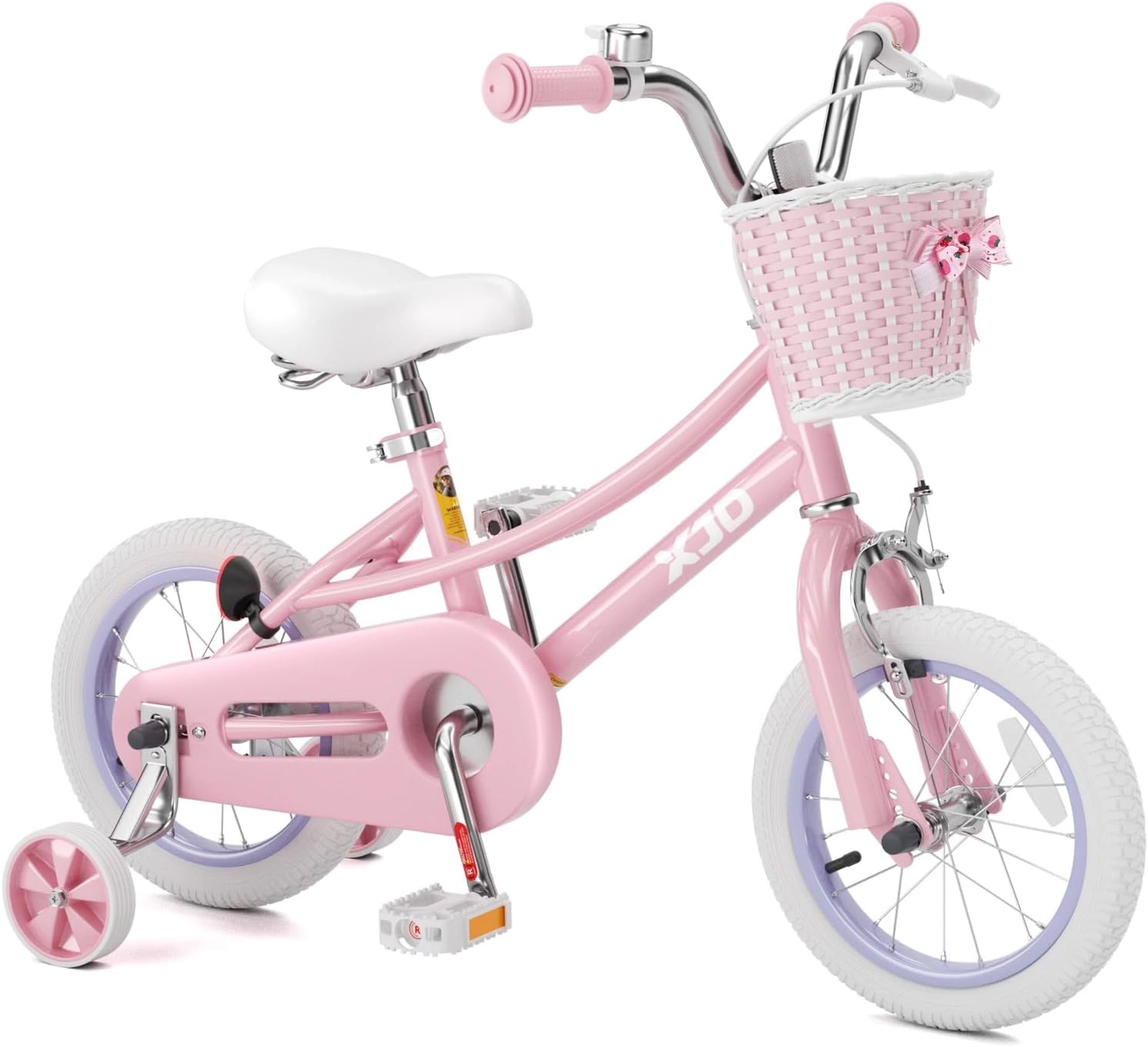 XJD Girls Bike with Training Wheels & Basket – Pink
Its 12 Inch SKU is directly relevant to the guide’s 34–40 in starting range; 14, 16 and 20 Inch labels provide larger comparison options only after an individual fit check.
 XJD Girls Bike with Basket & Doll Seat – Flower Pink
Its 12 Inch SKU is relevant for measured riders in the stated starting range, while its 14 and 16 Inch labels are adjacent comparisons that still require a hands-on fit check.
XJD Girls Bike with Training Wheels & Basket – Pink is listed in Training Wheel Bikes with 12 Inch, 14 Inch, 16 Inch and 20 Inch SKU labels. Its 12 Inch option matches the wheel-size question; the larger labels should be considered only when the rider’s measurements and real-world fit support them.
XJD Girls Bike with Basket & Doll Seat – Flower Pink is also listed in Training Wheel Bikes and has 12 Inch, 14 Inch and 16 Inch SKU labels. Its 12 Inch option is relevant for the same measured fit range. The catalog title describes included features, but it does not establish fit.
These facts do not establish frame dimensions, brake type, load limit, assembly procedure or compatibility. Consult the manual for the exact selected product. If setup, adjustment or fit remains uncertain, use a qualified bicycle mechanic rather than inventing a procedure or measurement.
Complete the safety check
Fit a bicycle helmet for every ride. U.S. Consumer Product Safety Commission guidance says the helmet should fit properly, sit level on the head and have its straps used according to the helmet manufacturer’s instructions. A helmet cannot correct a bicycle that is too large or difficult to control.
Before riding, follow the exact bicycle manual for assembly, inspection and maintenance. Confirm that the child can operate the bicycle in a quiet, controlled area before using it around traffic, slopes or other hazards.
Make the 12-inch decision
Start with 12 inches only when the child measures 34–40 inches (86–102 cm), then verify inseam clearance, comfortable reach, brake operation and confident starts and stops on the exact bicycle. If the child cannot complete those checks, do not buy the 12-inch bike based on age 3–4 alone; compare another size and repeat the fit test.
Bikes for your next adventure
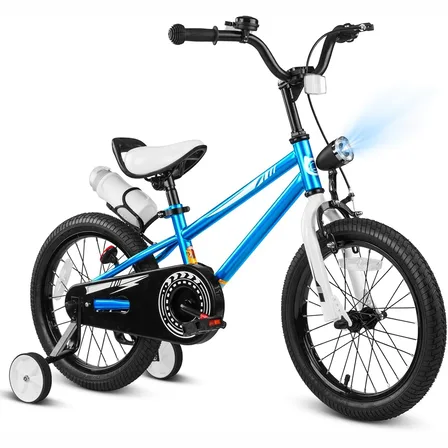
XJD Boys Bike Blue
XJD Boys Bike Blue brings the recorded fit, riding and configuration details tog…$169
$199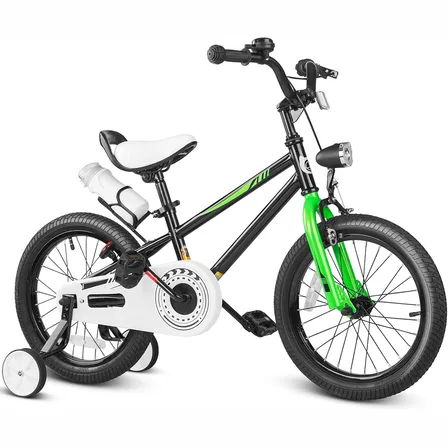
XJD Boys Bike Black
XJD Boys Bike Black brings the recorded fit, riding and configuration details to…$169
$199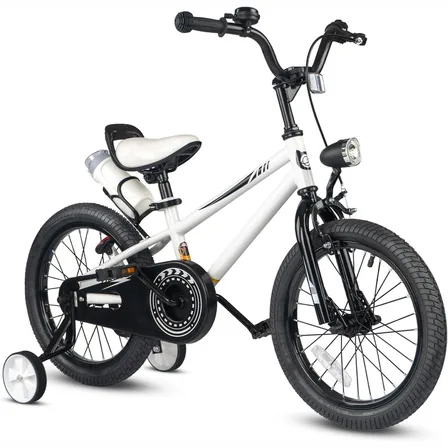
XJD Boys & Grils Bike white
XJD Boys & Grils Bike white brings the recorded fit, riding and configuratio…$169
$199