

16 Inch vs 20 Inch Bike: How to Choose the Right Size
The 16 inch vs 20 inch bike choice is more than a four-inch wheel jump. It often marks a move from an early learning bicycle to a bike designed for longer rides or more independent control. The right answer comes from the child's measurements, the complete frame and the controls they can operate—not from age alone.
Use height and inseam to form the shortlist
Measure the child now rather than relying on last season's numbers. Compare height and inseam with the live sizing guidance for each model, then check the bicycle itself. Children with the same height can have different leg and torso proportions, so an inseam reading does not replace checking handlebar reach and stand-over space.
Expect more than a wheel-size change
A 20-inch bicycle may be longer, heavier and equipped differently from a 16-inch model. Some 20-inch bikes introduce hand brakes, gears or a more specialized riding position. Those features may suit a confident rider, but they add no value if the child cannot start, steer and stop the larger frame without help.
Identify the child's learning stage
A rider who still depends on supports or adult steering may benefit from a correctly fitted 16-inch learning setup. A rider who starts independently, looks through turns and stops on command may be ready to evaluate a 20-inch bike. Readiness does not mean rushing: the child should demonstrate the skills calmly several times in a protected area.
Compare two real control layouts
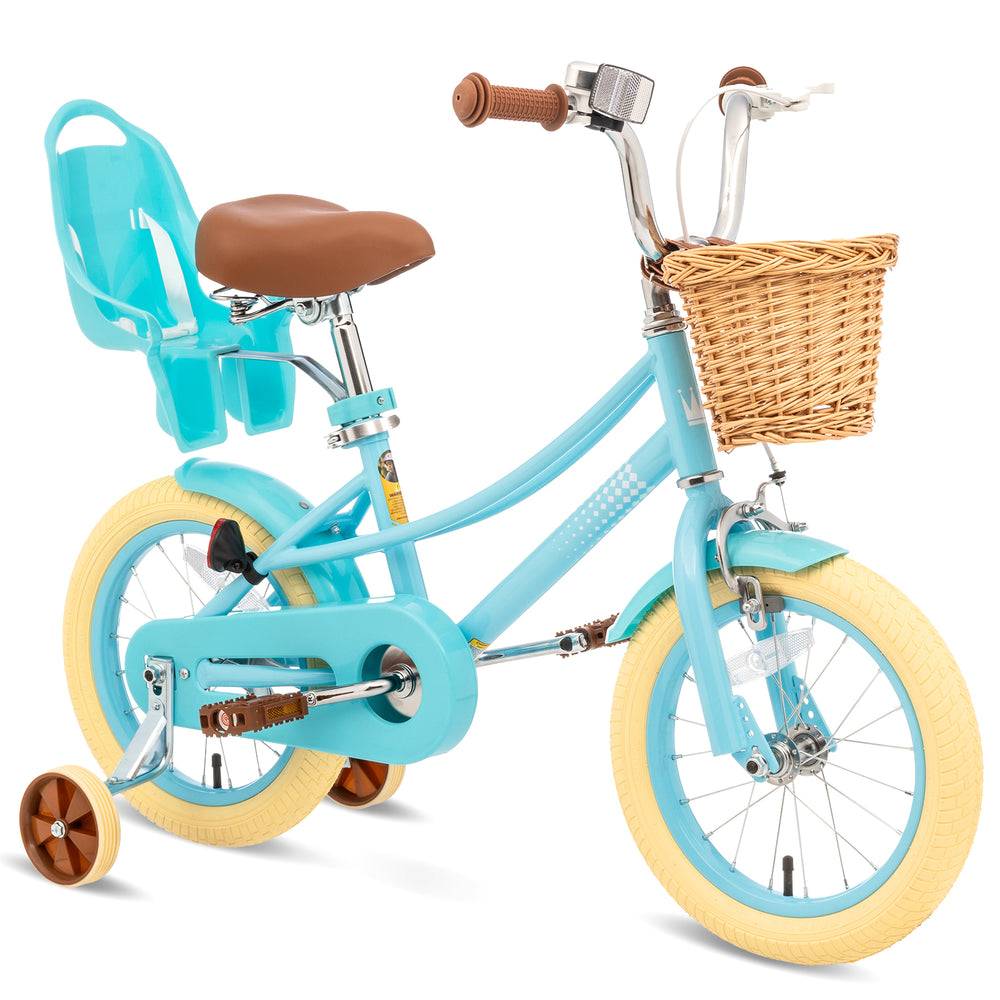
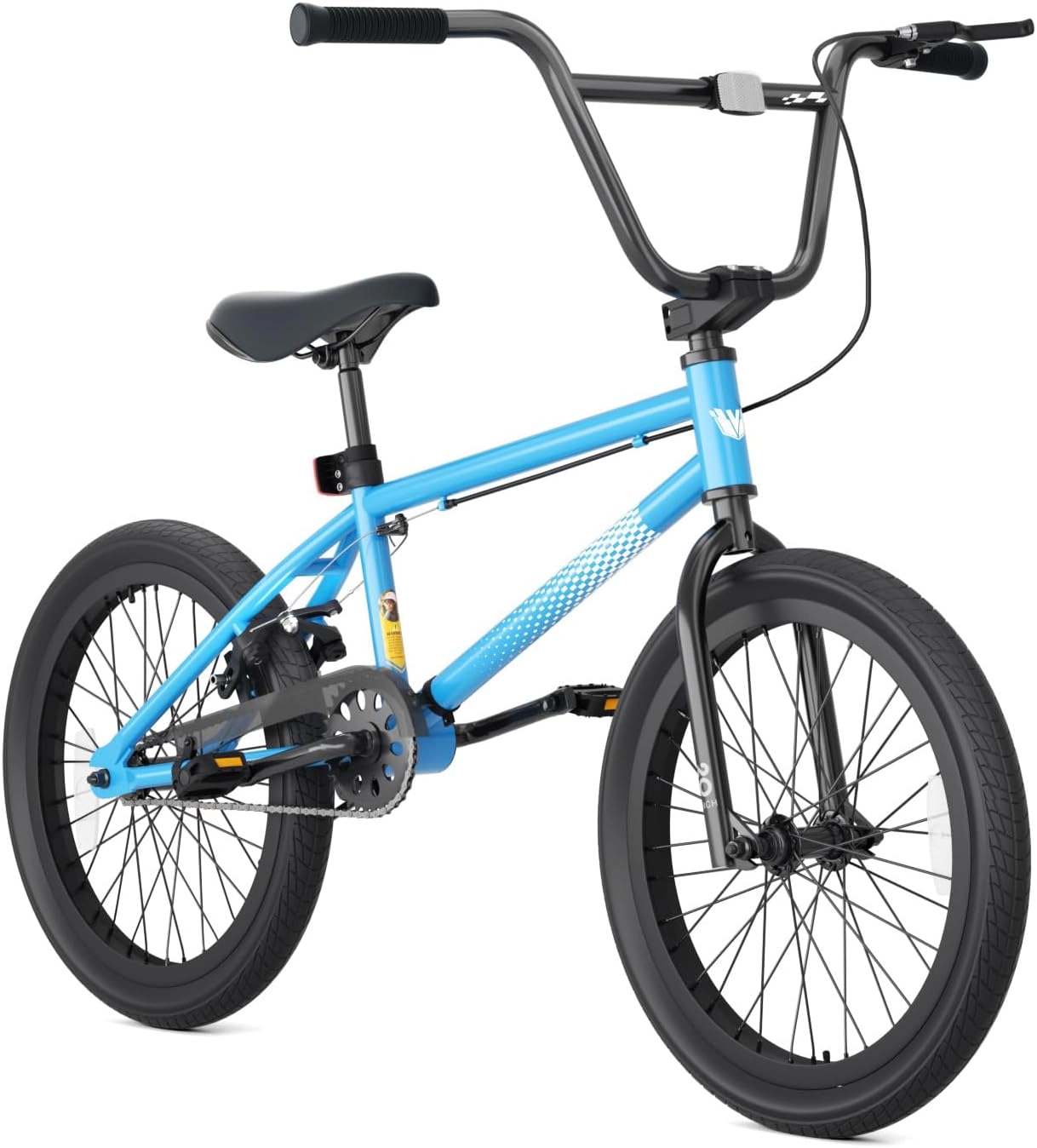
The XJD Kids Bike Blue lists 12-, 14-, 16- and 20-inch options, providing a consistent product family for checking how the selected size changes. The XJD Blue 20-Inch Freestyle BMX Bike is a dedicated 20-inch, single-speed, no-training-wheel format. The BMX example assumes a different stage of balance and independent control than a supported beginner configuration.
Use a fit-and-ride decision test
First check mounting, stand-over room, grip reach and brake operation with the bike stationary. Then use a dry, level, traffic-free course with a start box, two wide turns and a stop line. If the 20-inch bike causes locked elbows, uncertain braking or an adult-assisted start, the 16-inch candidate may be the more useful bike now.
How current XJD examples clarify the choice
The XJD Kids Bike Blue can show how adjacent size options differ within one product family, while the XJD Blue 20-Inch Freestyle BMX Bike shows that a 20-inch label can also come with a distinct BMX purpose and no training wheels. Compare the selected option and current specifications rather than transferring assumptions from one frame to another.
Related XJD sizing guides
16-inch bike guide and 20-inch bike guide and kids bike collection help you compare nearby sizes and bike types before checking the exact product.
Parent checklist
- Record current height and inseam.
- Compare complete frame dimensions and control layout.
- Confirm independent starts and planned stops.
- Match the bike to the usual route.
- Avoid sizing up when reach or braking becomes uncertain.
Frequently asked questions
Can a six-year-old ride a 20-inch bike?
Some can, but age does not establish fit. Check the exact frame, inseam, reach and the child's ability to stop it independently.
Does a 20-inch wheel mean the bike has gears?
No. Wheel size and drivetrain are separate specifications; 20-inch bicycles may be single-speed or geared.
Bottom line
Use this 16 inch vs 20 inch bike comparison to narrow the options, then let the exact frame, current measurements and repeatable control decide. Follow the product manual, keep adjustments inside marked limits and begin every new setup in a level area away from traffic.
Bikes for your next adventure
XJD Kids Bike Blue
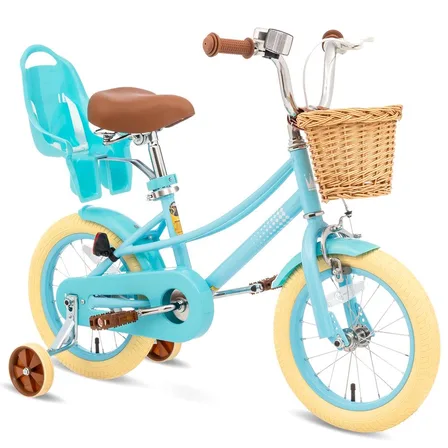
XJD Kids Bike Blue brings the recorded fit, riding and configuration details tog…$139
$159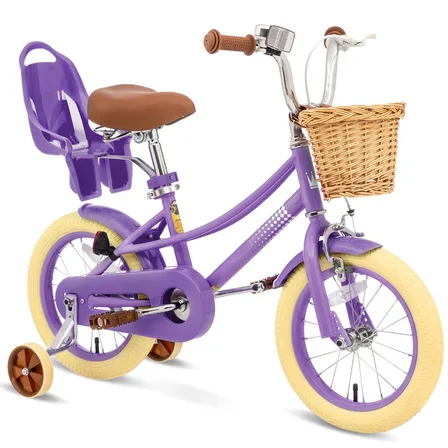
XJD Kids Bike Purple
XJD Kids Bike Purple brings the recorded fit, riding and configuration details t…$139
$159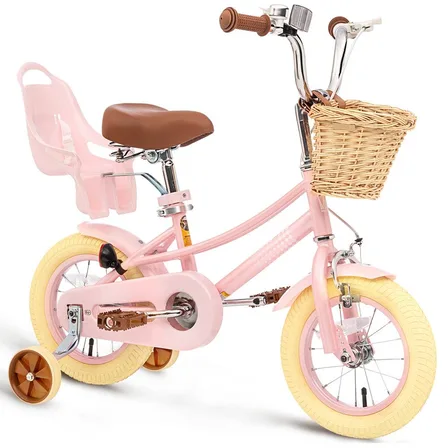
XJD Kids Bike Pink
XJD Kids Bike Pink brings the recorded fit, riding and configuration details tog…$139
$159