Best Bicycle for 4-Year-Old Boys: Size and Fit Guide
Best bicycle for 4-year-old boys: For a new rider, favor easy starts, low stand-over height and controls that small hands can reach. Age is only a starting point; measure height and inseam, then confirm stand-over clearance, handlebar reach and braking control on the exact bicycle.
For most 4-year-old boys, compare 12-, 14-, and 16-inch bikes, then choose by measured height and an individual fit check—not age alone.
Start with height, not the birthday
Wheel size is only a starting point. Measure your child without shoes, standing straight against a wall, and compare the result with the XJD Bikes ranges below. A 4-year-old may fall into more than one range, so the final choice depends on inseam, reach, brake control, and current riding confidence.
| Wheel size | Starting age | Rider height |
|---|---|---|
| 12 Inch | 3–4 | 34–40 in / 86–102 cm |
| 14 Inch | 3–6 | 37–45 in / 94–114 cm |
| 16 Inch | 4–7 | 40–48 in / 102–122 cm |
These ranges overlap intentionally. For example, a child who is 40 inches tall could begin by trying all three sizes, but that does not mean they fit equally well.
Measure the rider before comparing bikes
- Height: Have the child stand barefoot with heels against a wall. Mark the top of the head and measure from the floor.
- Inseam: Place a book upright between the legs to represent the saddle area, then measure from the floor to the book’s top edge.
- Reach and hand control: On the actual bike, check whether the child can hold the handlebar naturally, steer without stretching, and operate the brakes comfortably.
- Confidence: Consider whether the rider is learning from the beginning, relies on training wheels, or already starts, steers, and stops calmly.
Compare the inseam with the bike’s actual stand-over and saddle dimensions. Those measurements are not supplied here, so verify them on the exact product or arrange a hands-on fit check.
What a correct fit looks like
Have the child try the bicycle. When standing over it, there should be usable clearance rather than contact with the frame. When seated, the child should be balanced and able to manage the pedals without awkwardly reaching or rocking from side to side.
Next, watch the upper body. The shoulders should look relaxed, the elbows should not be locked, and turning the handlebar should not pull the rider off-center. Confirm that small hands can reach and operate the brakes with control. If the child cannot mount, steer, or brake confidently, the bike is too demanding even when the age or height chart appears to match.
Do not buy an oversized bicycle merely to allow room for growth. A bike that is difficult to control now is not an appropriate present fit.
Age-relevant XJD bicycles to compare
The following two current options are included as fit examples, not automatic recommendations. For a new rider, favor easy starts, low stand-over height and controls that small hands can reach.
XJD Boys Bike Blue
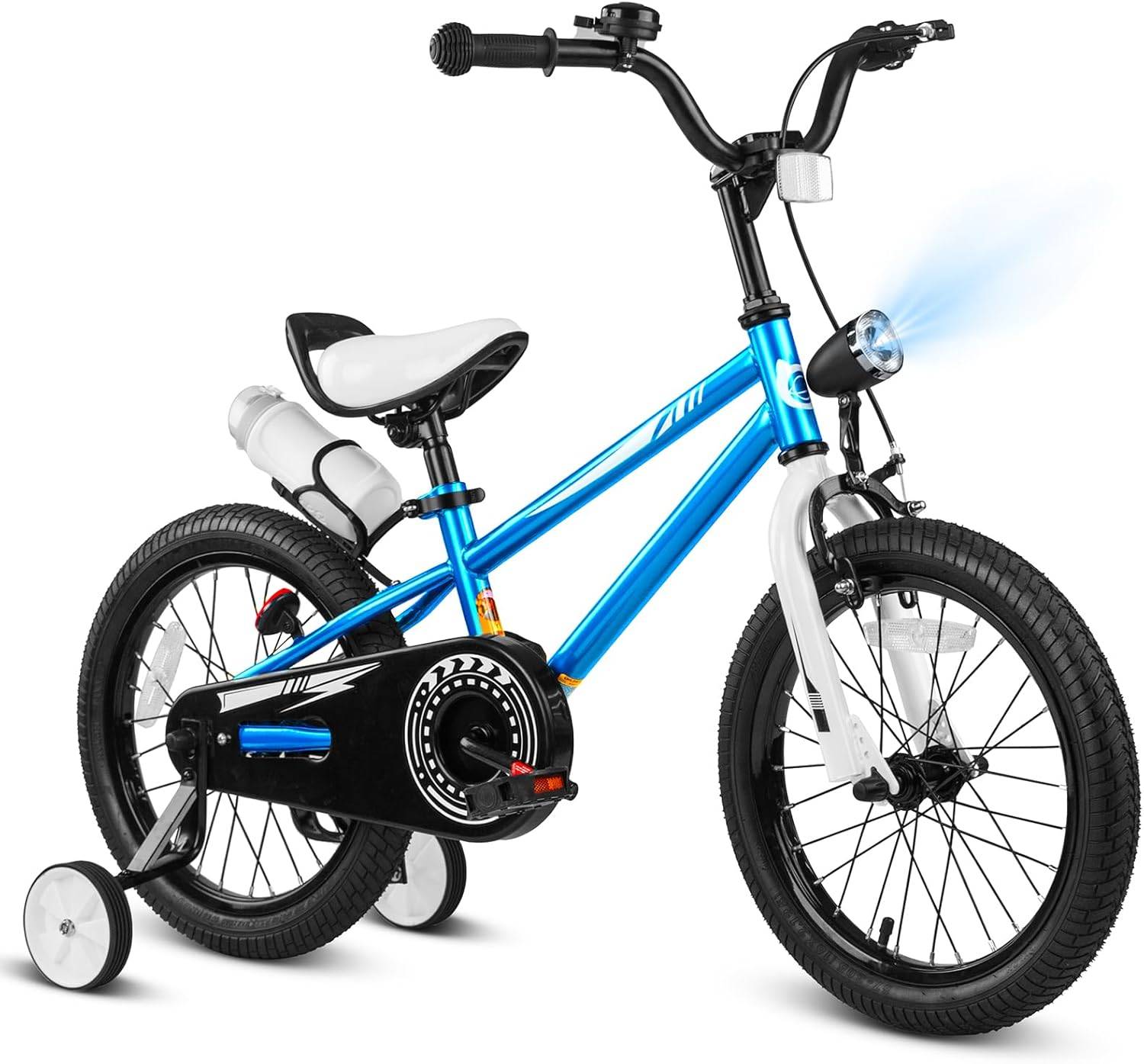
This is a small pedal bike with removable training wheels. The live catalog lists 12-inch, 14-inch, 16-inch wheel choices and an age range that includes 4; select the exact size from height, inseam, brake reach and a hands-on control check.
XJD Kids BMX Bike with Training Wheels – Blue
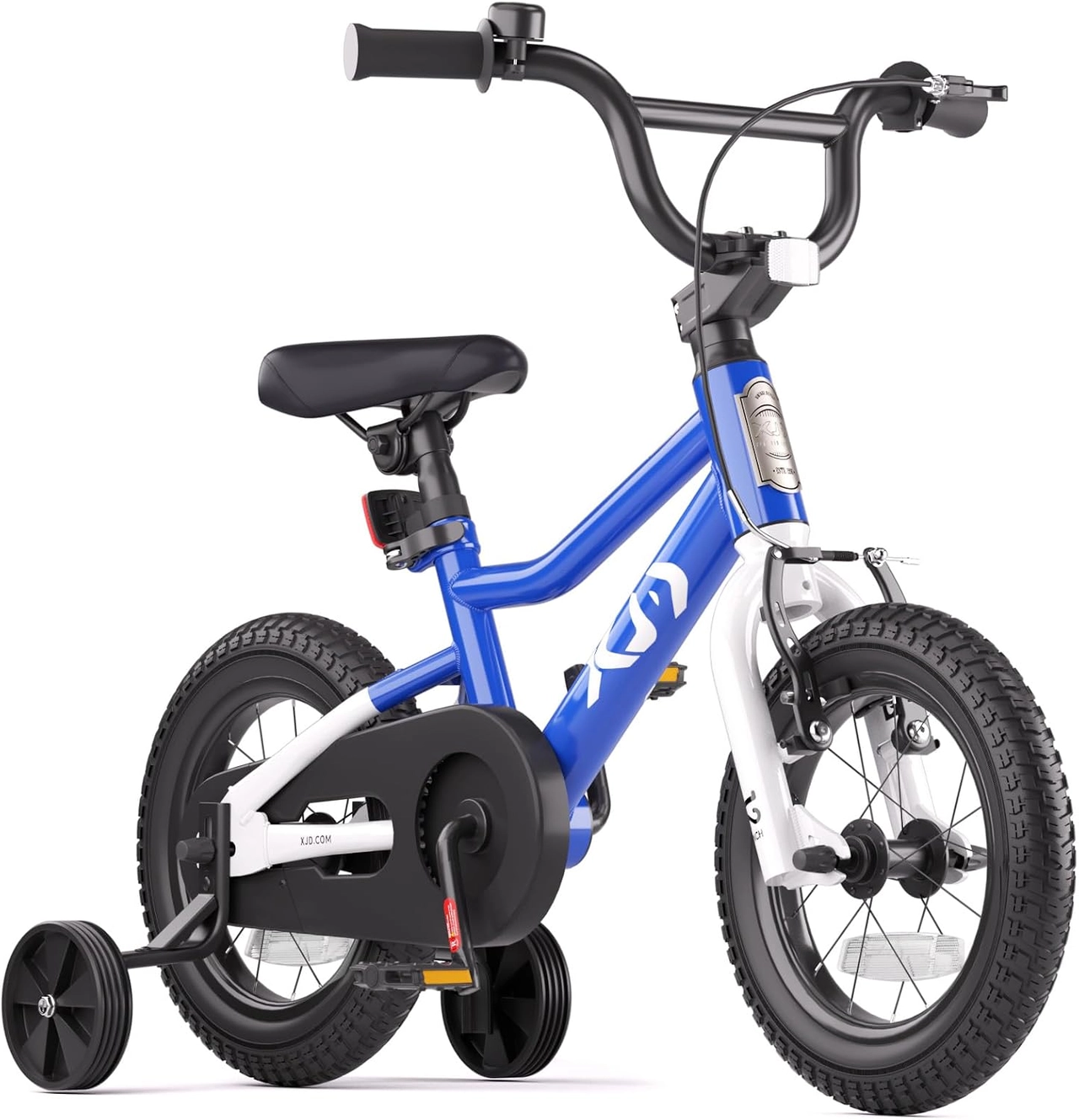
This is a BMX-style beginner bike with removable support wheels. The live catalog lists 12-inch, 14-inch, 16-inch wheel choices and an age range that includes 4; select the exact size from height, inseam, brake reach and a hands-on control check.
For a wider comparison, use the bicycle guide for 4-year-olds together with the full boys’ bicycles collection. Those pages help compare sizes; the child’s measurements still control the final decision.
Use a quick hands-on decision test
- Can the child get on and off without struggling?
- Is there appropriate clearance while standing over the frame?
- Can the child sit in a controlled position and pedal without excessive reaching?
- Can the child turn the handlebar while remaining centered?
- Can the child reach and operate the brakes reliably?
- Does the rider appear calm enough to start, steer, and stop at a suitable practice pace?
If any answer is no, adjust only as permitted by the exact product manual and repeat the check. If correct adjustment does not solve the problem, compare another size or ask a qualified bicycle mechanic to assess the fit. Follow the manual for assembly, maintenance, compatibility, load limits, and torque because those details are product-specific.
Finish the setup before the first ride
Use a properly fitting bicycle helmet. It should sit level and be secured with its straps according to the helmet manufacturer’s instructions. Practice in a traffic-free area with close adult supervision so the child can demonstrate starting, steering, braking, and stopping before riding farther.
For a 4-year-old boy, measure height and inseam today, shortlist the matching 12-, 14-, or 16-inch size, and approve the bike only after the child passes the stand-over, reach, brake, and control checks.
Recommended products
-
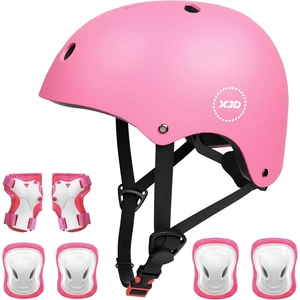
XJD Kids Bike Helmet & Protective Gear Set – Pink
XJD Kids Bike Helmet & Protective Gear Set – Pink makes helmet selection cle…
Bike Helmets S -
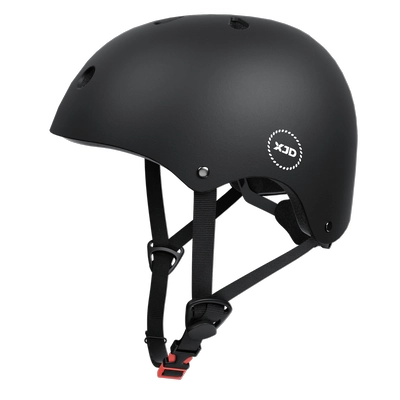
XJD Kids Bike Helmet Protective Gear Set
XJD Kids Bike Helmet Protective Gear Set makes helmet selection clearer: measure…
Bike Helmets Blue / L:21.65"-22.83" / 55-58 cm -
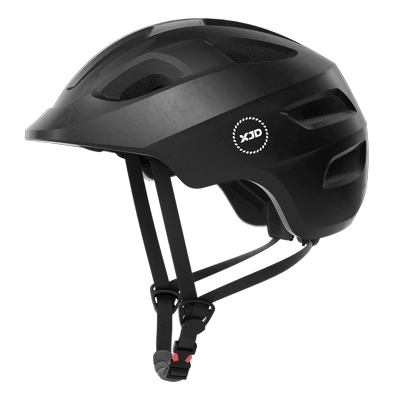
XJD Kids Bike Helmet Black
7 reviews 7 sold
XJD Kids Bike Helmet Black makes helmet selection clearer: measure first, then c…
Bike Helmets Purple / S:18.11"-20.08" / 46-51 cm -
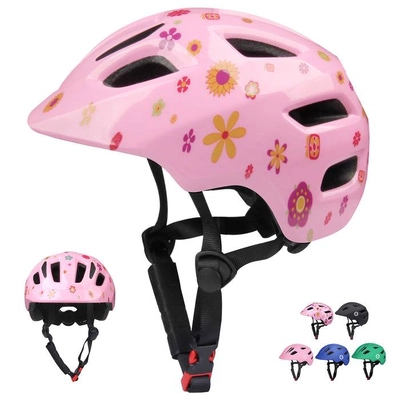
XJD Kids Bike Helmet Pink Flower
7 reviews 3 sold
XJD Kids Bike Helmet Pink Flower makes helmet selection clearer: measure first, …
Bike Helmets S:18.11"-20.08" / 46-51 cm