Best Bicycle for 5-Year-Old Boys: Size and Fit Guide
Best bicycle for 5-year-old boys: This is often a transition stage, so compare support-wheel compatibility with the child’s ability to start and stop alone. Age is only a starting point; measure height and inseam, then confirm stand-over clearance, handlebar reach and braking control on the exact bicycle.
For most 5-year-old boys, compare 14-, 16-, and 18-inch bikes, then choose by measured height and an in-person fit check—not age alone.
Which wheel size should you check first?
Start with the child’s current standing height. Under the XJD Bikes sizing starting points, a 14-inch bike covers 37–45 in (94–114 cm), a 16-inch bike covers 40–48 in (102–122 cm), and an 18-inch bike covers 43–52 in (109–132 cm). All three age bands include age five, so height and actual control must break the tie.
| Wheel size | Starting age range | Rider height | Relevance at age 5 |
|---|---|---|---|
| 12 Inch | 3–4 | 34–40 in / 86–102 cm | Consider only when the child’s measurements and individual fit support it; age alone points elsewhere. |
| 14 Inch | 3–6 | 37–45 in / 94–114 cm | A starting option for children within this height range. |
| 16 Inch | 4–7 | 40–48 in / 102–122 cm | A starting option for children within this height range. |
| 18 Inch | 5–9 | 43–52 in / 109–132 cm | A starting option for taller children within this height range. |
Overlap is normal. If your child falls into two or three rows, do not automatically select the largest wheel. The better choice is the bike on which he can stand over, reach, steer, start, stop, and operate the brakes with control and confidence.
Measure before comparing bikes
Measure standing height without shoes, with the child upright against a wall. Then measure inseam from the floor to the crotch while the child stands naturally. Record both measurements in inches or centimeters so you can compare them consistently.
Height identifies useful wheel-size starting points; inseam helps with the physical stand-over check. Wheel size does not reveal every frame dimension, so it cannot confirm fit by itself. The child still needs to try the exact bicycle.
Perform the fit and control check
- Check stand-over: Have the child straddle the bicycle while standing over it. He should be able to manage the bike comfortably rather than being forced onto tiptoes or leaning sharply.
- Check seated reach: With the child seated and holding the handlebars, look for a natural, controlled position. Avoid a bike that makes him stretch, lock his arms, or struggle to turn.
- Check brake access: Confirm that he can reach and operate the bicycle’s brakes as designed without losing his grip or control.
- Check handling: In an appropriate supervised area, confirm that he can start, steer, stop, and put a foot down predictably.
- Check confidence: Hesitation caused by the bike feeling tall, heavy to manage, or difficult to control is a reason to reassess the fit rather than expect him to grow into it.
Do not buy an oversized bicycle solely to extend its useful life. A future growth allowance does not compensate for poor stand-over clearance, excessive reach, inaccessible brakes, or reduced control today.
Age-relevant XJD bicycles to compare
The following two current options are included as fit examples, not automatic recommendations. This is often a transition stage, so compare support-wheel compatibility with the child’s ability to start and stop alone.
XJD Boys Bike Blue
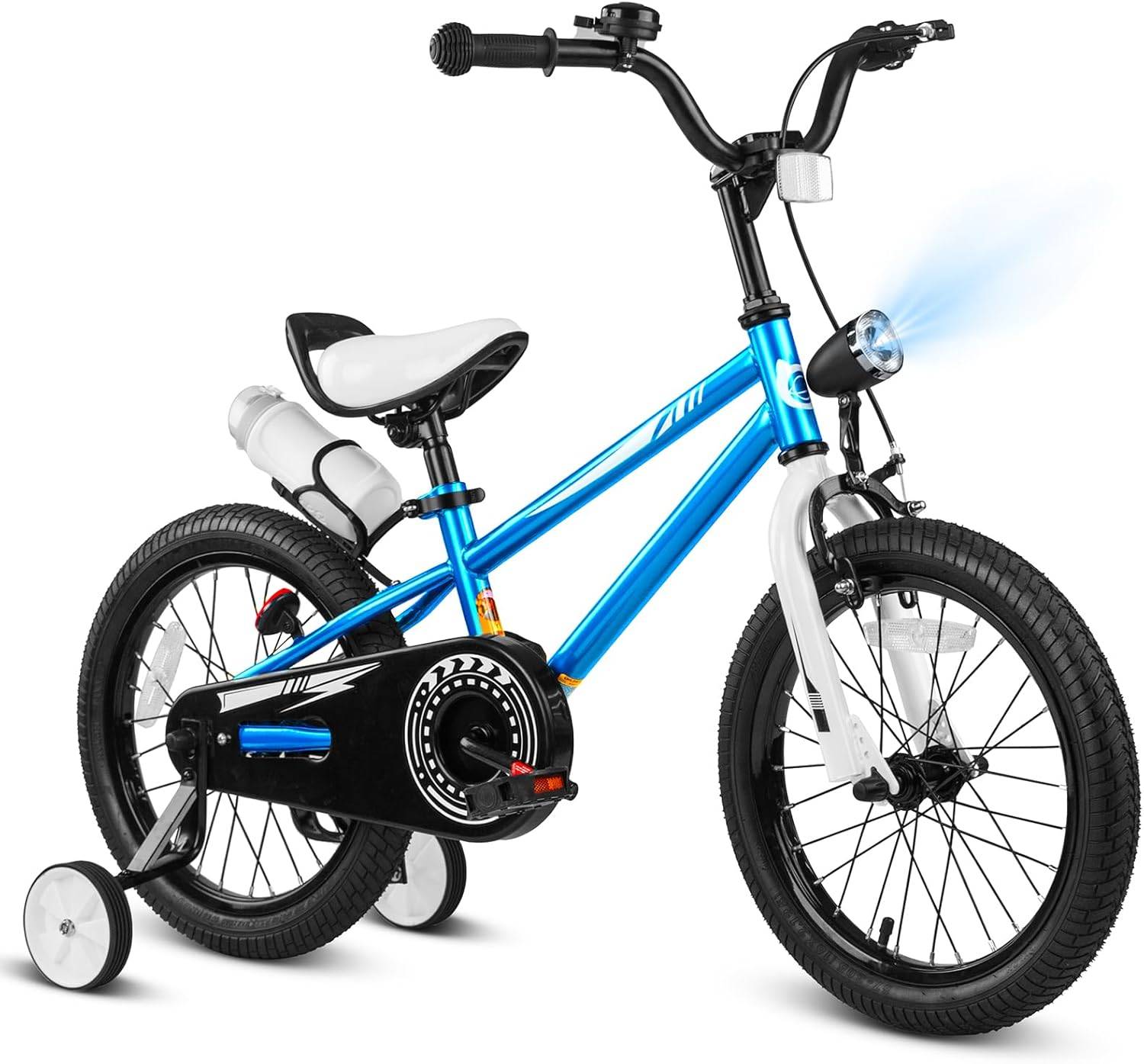
This is a small pedal bike with removable training wheels. The live catalog lists 12-inch, 14-inch, 16-inch wheel choices and an age range that includes 5; select the exact size from height, inseam, brake reach and a hands-on control check.
XJD Kids BMX Bike with Training Wheels – Blue
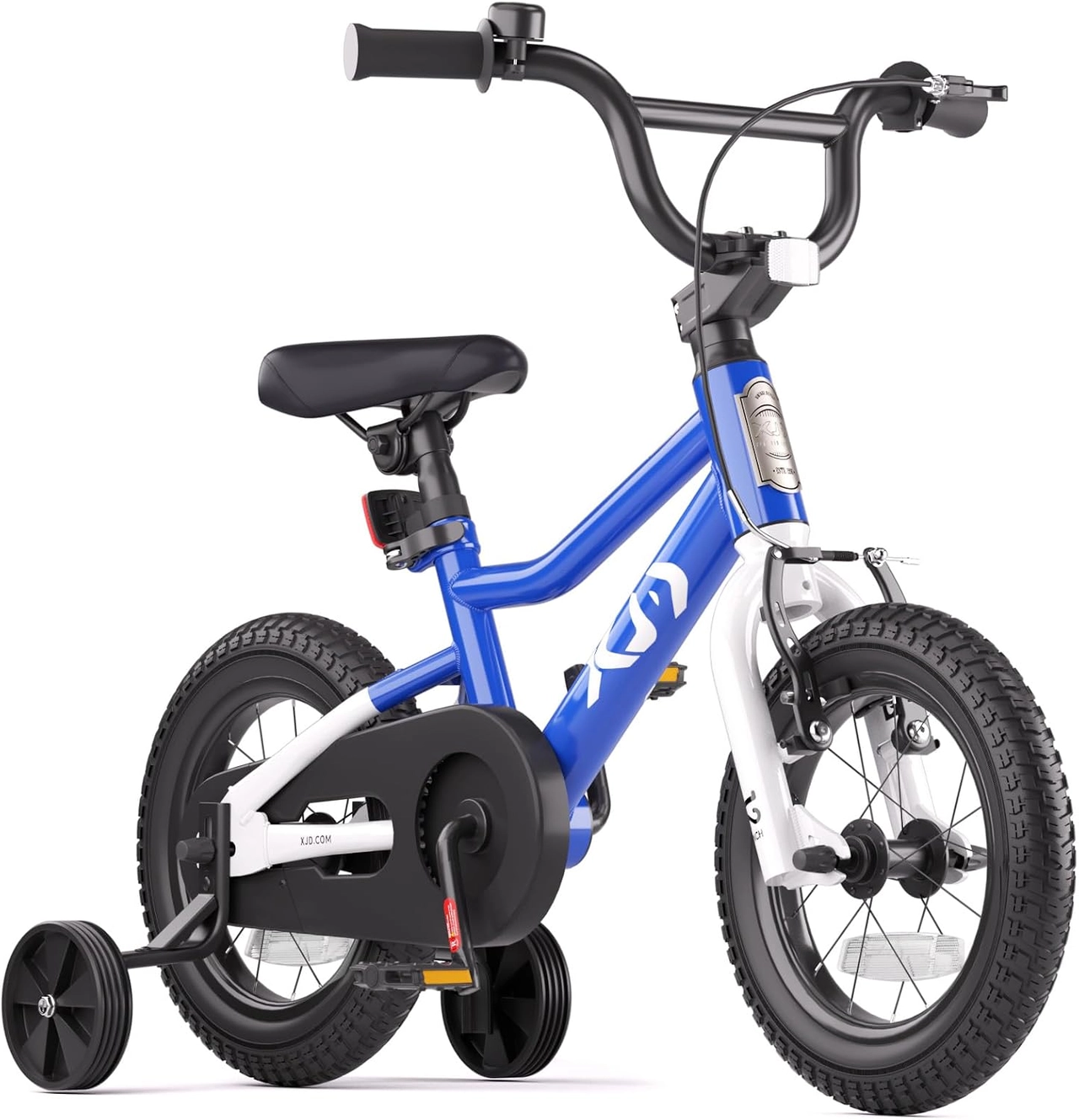
This is a BMX-style beginner bike with removable support wheels. The live catalog lists 12-inch, 14-inch, 16-inch wheel choices and an age range that includes 5; select the exact size from height, inseam, brake reach and a hands-on control check.
For a wider comparison, use the bicycle guide for 5-year-olds together with the full boys’ bicycles collection. Those pages help compare sizes; the child’s measurements still control the final decision.
Complete the safety and setup checks
A properly fitting bicycle helmet is part of every ride. It should sit level and be secured with its straps according to the helmet manufacturer’s instructions. Recheck helmet fit as the child grows.
For assembly, adjustments, maintenance, load limits, compatibility, and torque settings, follow the manual for the exact product. If the instructions are missing or the setup is uncertain, use a qualified bicycle mechanic rather than guessing.
Make the final size decision
Measure height and inseam today, shortlist 14, 16, or 18 Inch from the table, and have the child try the exact bike. Choose the smallest suitable option that provides comfortable stand-over, natural reach, usable brakes, controlled handling, and present confidence. Consider either supplied XJD Training Wheel Bike only if its available 12, 14, or 16 Inch option passes that complete fit check.
Recommended products
-
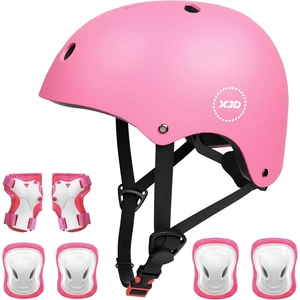
XJD Kids Bike Helmet & Protective Gear Set – Pink
XJD Kids Bike Helmet & Protective Gear Set – Pink makes helmet selection cle…
Bike Helmets S -
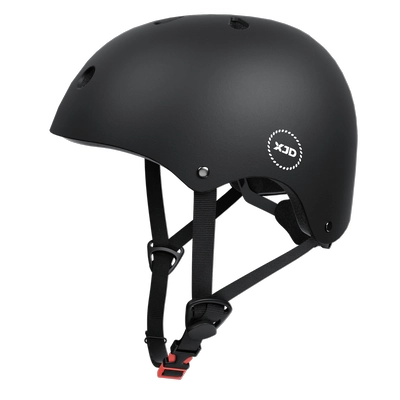
XJD Kids Bike Helmet Protective Gear Set
XJD Kids Bike Helmet Protective Gear Set makes helmet selection clearer: measure…
Bike Helmets Blue / L:21.65"-22.83" / 55-58 cm -
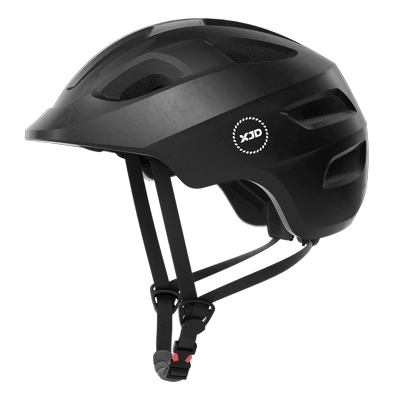
XJD Kids Bike Helmet Black
7 reviews 7 sold
XJD Kids Bike Helmet Black makes helmet selection clearer: measure first, then c…
Bike Helmets Purple / S:18.11"-20.08" / 46-51 cm -
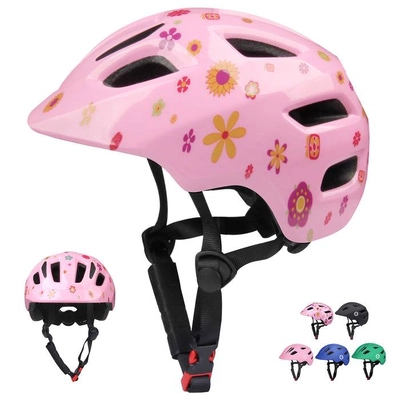
XJD Kids Bike Helmet Pink Flower
7 reviews 3 sold
XJD Kids Bike Helmet Pink Flower makes helmet selection clearer: measure first, …
Bike Helmets S:18.11"-20.08" / 46-51 cm