Best Bicycle for 9-Year-Old Kids: Size and Fit Guide
Best bicycle for 9-year-old kids: A 20-inch option is often the useful comparison, but height and inseam must settle the choice. Age is only a starting point; measure height and inseam, then confirm stand-over clearance, handlebar reach and braking control on the exact bicycle.
For most 9-year-olds, start by comparing 20-inch bikes, then confirm fit using the child’s height, inseam, reach, brake control and confidence.
The short answer on wheel size
Under the XJD Bikes starting points, a 20-inch bike covers ages 7–12 and rider heights of 48–60 inches (122–152 cm). That makes it the usual first comparison for a 9-year-old, but age does not establish fit.
An 18-inch bike covers ages 5–9 and heights of 43–52 inches (109–132 cm), so it may remain relevant for a shorter 9-year-old. A 24-inch bike starts at ages 10–14 and heights of 54–64 inches (137–163 cm), making it a possible next comparison for a taller child—not a size to choose early merely for growth.
| Wheel size | XJD starting age | Rider height | Relevance at age 9 |
|---|---|---|---|
| 18 Inch | 5–9 | 43–52 in / 109–132 cm | Compare for a shorter rider |
| 20 Inch | 7–12 | 48–60 in / 122–152 cm | Usual starting comparison |
| 24 Inch | 10–14 | 54–64 in / 137–163 cm | Compare for a taller rider who can control it |
Measure the rider before comparing bikes
Measure height without shoes, with the child standing straight against a wall. Then measure inseam from the floor to the crotch while the child stands naturally. Record both measurements rather than estimating from clothing size or age.
Height places the rider within the starting ranges above. Inseam helps you evaluate stand-over clearance when the actual bicycle is present. Because no universal inseam-to-frame formula is supplied here, do not convert the inseam into a wheel size by guesswork. Compare the measurement directly with the bicycle during a supervised fit check.
Check fit on the actual bicycle
Have the child try each candidate bicycle. The American Academy of Pediatrics advises against buying an oversized bike for a child to grow into. Use these checks before deciding:
- Stand-over: With the child straddling the bicycle and both feet on the ground, confirm there is comfortable clearance rather than contact with the frame.
- Reach: The child should reach the handlebar without stretching, locking the elbows or leaning so far forward that steering becomes awkward.
- Brake control: Confirm the child can comfortably reach and operate the bicycle’s controls. Do not assume smaller hands can manage every setup.
- Starting and stopping: In a controlled area, check that the rider can start, steer, turn and stop without losing control.
- Confidence: Choose the size the child can handle now. A technically plausible height range does not override hesitation or poor control.
If neither size permits comfortable stand-over, reach and control, keep looking. Wheel diameter alone does not describe every frame’s proportions or setup.
Age-relevant XJD bicycles to compare
The following two current options are included as fit examples, not automatic recommendations. A 20-inch option is often the useful comparison, but height and inseam must settle the choice.
XJD Kids Bike Blue
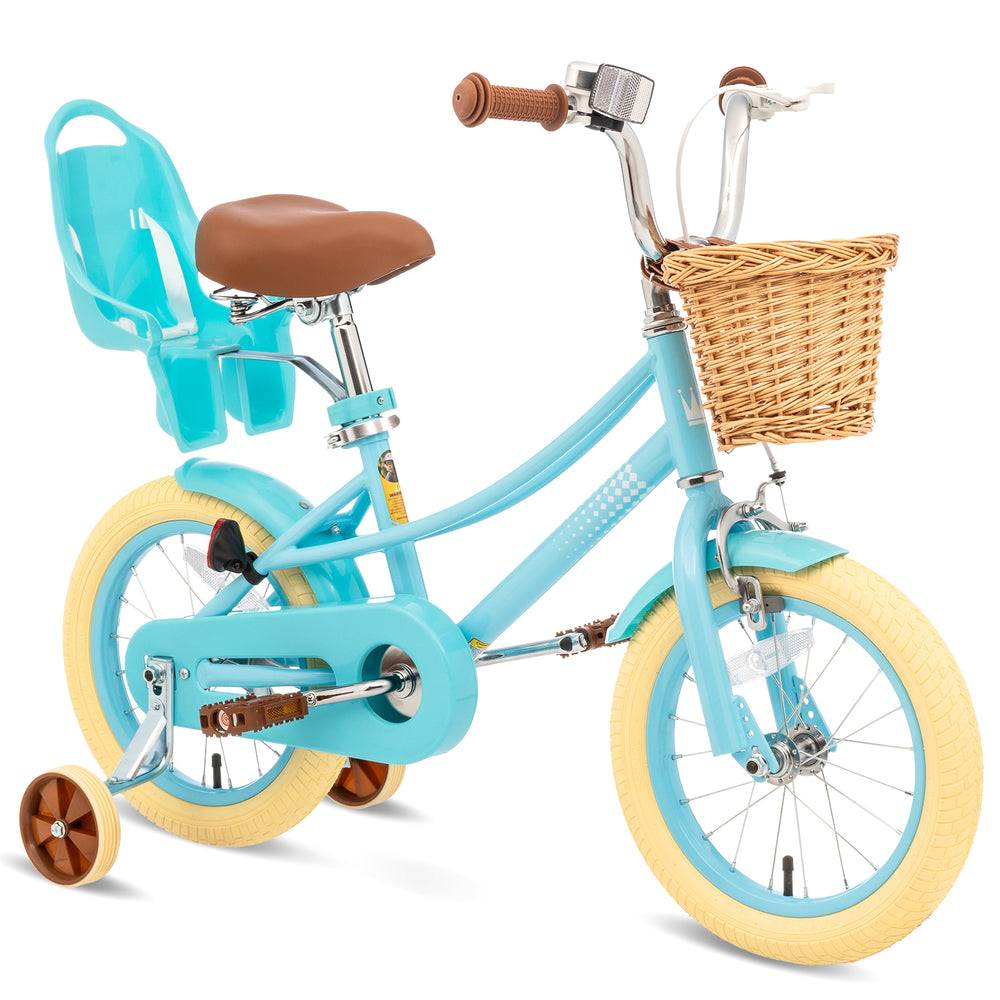
This is a color-neutral fit comparison with four listed wheel sizes. The live catalog lists 12-inch, 14-inch, 16-inch, 20-inch wheel choices and an age range that includes 9; select the exact size from height, inseam, brake reach and a hands-on control check.
XJD Kids BMX Bike with Training Wheels – Black
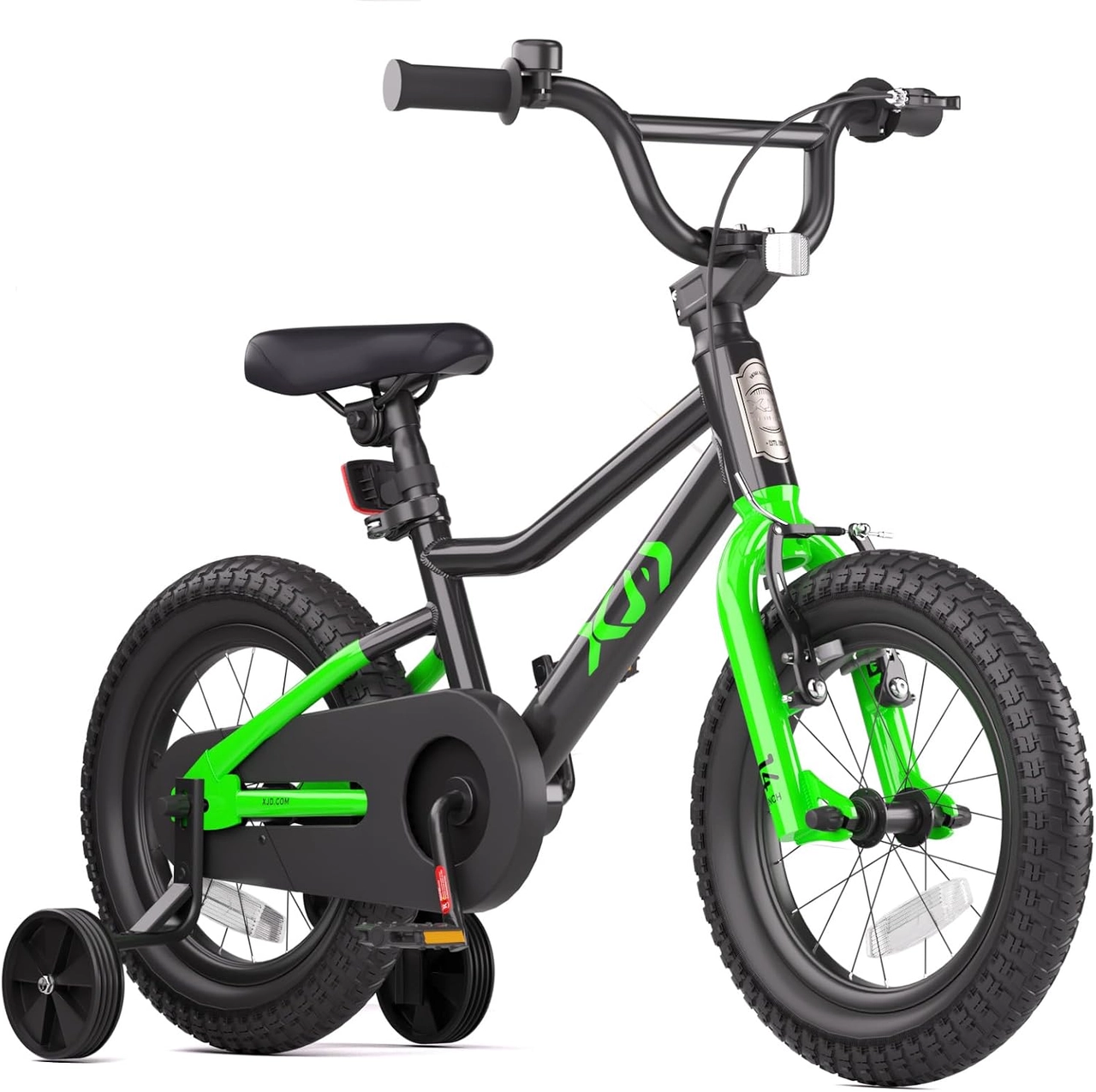
This is a black BMX-style option for early pedal practice. The live catalog lists 12-inch, 14-inch, 16-inch wheel choices and an age range that includes 9; select the exact size from height, inseam, brake reach and a hands-on control check.
For a wider comparison, use the bicycle guide for 9-year-olds together with the full kids’ bicycles collection. Those pages help compare sizes; the child’s measurements still control the final decision.
Do not skip helmet fit
A bicycle helmet is part of the fit process, not an afterthought. The U.S. Consumer Product Safety Commission advises that the helmet must fit properly, sit level on the head and use its straps according to the helmet manufacturer’s instructions. Recheck it whenever its adjustment changes.
Make the final choice
- Measure the 9-year-old’s height and inseam.
- Use 20 inches as the first comparison when height is 48–60 inches (122–152 cm).
- Also compare 18 inches for a shorter rider or 24 inches for a taller rider only when the applicable height range supports it.
- Have the child try the bicycle and verify stand-over, reach, brake operation, starting, steering and stopping.
- Select the bike the child controls confidently today, rather than an oversized model intended for future growth.
For a 9-year-old, the right decision is therefore not “20 inches automatically,” but the size—usually checked first at 20 inches—that matches measured height and permits comfortable, confident control in person.
Recommended products
-
XJD Kids Bike Helmet & Protective Gear Set – Pink
XJD Kids Bike Helmet & Protective Gear Set – Pink makes helmet selection cle…
Bike Helmets S -
XJD Kids Bike Helmet Protective Gear Set
XJD Kids Bike Helmet Protective Gear Set makes helmet selection clearer: measure…
Bike Helmets Blue / L:21.65"-22.83" / 55-58 cm -
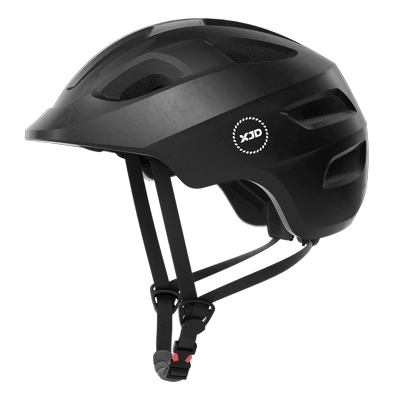
XJD Kids Bike Helmet Black
7 reviews 7 sold
XJD Kids Bike Helmet Black makes helmet selection clearer: measure first, then c…
Bike Helmets Purple / S:18.11"-20.08" / 46-51 cm -
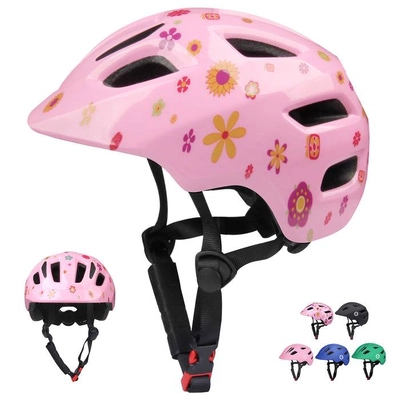
XJD Kids Bike Helmet Pink Flower
7 reviews 3 sold
XJD Kids Bike Helmet Pink Flower makes helmet selection clearer: measure first, …
Bike Helmets S:18.11"-20.08" / 46-51 cm