

Bike Riding and Child Development: What Research Shows
Behind the obvious fun, learning to ride is one of the densest developmental tasks of early childhood — a reason balance bikes have spread through every playground in a generation.
The balance system (vestibular) matures through exactly the kind of input riding provides: leaning, gliding, self-correcting. Research on balance-bike programs finds gains not just in riding itself but in overall motor coordination — the body's balance 'library' grows from every glide, like those the Mini Bike 2 Yellow Dragon | XJD makes natural.
Every glide is a deposit in the body's balance library.
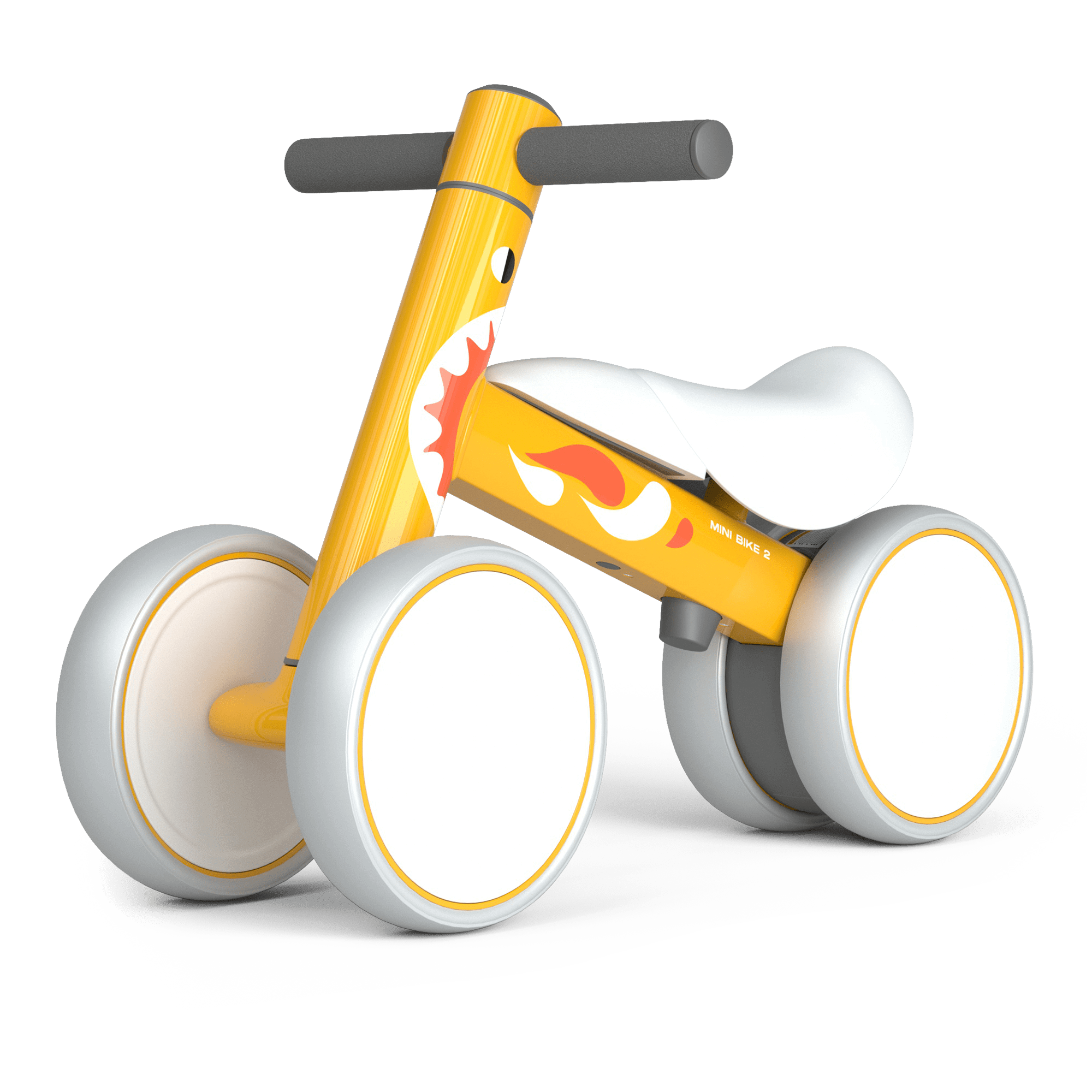
See the Mini Bike 2 Yellow Dragon | XJD for current colors and sizing.
Executive function gets its workout too: riding demands continuous micro-decisions — speed, line, obstacles — with instant feedback. That prediction-correction loop is the same circuitry children use for academics later. The independence component matters psychologically: self-powered transport is a milestone of agency, the feeling of 'I can go places myself.'
None of which the child notices, of course — and that's the point. Development that arrives disguised as play is the kind that sticks.
Bikes for your next adventure
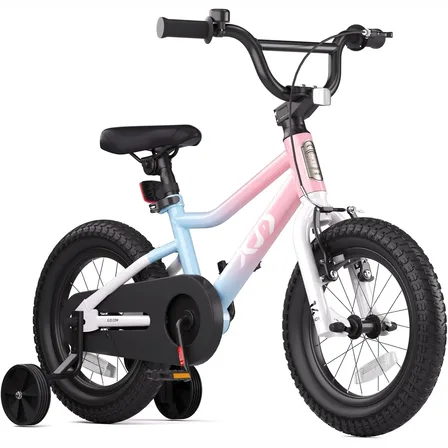
XJD Kids BMX Bike with Training Wheels – Pink Blue
8 reviews
XJD Kids BMX Bike with Training Wheels – Pink Blue brings the recorded fit, ridi…$99.99
$119.99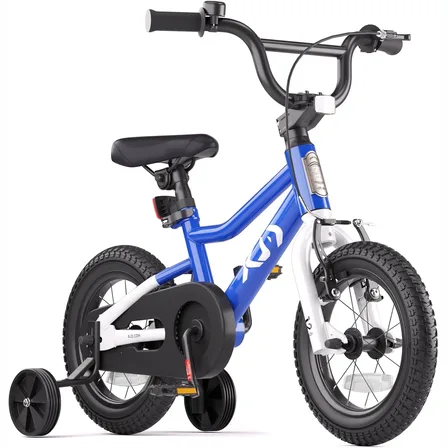
XJD Kids BMX Bike with Training Wheels – Blue
8 reviews
XJD Kids BMX Bike with Training Wheels – Blue brings the recorded fit, riding an…$99.99
$119.99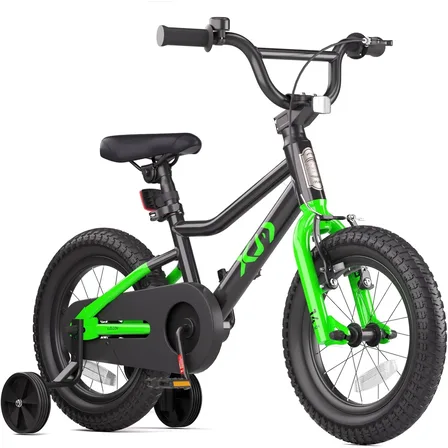
XJD Kids BMX Bike with Training Wheels – Black
XJD Kids BMX Bike with Training Wheels – Black brings the recorded fit, riding a…$99.99
$119.99