

Can a Child Ride a Bike in Sand?
Can a child ride a bike in sand? Loose sand is a poor surface for a beginner because the front tire can dig in or slide, pedaling resistance rises and stopping becomes less predictable. A bicycle that crosses a thin sandy patch is not automatically designed for beaches or dunes. Follow the exact model's approved terrain and choose firm, clear ground for learning.
Understand how sand changes control
A narrow or small tire can sink into soft material, making the handlebar turn unexpectedly. Sand may also hide holes, glass, shells or other sharp objects. Children who are still learning often react with an abrupt steering correction. Reduce risk by avoiding the patch rather than trying to power through it.
Choose the first practice surface
Use a flat, dry, traffic-free paved area with enough room for wide turns and stops. Walk the route and remove debris. Grass can soften some falls but adds rolling resistance; loose sand and gravel reduce predictable traction. Match the practice area to the child's current skills and the manual.
Teach a stop-and-walk rule
If sand appears across a path, teach the child to slow and stop before it, dismount and walk the bicycle around or across only with adult guidance. Do not encourage a sudden turn at the edge. Young riders should not enter beaches, construction areas or roadside shoulders simply because adults can ride there.
Clean and inspect after contact
Sand can remain around the chain, brakes, wheel and training-wheel hardware. Keep the bicycle stationary and clean it only as the manufacturer directs. Spin and brake-test each wheel before the next ride. Seek service for grinding, binding, tire damage or controls that no longer move normally.
How the current product examples fit
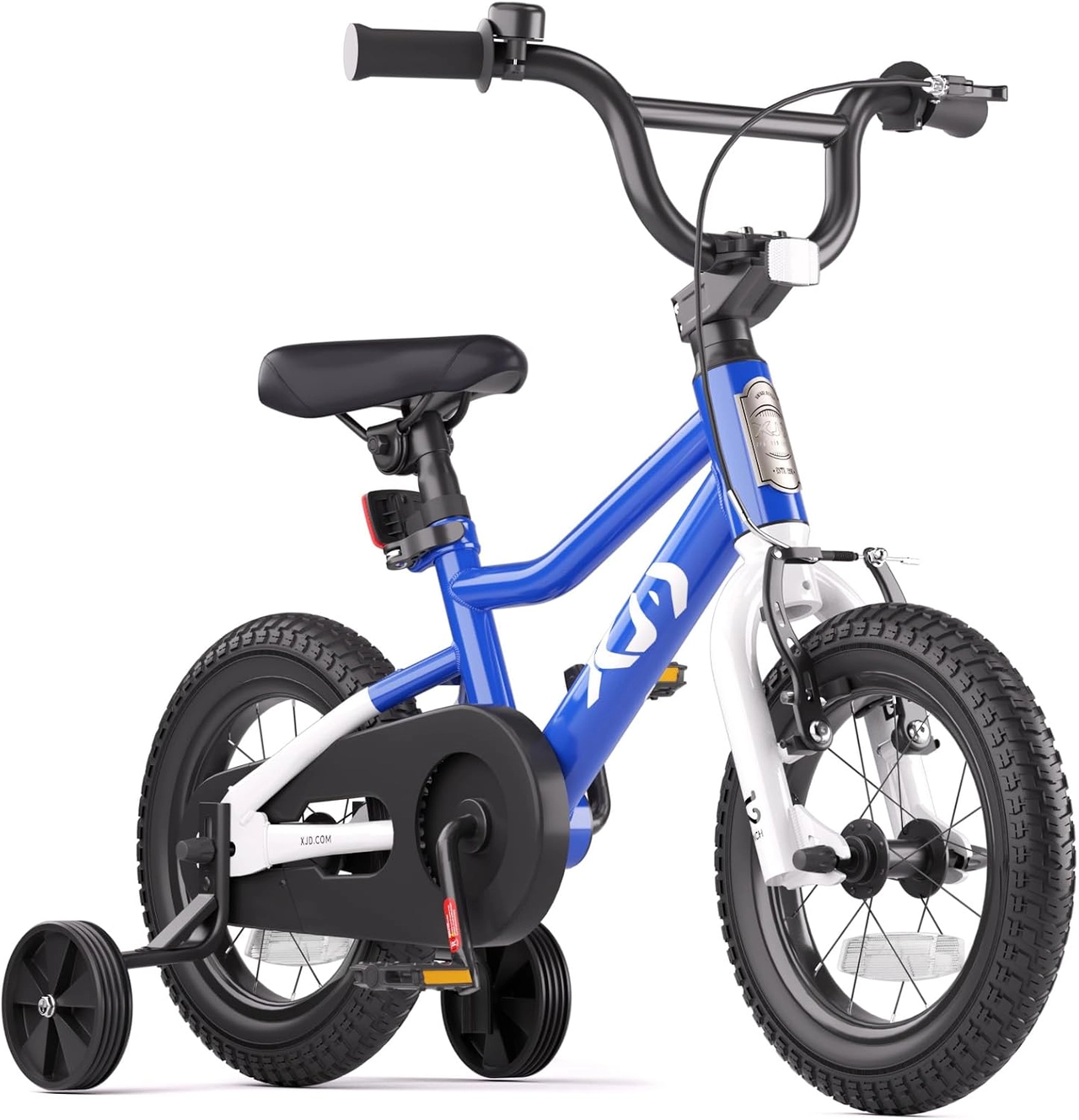
The blue XJD training-wheel bike and kids BMX provide current small-wheel examples. Neither catalog style alone proves suitability for loose sand; the selected option and manual decide permitted use. See XJD Kids Bike Blue, XJD Kids BMX Bike with Training Wheels – Blue for the exact current options and specifications.
Quick checklist
- Avoid loose sand for learning.
- Walk the route before riding.
- Stop before low-traction patches.
- Dismount and walk when needed.
- Inspect wheels, chain and brakes afterward.
Common questions
Are wide BMX tires safe on a beach?
Tire appearance alone is not approval for sand. Check the specific bike, rider skill and manufacturer instructions.
Is packed sand the same as pavement?
No. Moisture, depth and hidden soft spots can change quickly, so use only surfaces the bicycle manual permits.
Explore related guides
Use the kids-bike collection and kids-BMX collection to compare other suitable configurations without assuming every model has the same features.
Bottom line
For a child building basic control, predictable ground is more useful than challenging terrain. Stop, dismount and walk around loose sand whenever possible.
Bikes for your next adventure
XJD Kids Bike Blue
XJD Kids Bike Blue brings the recorded fit, riding and configuration details tog…$139
$159
XJD Kids Bike Purple
XJD Kids Bike Purple brings the recorded fit, riding and configuration details t…$139
$159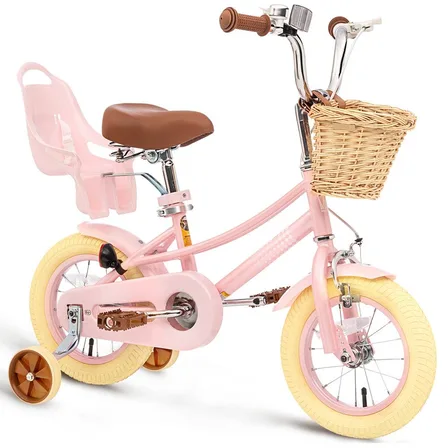
XJD Kids Bike Pink
XJD Kids Bike Pink brings the recorded fit, riding and configuration details tog…$139
$159