

Confidence on Two Wheels: The Psychology of Learning to Ride
Ask adults who never learned to ride and you'll hear the same word: fear. The psychology of learning — and unlearning fear — is the real curriculum of a first bike.
Competence precedes confidence, never the reverse. That's why the pedals-off method works: it shrinks the scary thing (falling) until it's manageable (feet flat on the ground), lets the child win repeatedly, and lets confidence accumulate from evidence. Every glide on a balance bike like the Toddler Training Balance Bike Blue | XJD is proof: 'I didn't fall. I can do this.'
Confidence isn't given — it's collected, glide by glide.
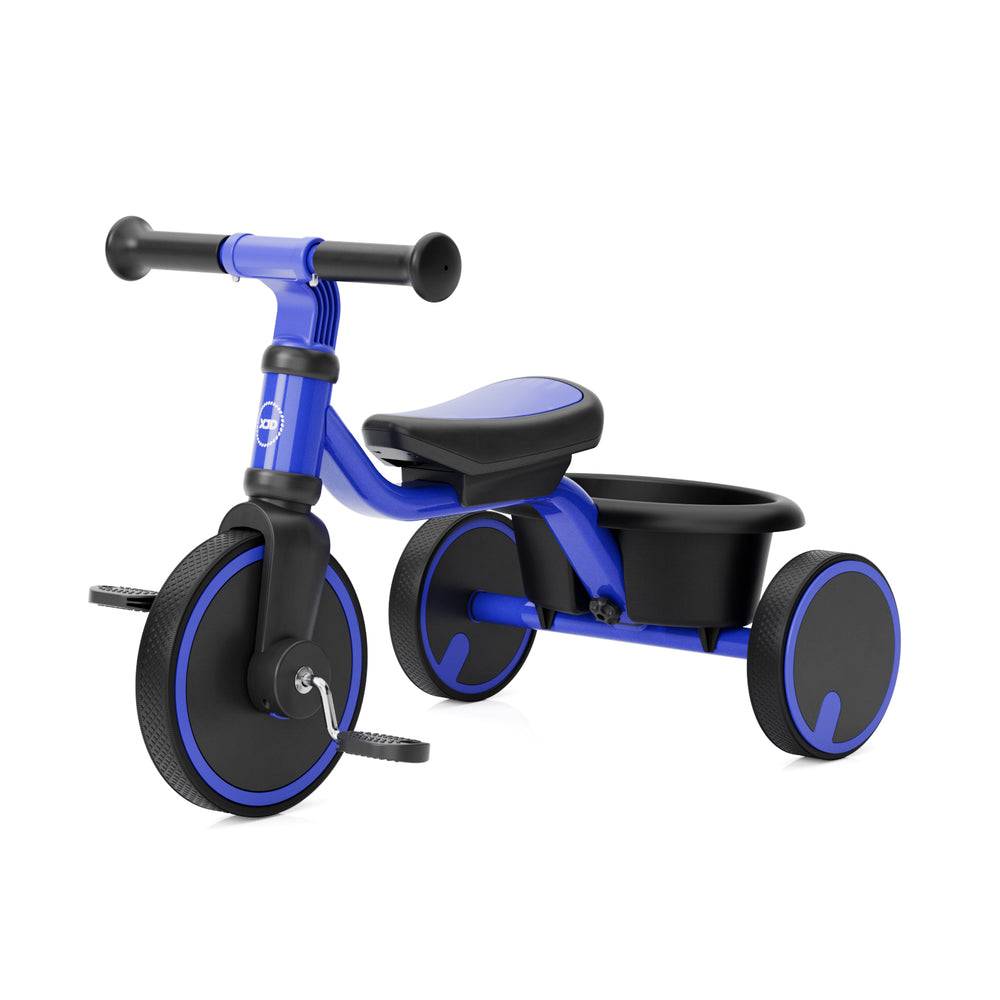
See the Toddler Training Balance Bike Blue | XJD for current colors and sizing.
The parent's role is narrower than instinct says: set up the wins, then stay out of the way. Praise process ('you caught yourself that time!') over outcomes. Never compare to siblings or friends. And when they fall — the average learner falls a dozen times — the script is cheerful neutrality: 'You're okay. Want to go again?' The child reads your face to know how scared to be.
The payoff generalizes far past cycling. A child who has felt fear shrink through practice — who has personally experienced 'I couldn't, then I could' — carries that template into every hard thing that follows. The bike just makes the lesson legible.
Bikes for your next adventure
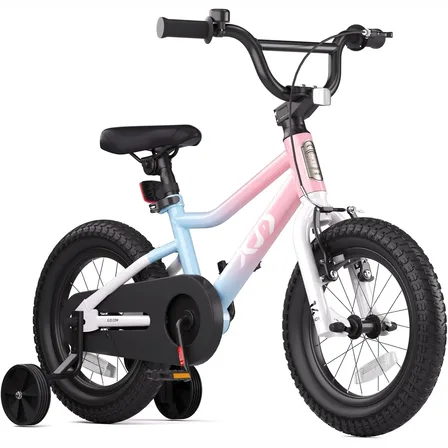
XJD Kids BMX Bike with Training Wheels – Pink Blue
8 reviews
XJD Kids BMX Bike with Training Wheels – Pink Blue brings the recorded fit, ridi…$99.99
$119.99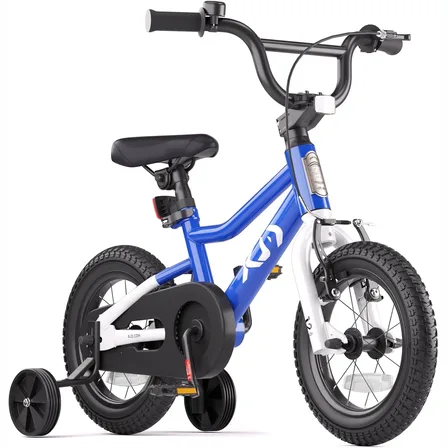
XJD Kids BMX Bike with Training Wheels – Blue
8 reviews
XJD Kids BMX Bike with Training Wheels – Blue brings the recorded fit, riding an…$99.99
$119.99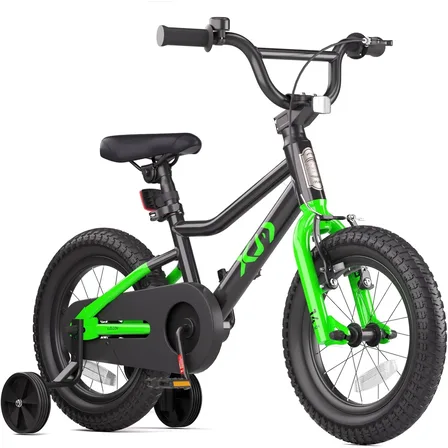
XJD Kids BMX Bike with Training Wheels – Black
XJD Kids BMX Bike with Training Wheels – Black brings the recorded fit, riding a…$99.99
$119.99