

Kids Bike Chain Rust: Clean or Replace?
Kids bike chain rust often appears after wet rides, damp storage or a bike that was not dried. A light surface film is different from deep corrosion, stiff links or material flaking away, but a child should not pedal through binding to test the difference. Support the bicycle securely and let an adult inspect the full chain, sprockets and rear-wheel area before deciding on cleaning or replacement.
Rotate and inspect safely
Turn the crank slowly by hand only while keeping fingers, hair and clothing away from the chainring and rear sprocket. Watch every link for orange color, pitting, swelling, cracks, stiff movement or plates that no longer sit evenly. Stop for skipping or binding. Do not scrape a moving chain or let a child power the pedals during inspection.
Clean only intact light corrosion
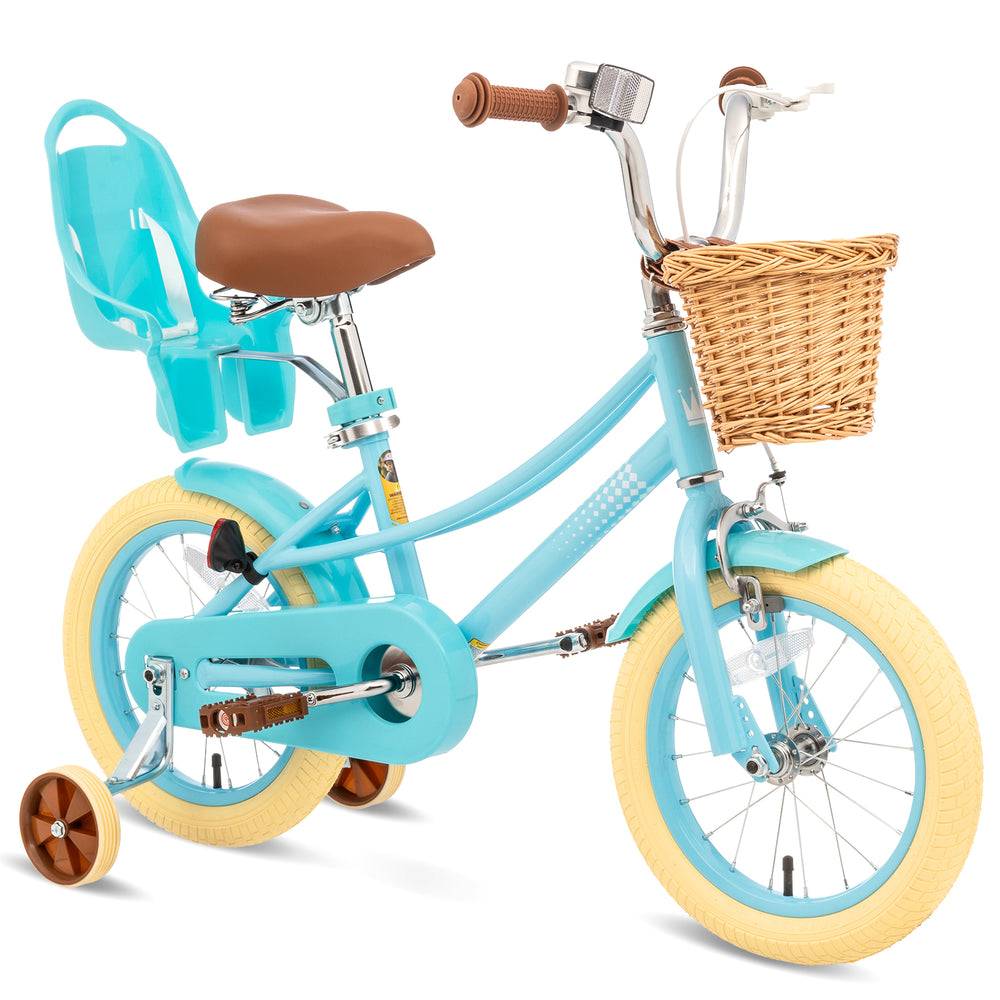
Follow the bicycle or chain maker's approved cleaning method and protect rims, brake pads and tires from cleaner and lubricant. Wipe away loosened dirt and dry the chain completely. Do not soak the complete bicycle, use aggressive household chemicals or assume a shiny surface means hidden link pins remain sound.
Replace damaged or persistently stiff parts
Deep pits, cracked plates, seized links, heavy flaking or a chain that will not articulate normally need qualified assessment and compatible replacement. A new chain must match the drivetrain. A mechanic should also inspect worn sprockets and chainring teeth, because one corroded component can affect how a replacement engages.
Prevent a quick return
After a dry ride or cleaning, use only the specified lubricant amount and wipe excess from the outer plates. Store the bike in a dry ventilated place rather than under a wet cover. Before return, confirm chain movement, wheel security and both brakes, then use a low-force seated pedal test on level ground.
How the current product examples fit
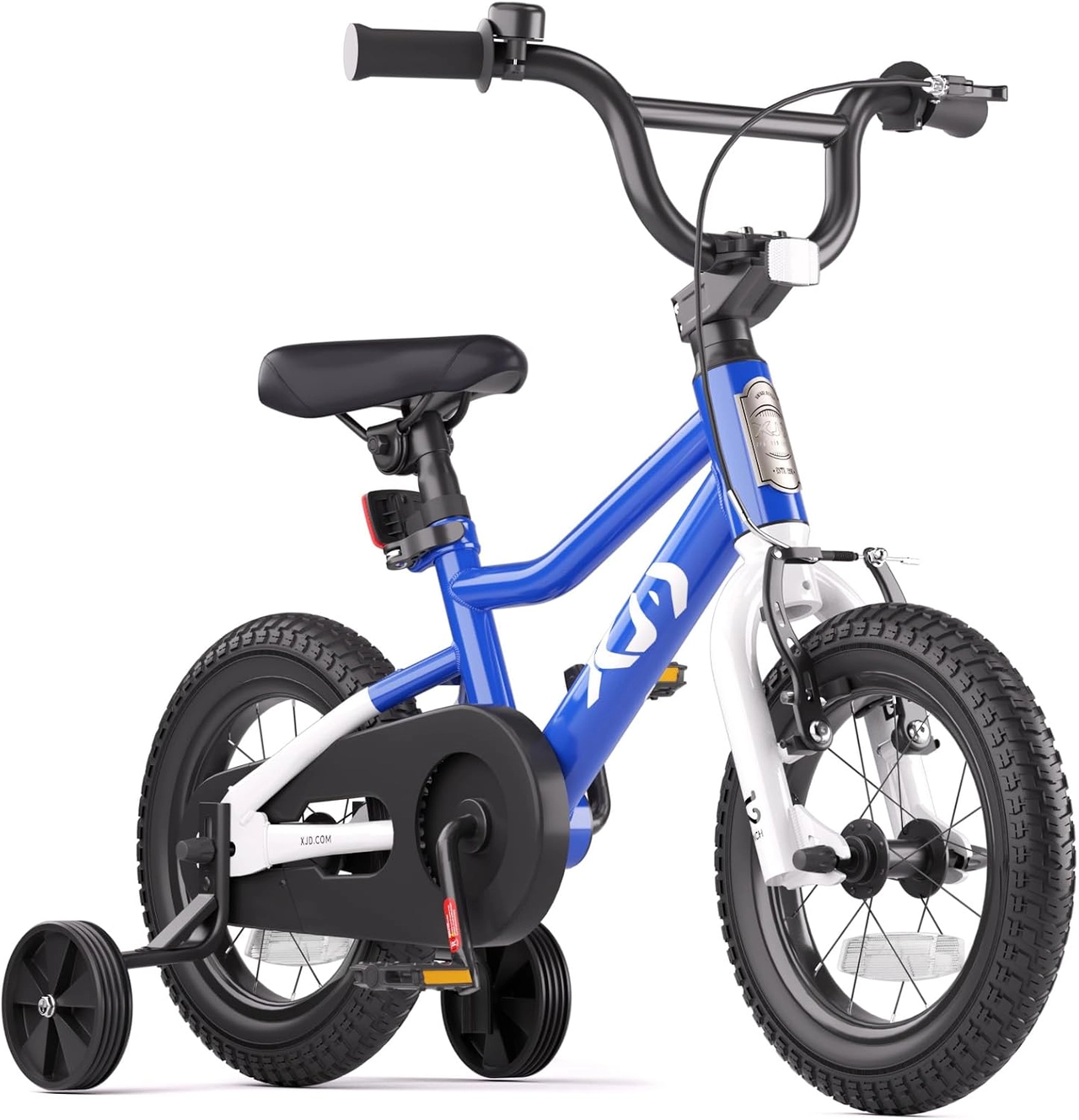
The blue XJD kids bike and blue XJD BMX example use different sizes and configurations, but both rely on a clean, flexible chain. Match replacement length and drivetrain parts to the selected bicycle rather than the product family name. See XJD Kids Bike Blue, XJD Kids BMX Bike with Training Wheels – Blue for the exact current options and specifications.
Quick checklist
- Keep hands away from moving sprockets.
- Inspect every link in good light.
- Protect brakes from cleaner and oil.
- Replace pitted or seized components.
- Dry the bike before storage.
Common questions
Is a little orange color automatically unsafe?
Not always, but it needs cleaning and inspection. Pitting, stiffness, damaged plates or recurring rust change the decision toward service or replacement.
Can cooking oil lubricate a kids bike chain?
No. Use only a bicycle-compatible product and the method specified for the drivetrain.
Explore related guides
Use the kids-bike collection and kids-BMX collection to compare other suitable configurations without assuming every model has the same features.
Bottom line
Judge rust by link condition and movement, not color alone. Clean only intact surface corrosion, replace genuinely damaged parts and correct damp storage before the child pedals again.
Bikes for your next adventure
XJD Kids Bike Blue
XJD Kids Bike Blue brings the recorded fit, riding and configuration details tog…$139
$159
XJD Kids Bike Purple
XJD Kids Bike Purple brings the recorded fit, riding and configuration details t…$139
$159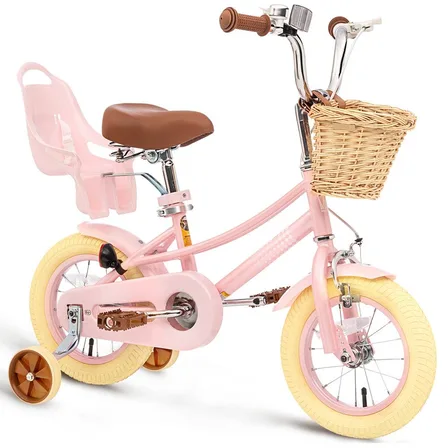
XJD Kids Bike Pink
XJD Kids Bike Pink brings the recorded fit, riding and configuration details tog…$139
$159