

Kids' Bike Helmets: Types, Standards and Choices
All helmets protect, but the categories differ in ways that matter for children: fit systems, coverage, and what activity they're certified for. A plain-language map of the market.
Certification first: look for CPSC (US) sticker — it's the legal minimum and the baseline of protection. Beyond that, kids' helmets divide into three practical types: the classic skate-style (hard shell, more coverage, heavier), the standard vented cycling helmet (light, cool, like most of the XJD Kids Bike Helmet & Protective Gear Set – Orange line), and the toddler-specific flat-back shape for bike seats and trailers.
CPSC sticker first; then choose the shape that matches the riding.
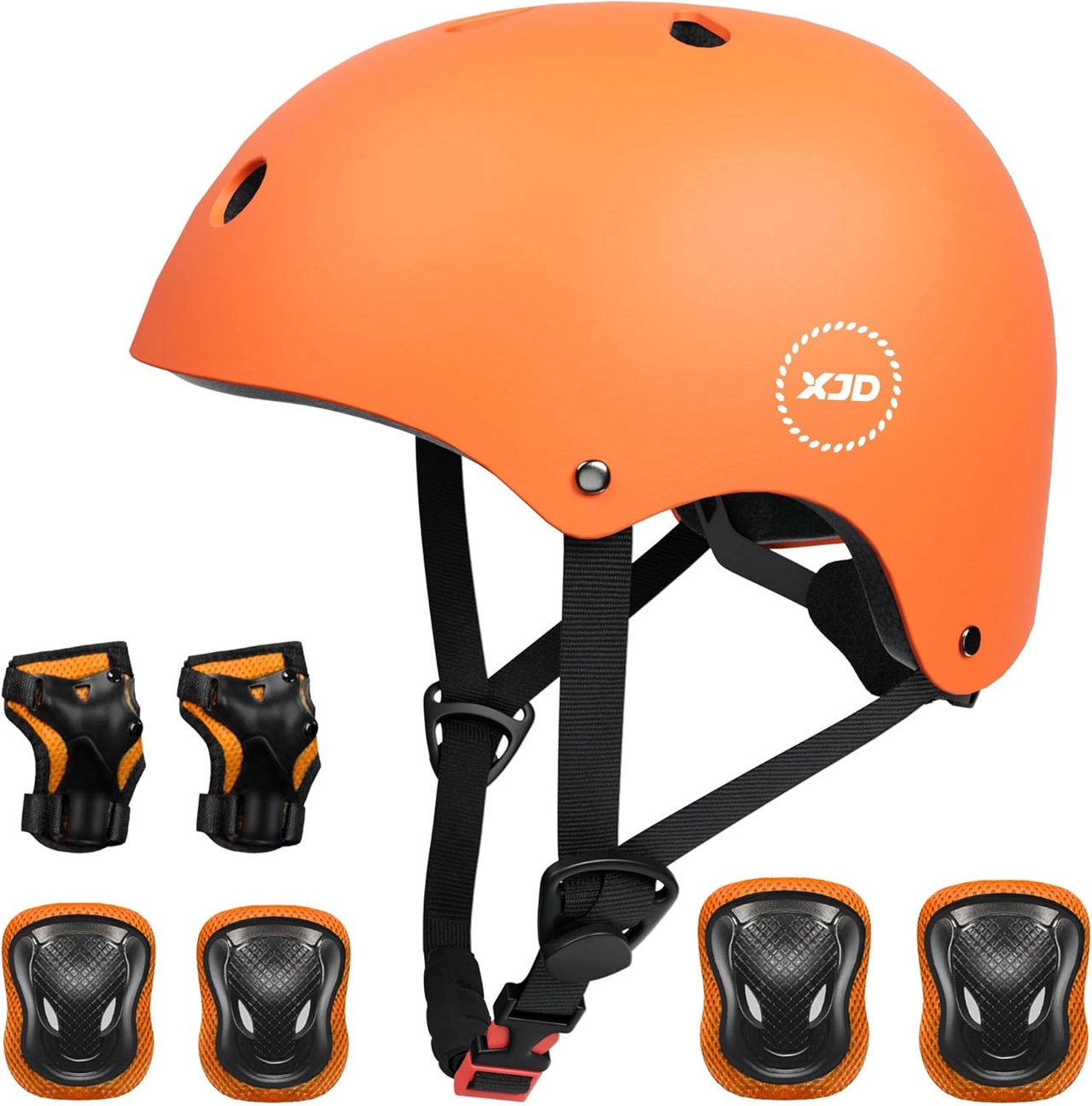
See the XJD Kids Bike Helmet & Protective Gear Set – Orange for current colors and sizing.
Fit systems differ meaningfully: dial-adjust at the back (the best — grows with the child and secures the helmet properly), pad-fit only (budget models; acceptable if snug), and MIPS-style rotational liners (a genuine upgrade for crash protection, worth it if the budget allows).
The selector logic: toddler in a seat or on a balance bike — flat-back with dial. School-age rider — vented with dial, bright color they chose themselves. Skatepark or BMX habits — consider skate-style with more coverage, or a full-face for the dedicated. Every child, every ride, no exceptions.
Bikes for your next adventure
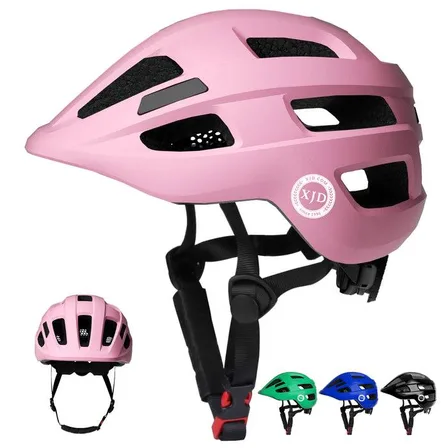
XJD Kids Bike Helmet
XJD Kids Bike Helmet makes helmet selection clearer: measure first, then choose …$59.99
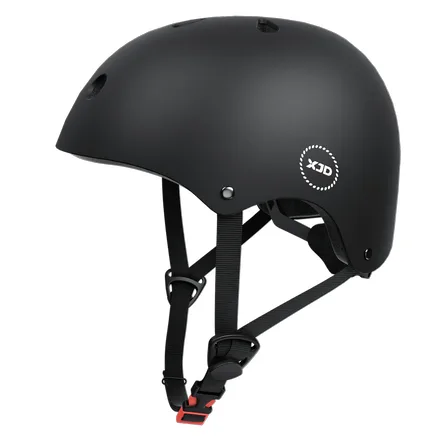
XJD Kids Bike Helmet Protective Gear Set
XJD Kids Bike Helmet Protective Gear Set makes helmet selection clearer: measure…$59.99
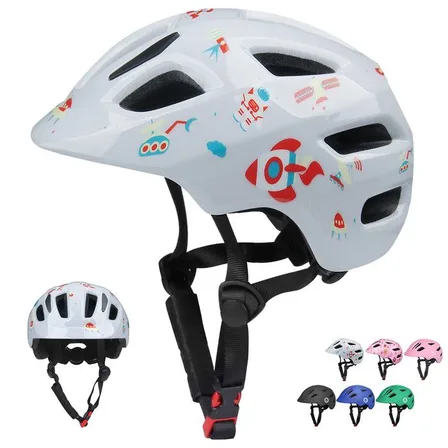
XJD White Astronaut Kids' Bike Helmet
4 reviews
XJD White Astronaut Kids' Bike Helmet makes helmet selection clearer: measu…$59.99