

Kids Bike Parked Cars: Choose Practice Space Away from Doors
Kids bike parked cars create a practice-space problem even when the vehicles are not moving. Doors can open, people can step out and a driver may reverse with little warning. Choose beginner riding space away from those interactions instead of using a quiet-looking parking row as a convenient first lesson area.
Assess kids bike parked cars as changing obstacles
A stationary car can become an active hazard when an occupant opens a door or a vehicle begins to move. A child may not notice someone seated inside. Do not use a fixed gap beside parked vehicles as a steering target or assume empty-looking spaces will remain empty. Inspect the whole area, including entrances and reversing routes, before deciding where practice belongs.
Separate unloading from riding
If the family arrives by car, keep the child off the bicycle while an adult unloads and performs the ready-to-ride check. Walk to a suitable clear area before beginning. Do not start practice from behind the family vehicle or ask the child to weave between luggage and open doors. The transport area and riding area serve different purposes and need a clear transition.
Do not solve the location with brighter equipment
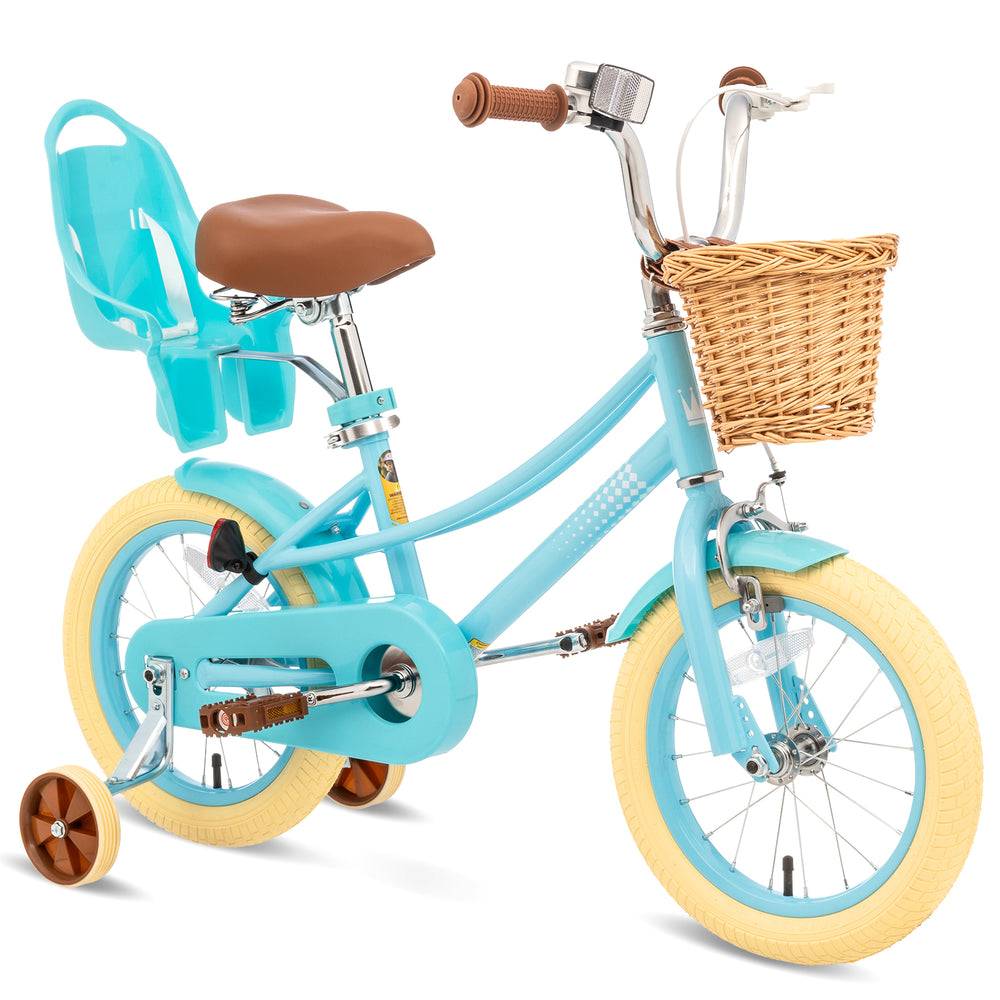
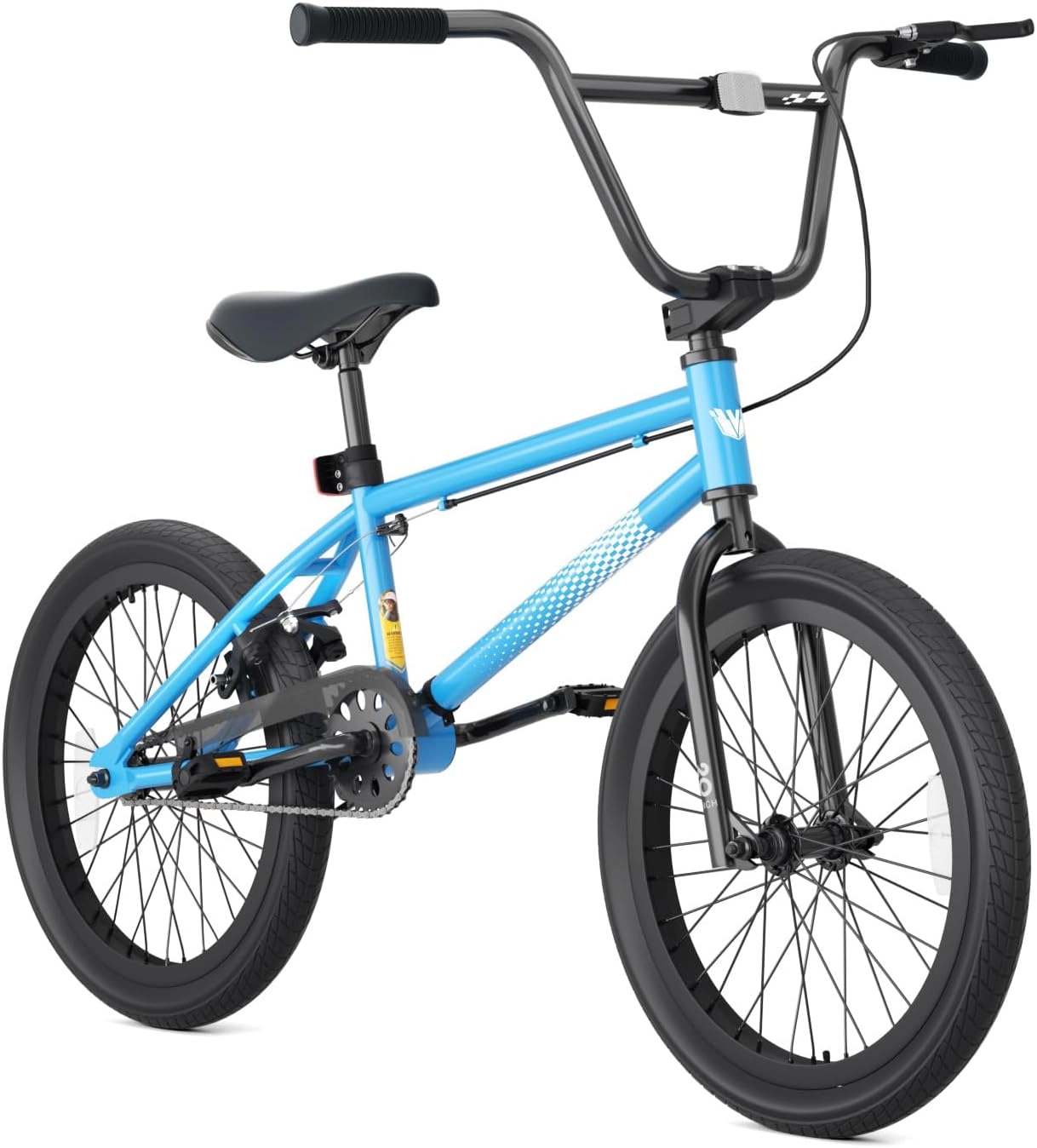
The Blue kids-bike example has beginner-oriented controls and removable training wheels; the Blue 20-inch BMX example is single-speed without pegs. Their different equipment does not change the need for appropriate practice space. A helmet, bell or bright finish cannot make door-opening zones a controlled beginner course. Check fit and braking before riding, then choose a location with fewer unpredictable interactions.
Keep road learning separate from first control practice
Where a child eventually rides near traffic requires a broader assessment of ability, supervision and local rules. This article does not give a universal clearance distance or authorize independent road use. For the immediate lesson, choose level, dry, traffic-free space with room to stop. Pause if vehicles enter that area rather than continuing around them to preserve the planned session.
Model details relevant to this task
The linked models show a training-wheel option and a separate 20-inch freestyle-style configuration. Pick by current fit and controls, not by the hope that a particular style will handle a parking hazard. Neither listing changes the environment checks that a supervising adult must make. The linked model details are available for XJD Kids Bike Blue, XJD 20-Inch Freestyle BMX Bike without Pegs – Blue.
Quick checklist
- Look for door-opening zones.
- Check entrances and reversing routes.
- Walk away from unloading space.
- Choose traffic-free practice ground.
- Pause if vehicles enter.
Common questions
Is an empty parking space suitable for a first lesson?
Not just because it is empty now. The surrounding vehicle movements, doors and access routes still need assessment.
Can training wheels make riding beside cars acceptable?
No. They do not control vehicle doors, visibility or traffic interactions. Use suitable practice space away from those hazards.
Related collections
The children's bicycle fit options and children's training-wheel bicycle choices provide further model details. Check the exact selected configuration when planning fit, handling and care.
Before the next outing
Handle kids bike parked cars concerns by choosing a clearer practice location, not by adding confidence demands to the lesson. Keep unloading, early control practice and traffic learning as separate activities.
Bikes for your next adventure
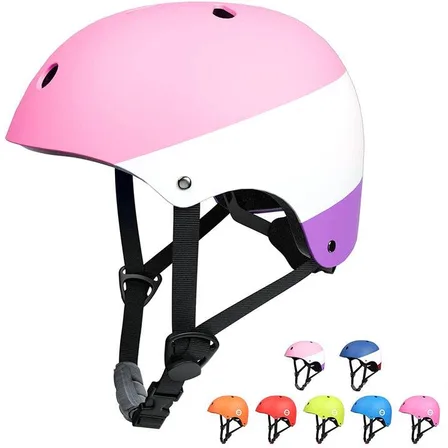
XJD Kids Bike Helmets
XJD Kids Bike Helmets makes helmet selection clearer: measure first, then choose…$59.99
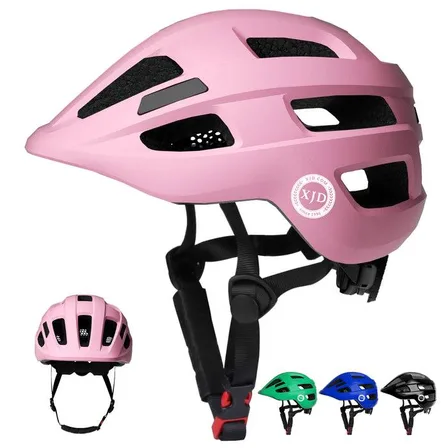
XJD Kids Bike Helmet
XJD Kids Bike Helmet makes helmet selection clearer: measure first, then choose …$59.99
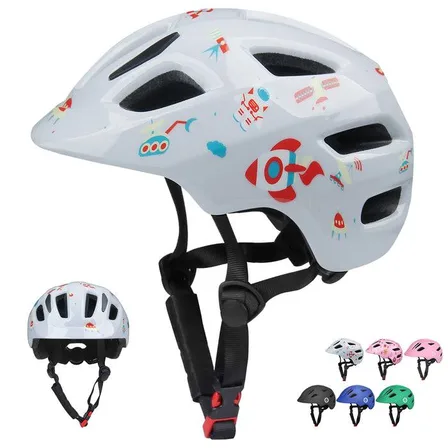
XJD White Astronaut Kids' Bike Helmet
4 reviews
XJD White Astronaut Kids' Bike Helmet makes helmet selection clearer: measu…$59.99