

Kids Bike Practice Cones: Leave a Clear Stopping Area
Kids bike practice cones are useful when they make a lesson clearer, not when they create a tighter course than the rider can manage. Begin with a simple line and an obvious stopping area. Place markers so a beginner does not need to hit a narrow gap, steer toward an adult or stop immediately beside a rigid obstacle.
Use kids bike practice cones to describe space
An adult should inspect the surface first and choose level, dry, traffic-free practice ground. Set markers outside the intended wheel line to show a broad area, rather than placing objects where the child must ride over them. Use suitable visible markers and keep bags or bottles out of the course. The rider should understand where to begin, where to travel and where to stop.
Teach one task before creating a course
For an early lesson, a controlled short start and stop may be enough. Add a broad turn only when the rider can stop predictably. Do not combine weaving, speed changes and hand signals in the first attempt. If the child fixates on a cone instead of looking through the clear route, simplify the layout and explain the intended path again while stationary.
Leave room beyond the stopping marker
A marker identifies a goal; it is not a barrier that will stop the bicycle. Keep ample clear space beyond it and keep supervising adults outside the rider's path. Do not make the last cone a wall-side finish line or set a downhill approach. Move the course if other users enter the area, and pause instead of demanding that the child ride around them.
Match the lesson to the supplied controls
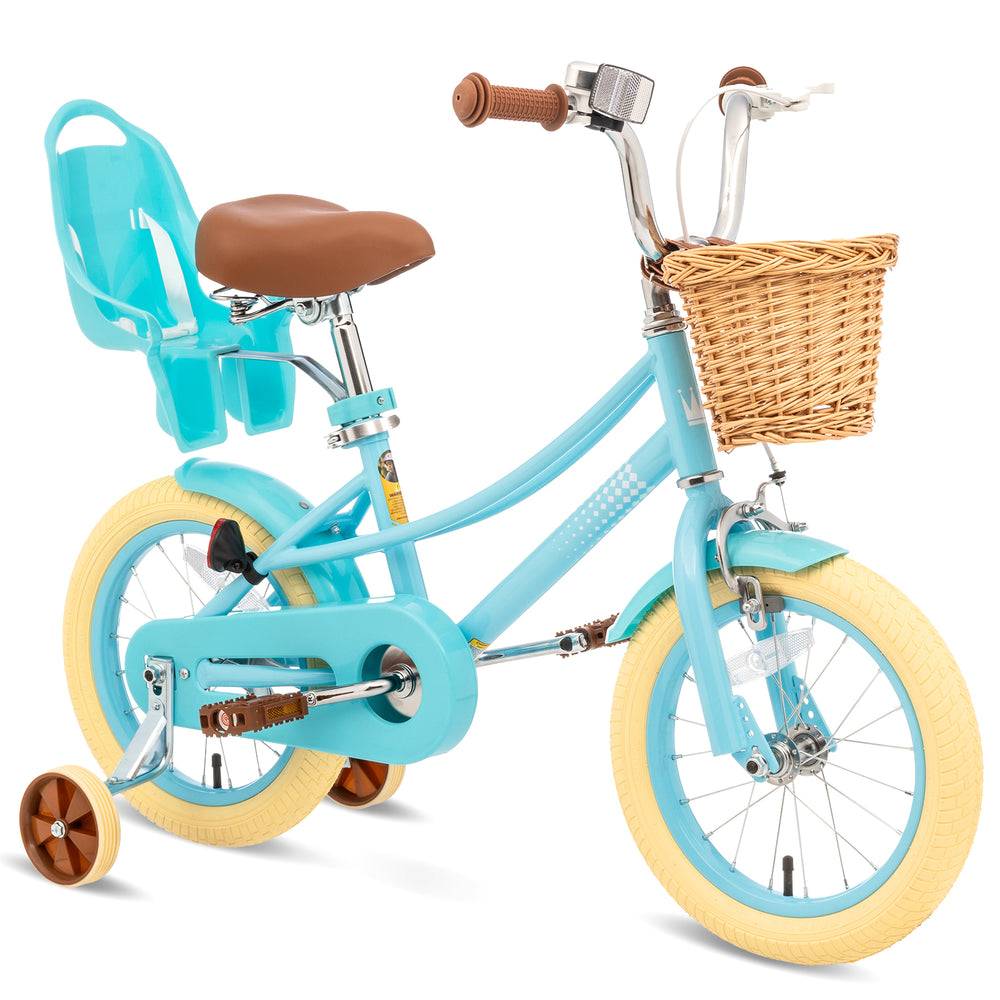
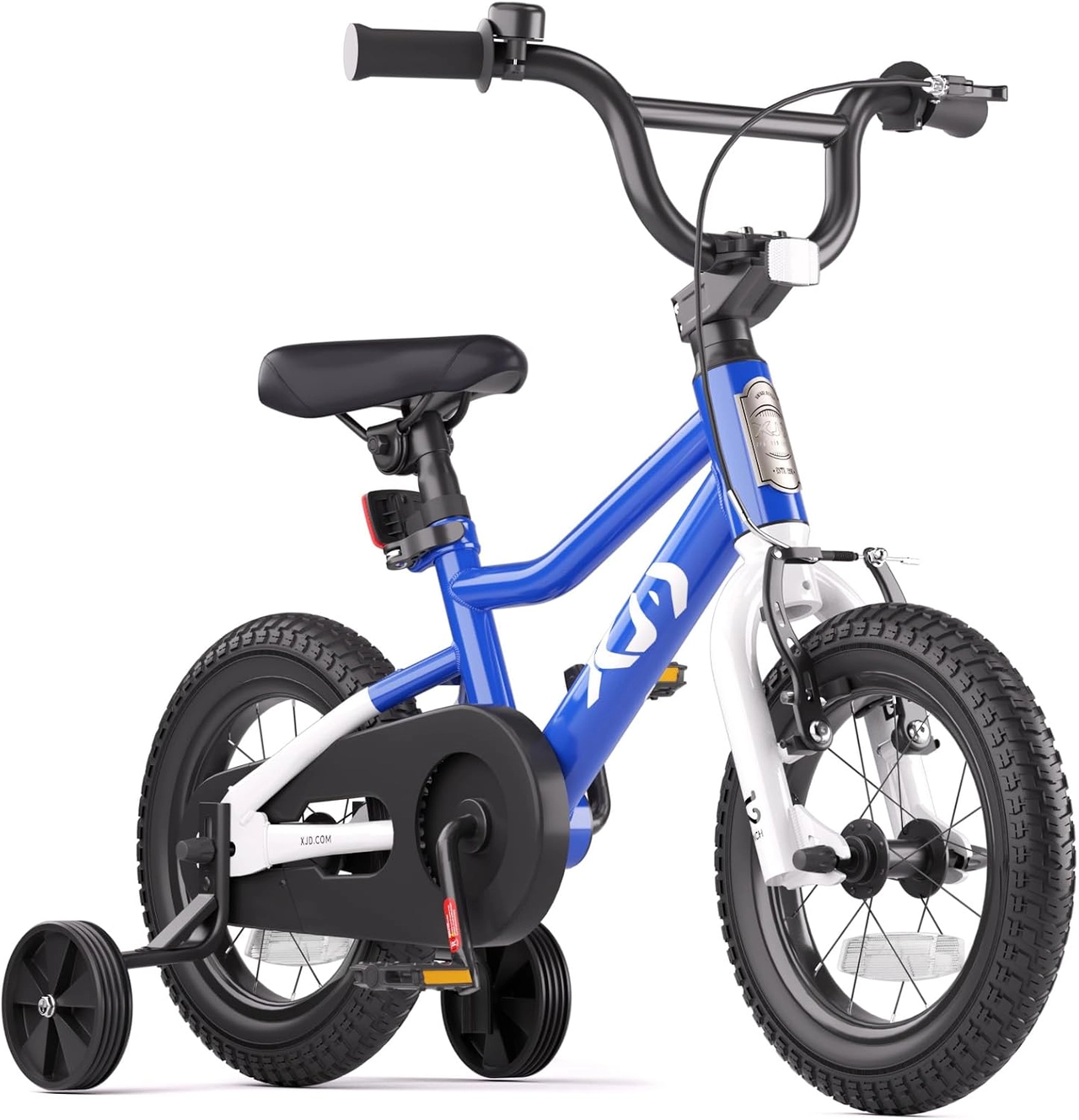
The Blue kids-bike model lists short-reach controls and removable training wheels. The Blue BMX-style starter lists a single-speed drivetrain, front caliper brake and rear coaster brake. Identify the exact controls before the lesson; similar Blue paint does not establish the same stopping routine. Use a correctly fitting SKU and inspect the bicycle before introducing any markers.
Model details relevant to this task
Both examples can support a discussion of beginner controls, but their current product pages do not prescribe a cone spacing or guarantee a training result. Set the practice area around the rider's current control and the site's available space, not an invented distance formula. The linked model details are available for XJD Kids Bike Blue, XJD Kids BMX Bike with Training Wheels – Blue.
Quick checklist
- Inspect a level clear surface.
- Keep markers off the wheel line.
- Teach one task first.
- Leave space beyond the stop.
- Pause when other people enter.
Common questions
How many cones does a beginner need?
Only enough to make the single task clear. A complicated layout is not better practice if the child cannot yet stop predictably.
Should a child race between the cones?
Not for initial control practice. Keep speed manageable and assess clear starts, turns and purposeful stops before adding complexity.
Related collections
The children's starter bicycles and BMX-style children's bicycle choices provide further model details. Check the exact selected configuration when planning fit, handling and care.
Before the next outing
Use kids bike practice cones as clear markers around a manageable task. A generous stopping area and simple instructions are more valuable than a dense course or a timed result.