

Kids Bike Starting Pedal Position: A Simple First Push
Kids bike starting pedal position can explain why a child pushes hard yet barely moves. A pedal resting at the bottom of its circle gives little room for a useful first stroke. On level, dry, traffic-free ground, organize the bicycle while stationary: one foot ready to press a raised forward pedal, the other supporting the rider, and clear space to begin pedaling.
Choose a kids bike starting pedal position before moving
A common starting cue is to place the leading pedal forward and above the crank's center, roughly around two o'clock when viewed from the appropriate side. That is a teaching cue, not an exact mechanical setting. Let the child choose a comfortable leading foot and check that the ground-supporting foot can keep the bicycle steady without stretching or wobbling.
Check how this drivetrain allows repositioning
On some freewheeling bicycles the pedals can turn backward to prepare a start; a coaster brake may engage when the rider does that. Identify the actual brake arrangement before teaching either method. Do not make a child fight a brake or force a crank. An adult can help position a stationary bicycle according to its instructions, keeping hands and clothing clear of the chain and wheels.
Pair the first stroke with a forward destination
Ask the child to look toward a clear point ahead, press the ready pedal and bring the ground foot onto its pedal as the bicycle begins moving. Avoid a simultaneous shouted list of corrections. If locating the second pedal takes too much attention, stop after the first attempt and simplify the task. A cycle instructor can help a learner who repeatedly struggles with the transition.
Use model details to check fit, not ability
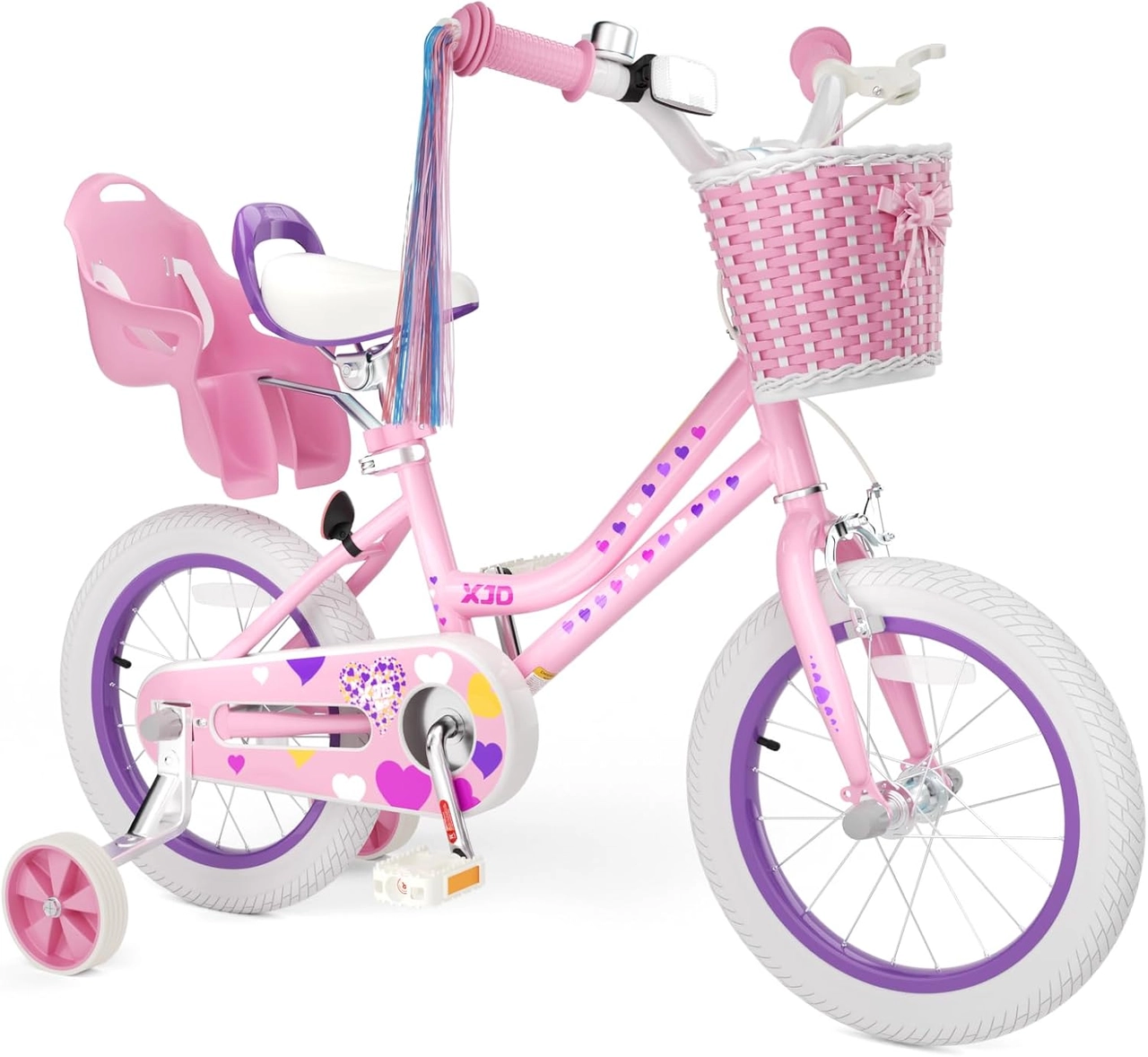
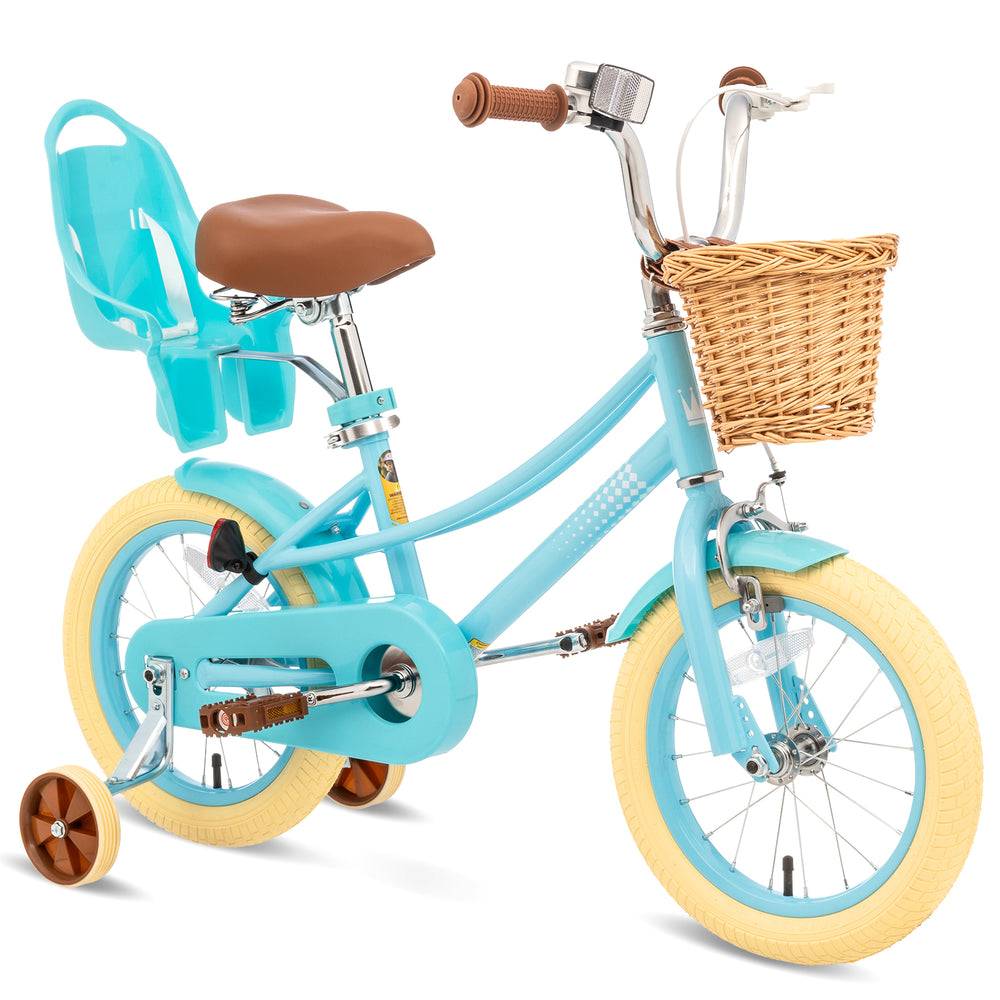
The light-pink XJD basket bike and blue kids bike list several wheel-size options and training wheels. The pink listing also describes a rear coaster brake, so verify the selected configuration before teaching backward pedal repositioning. Choose by current measurements, reach and controlled stopping, not the broad age wording alone. A larger wheel option will not solve an awkward first push caused by poor fit.
Model details relevant to this task
These XJD examples show why the same starting instructions cannot be assumed for every wheel and brake option. Inspect the bicycle delivered to the rider, confirm secure adjustments and leave decorative basket contents out of the lesson. The useful setup is the one the child can hold still and start without rushing. The linked model details are available for XJD Girls Bike with Training Wheels & Basket – Light Pink, XJD Kids Bike Blue.
Quick checklist
- Identify the actual brake and drivetrain.
- Prepare the pedal while stationary.
- Allow a comfortable leading foot.
- Keep the supporting foot stable.
- Look ahead and stop if the launch becomes rushed.
Common questions
Must every child start with the right foot?
No. Let the learner use the foot that makes the movement controlled, then check that the bicycle and teaching method support that choice.
Should the pedal point straight upward?
A pedal at the very top can be awkward to press effectively. A forward, raised position gives a more useful first stroke; a qualified instructor can demonstrate it.
Related collections
The training-wheel bicycle configurations and kids bike wheel options provide further model details. Check the exact selected configuration when planning fit, handling and care.
Before the next outing
A useful kids bike starting pedal position makes the first push clearer, but it works alongside fit, balance and a familiar brake system. Prepare slowly while parked and give the child space to organize the second foot.
Bikes for your next adventure
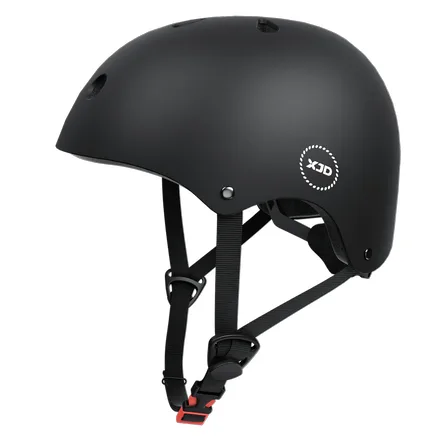
XJD Kids Bike Helmet Protective Gear Set
XJD Kids Bike Helmet Protective Gear Set makes helmet selection clearer: measure…$59.99
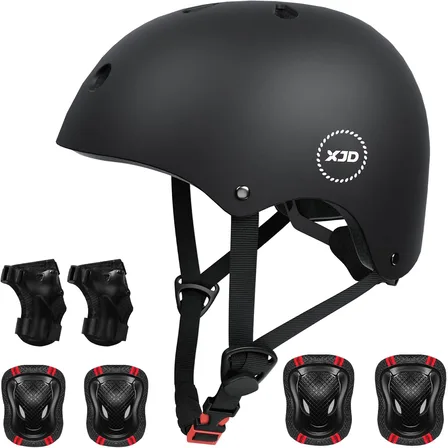
XJD Kids Bike Helmet & Protective Gear Set – Black
10 reviews
XJD Kids Bike Helmet & Protective Gear Set – Black makes helmet selection cl…$23.79
$27.99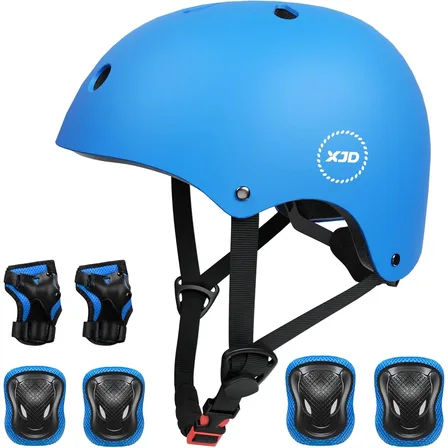
XJD Kids Bike Helmet & Protective Gear Set – Blue
10 reviews
XJD Kids Bike Helmet & Protective Gear Set – Blue makes helmet selection cle…$23.79