

Kids Bike Tire Pressure: A Parent Check
Kids bike tire pressure affects grip, rolling effort and rim protection, but there is no single pressure for every children's bicycle. The correct range is printed on the fitted tire or provided by the manufacturer. An adult should use a compatible gauge before the ride and inspect the tire itself rather than relying only on a quick thumb squeeze.
Read the fitted tire, not a general chart
Find the pressure range and units on each tire sidewall in good light. Front and rear tires may need individual attention, and replacement tires can differ from the originals. Never use a number copied from an adult bike, another size or a web answer that has not seen the actual tire.
Measure when the tire is cool
Check before riding or after the bicycle has rested, using a pump and gauge that match the valve. Add air gradually and stop within the stated range. Avoid service-station compressors that can add air too quickly. Replace the valve cap and confirm the valve does not lean or leak.
Inspect condition while checking air
Look for cuts, cracks, bulges, worn tread, a tire bead lifting from the rim or repeated pressure loss. Correct pressure cannot make a damaged tire safe. Keep the child off the bicycle if the tire will not hold air or the rim, valve or wheel appears damaged.
Finish with the full ABC check
Test both brakes, chain movement and wheel security after setting pressure. A low tire can change training-wheel clearance and braking feel. Conduct a short, low-speed test on dry level ground and recheck any tire that feels soft, handles poorly or loses pressure between rides.
How the current product examples fit
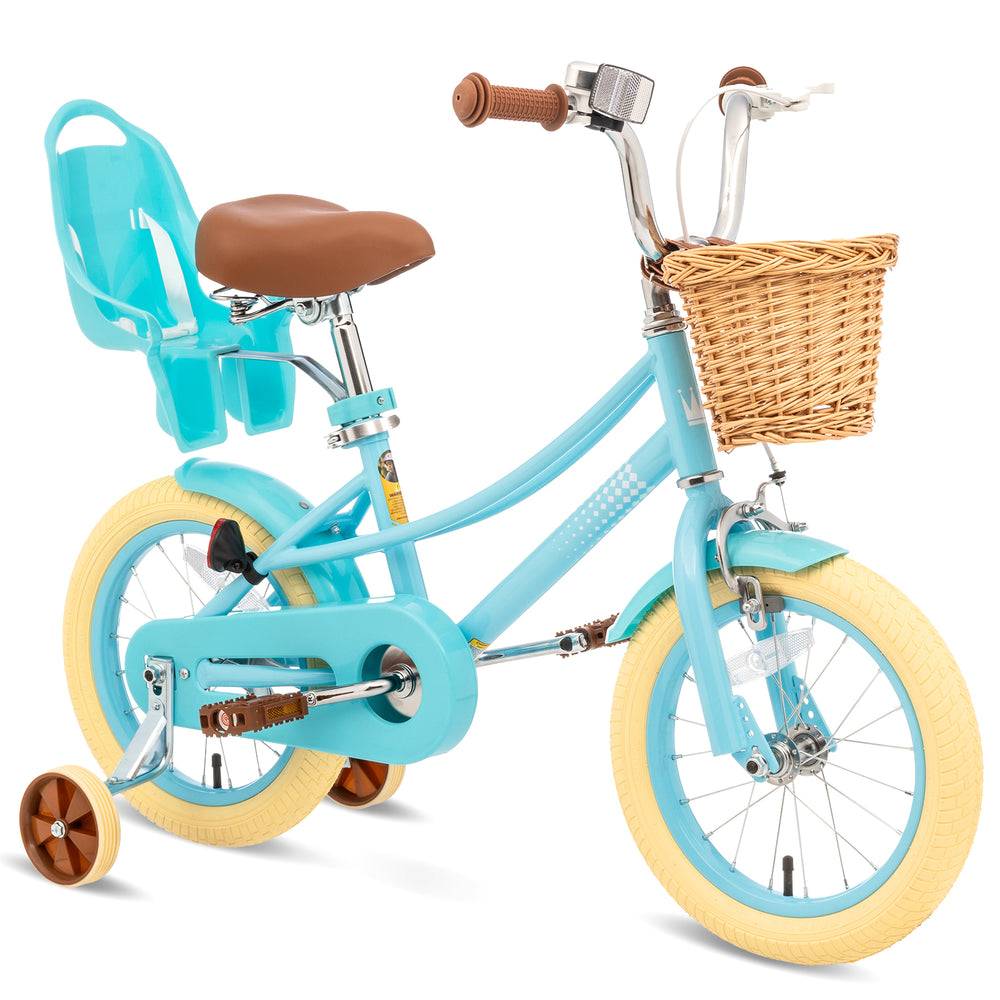
The current blue XJD kids bike is offered in multiple wheel sizes, so the selected tire's own sidewall—not the product family name—provides the pressure limits. See XJD Kids Bike Blue for the exact current options and specifications.
Quick checklist
- Use the fitted tire's marked range.
- Measure with a compatible gauge.
- Add air gradually while cool.
- Inspect tread, sidewall and bead.
- Complete brakes and chain checks too.
Common questions
Is a thumb squeeze accurate enough?
It can reveal a very soft tire, but a gauge is the dependable way to compare with the marked pressure range.
Should kids bike tires use the maximum number?
Not automatically. Stay within the manufacturer's range and follow model guidance for rider and conditions.
Explore related guides
Use the kids-bike collection and training-wheel-bike collection to compare other suitable configurations without assuming every model has the same features.
Bottom line
Use the actual tire marking and a gauge to remove guesswork. Pressure belongs in a complete pre-ride check that also catches leaks, cuts and wheel problems.
Bikes for your next adventure
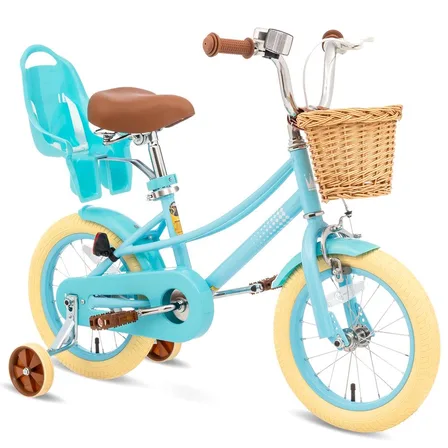
XJD Kids Bike Blue
XJD Kids Bike Blue brings the recorded fit, riding and configuration details tog…$139
$159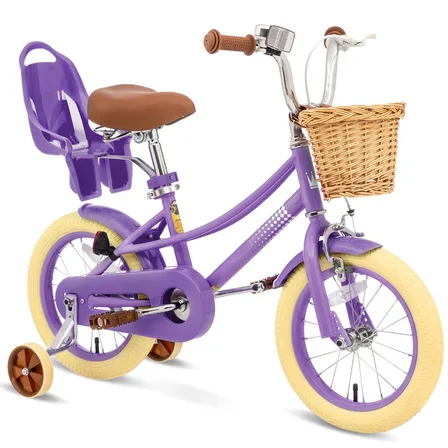
XJD Kids Bike Purple
XJD Kids Bike Purple brings the recorded fit, riding and configuration details t…$139
$159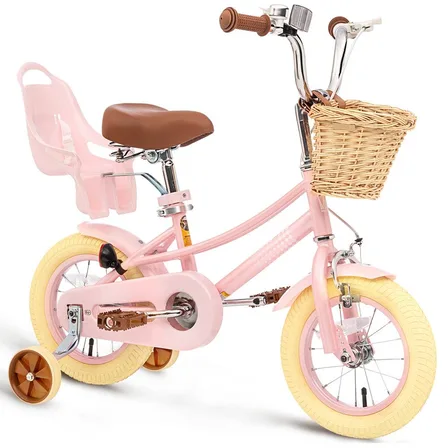
XJD Kids Bike Pink
XJD Kids Bike Pink brings the recorded fit, riding and configuration details tog…$139
$159