

Kids Bike with Training Wheels: When to Remove Them Safely
A kids bike with training wheels is ready for a change when the rider shows repeatable control, not when a calendar says it is time. Training wheels can help with pedaling and braking, while the transition to two wheels asks for balance, steering and reliable stops. Use the actual bicycle, the child's fit and a short practice plan to decide when to remove them.
Look for readiness rather than a birthday
A rider may be ready when they look ahead, pedal without staring at the chain, steer through a wide turn, use the installed brakes and stop on command. Notice whether one support wheel carries the bicycle through every turn. If the child leans heavily on a stabilizer or cannot reach a brake, continue supported practice and revisit fit first.
Check the bike before changing hardware
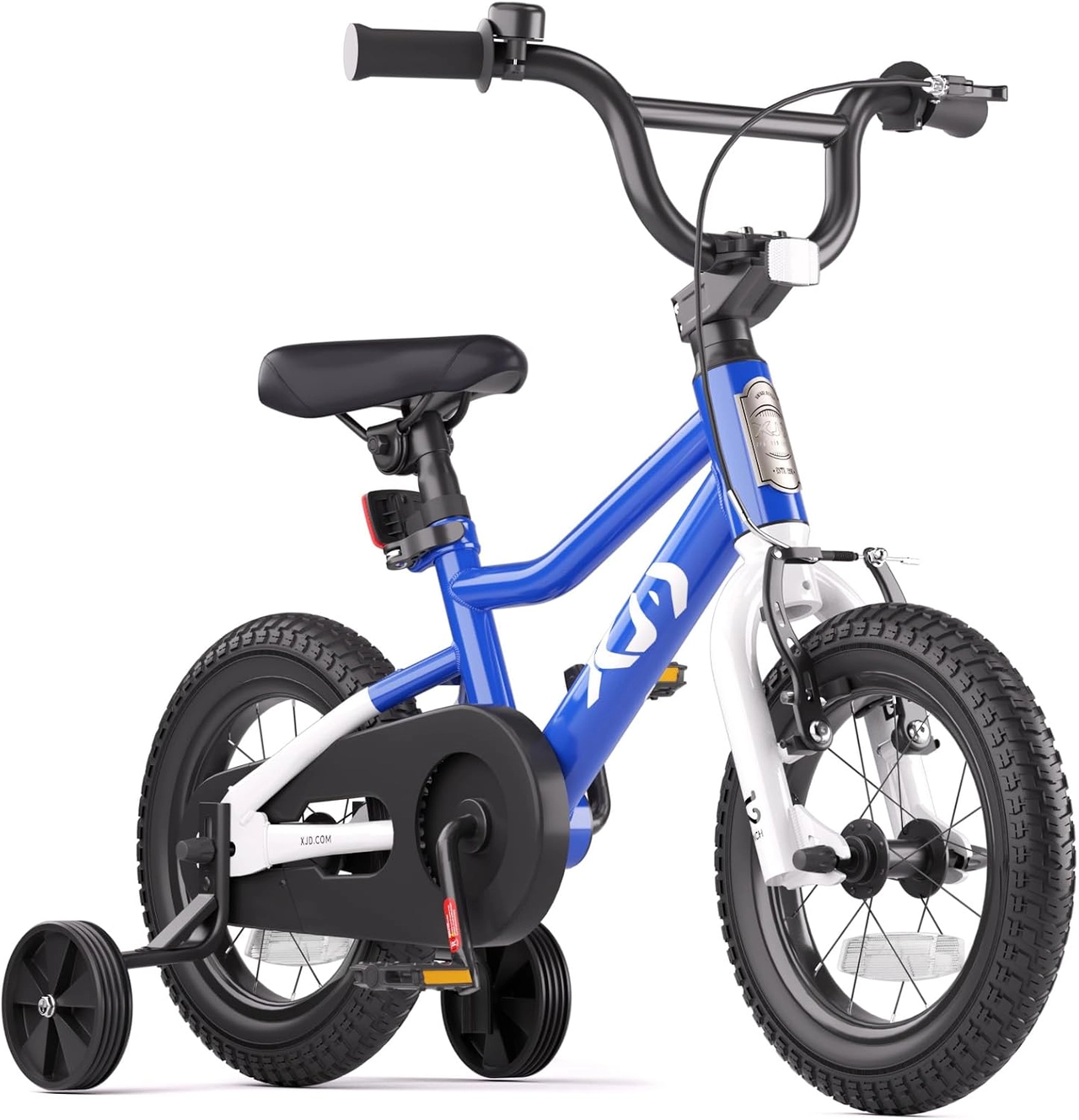
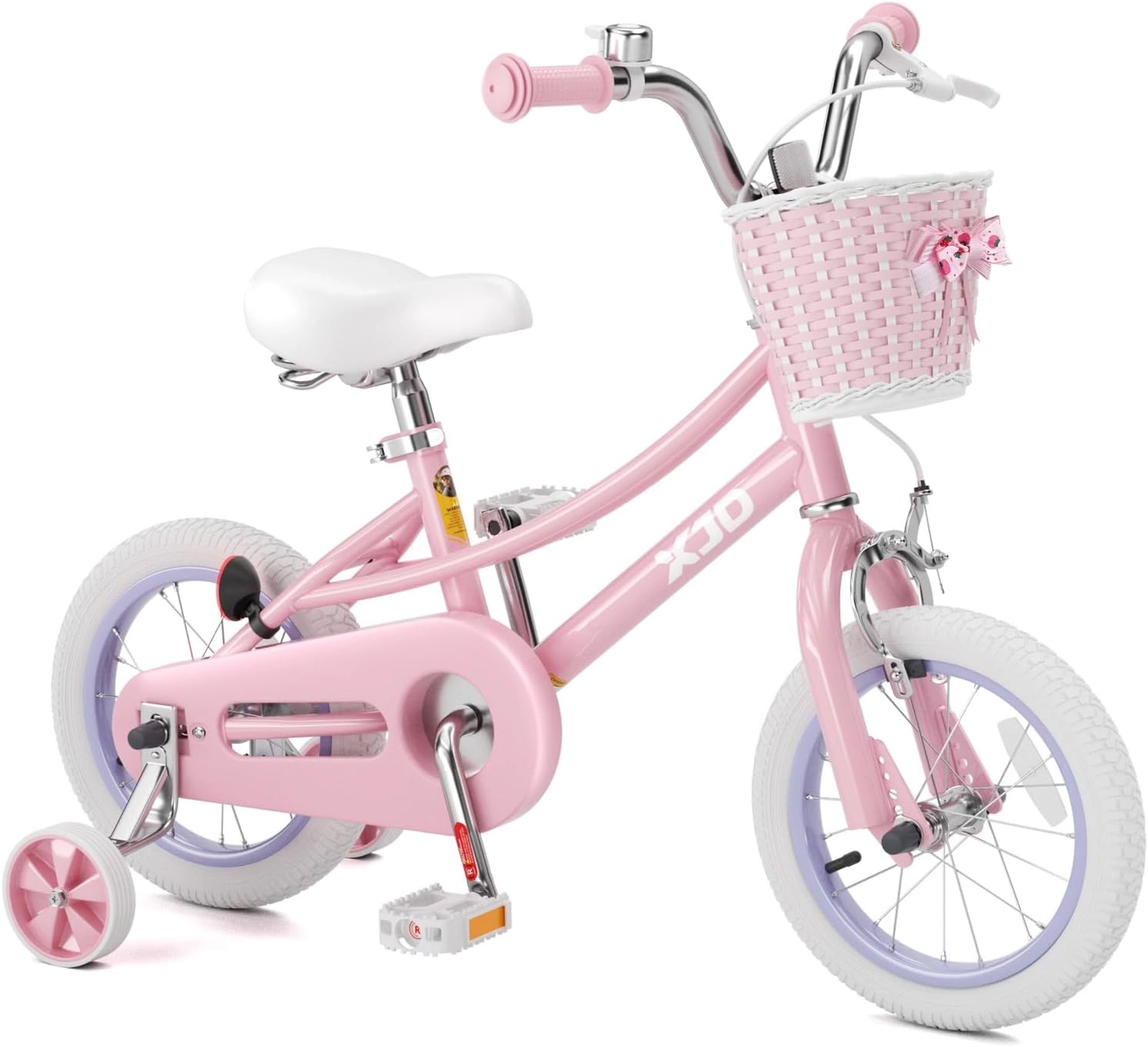
Measure the child's height and inseam, then confirm the saddle and handlebar are within the marked range. Inspect tires, wheels, chain guard, pedals, steering and both brakes. The XJD Blue and Pink training-wheel models cover several small-wheel configurations, so the selected option matters. Remove or reposition supports only with the exact assembly instructions and all supplied hardware.
Build balance in a quiet area
Choose dry, level ground away from traffic, slopes, water and parked vehicles. Fit the helmet and keep the first attempts short. Let the child practice gliding or walking the bicycle as the model instructions allow, while an adult supports the torso or saddle rather than steering the handlebar. Small corrections are more useful than a long ride that ends in fear.
Practice starts, turns and stops separately
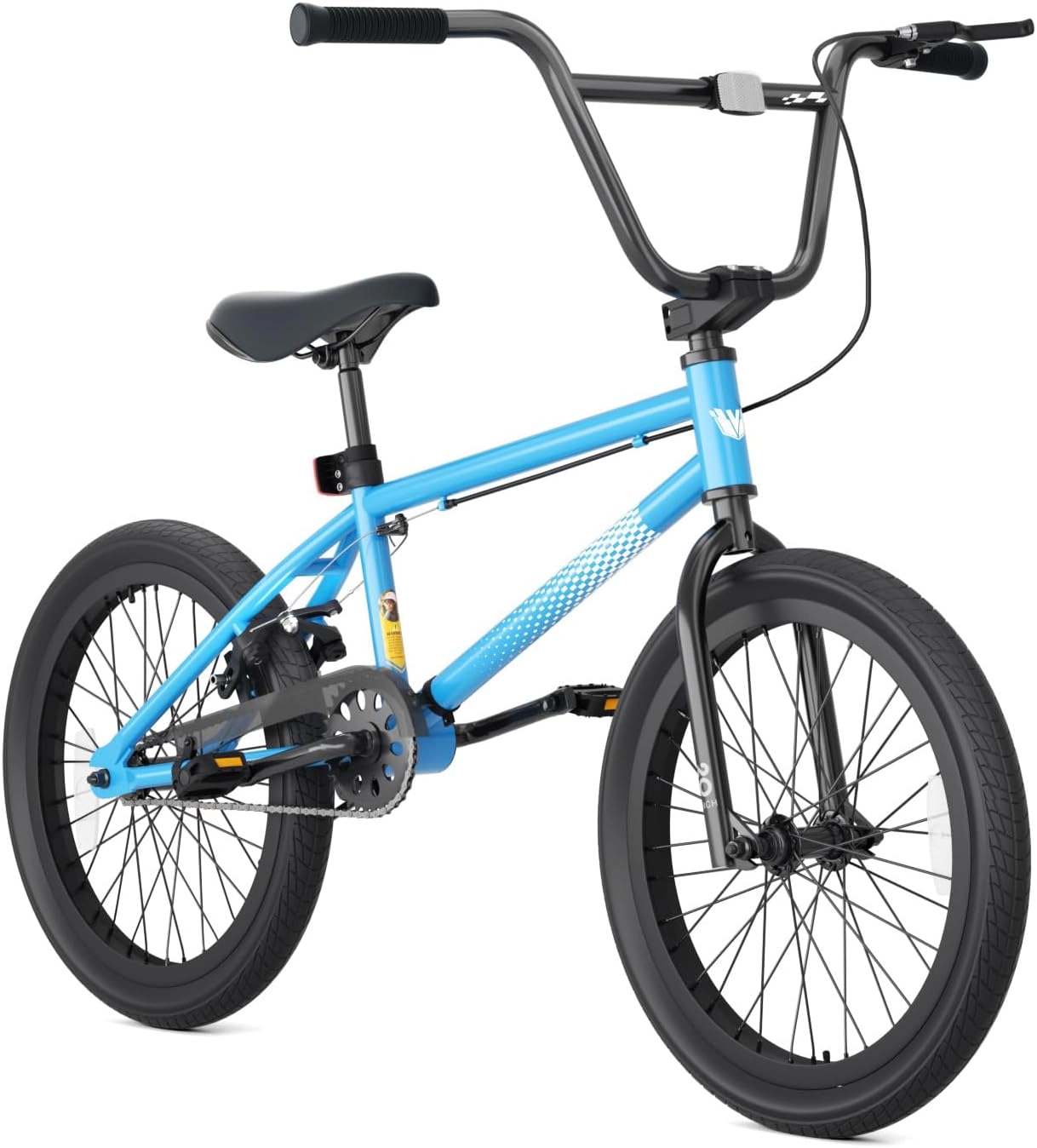
Teach a repeatable start with one pedal positioned, eyes ahead and a gentle first push. Then mark a short lane for a straight line and a planned stop. Add wide turns only after the rider can slow and stop. The XJD Blue 20-Inch Freestyle BMX Bike can be a later comparison for a confident two-wheel rider, not a reason to skip the readiness steps.
Know when to pause or reinstall
If the child cannot stop, becomes frightened, or the bike feels too large, put the supports back as instructed and return to one small skill. Waiting is part of learning. Before an independent ride, an adult checks steering, tires, wheel security and brakes, then stays close until starts, turns and stops remain dependable.
How current product examples clarify the choice
For nearby guidance, compare the training-wheel bike collection and the kids bike collection. These internal pages help compare configurations while the child's observed readiness determines the timing of removal.
Related reading on XJD Bikes
training-wheel bike collection and kids bike collection provide nearby sizing and riding context; always use the exact product instructions for assembly and adjustment.
Practical checklist
- Watch for looking ahead and controlled stops.
- Confirm the bike fits before changing the supports.
- Use a level, traffic-free practice area.
- Teach starts, turns and stops in short sessions.
- Reinstall supports when control or confidence drops.
Frequently asked questions
What age should training wheels come off?
There is no reliable single age. Remove them when the child fits the bike, follows stop instructions and shows repeatable balance and steering control.
Should I remove both training wheels at once?
Follow the exact bicycle instructions and use a complete, secure configuration. Do not leave loose brackets attached or improvise a one-sided setup.
Before making the final choice, revisit the exact route or driving area at the time it will normally be used. A setup that works during a quiet test may need more room, visibility or adult support when other people and everyday obstacles are present.
Bottom line
Use the answer to kids bike with training wheels when to remove as a decision process, not a shortcut. Confirm the live product data and manual, match the rider to the controls and setting, and favor repeatable control over a larger size or higher performance label.
Bikes for your next adventure
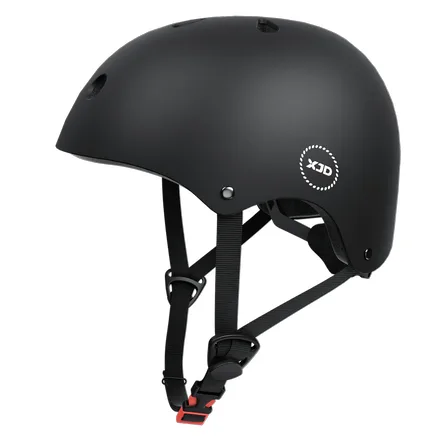
XJD Kids Bike Helmet Protective Gear Set
XJD Kids Bike Helmet Protective Gear Set makes helmet selection clearer: measure…$59.99
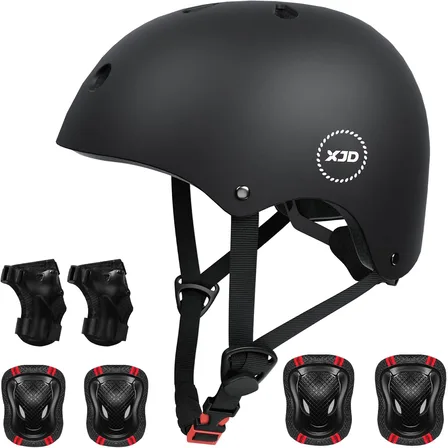
XJD Kids Bike Helmet & Protective Gear Set – Black
10 reviews
XJD Kids Bike Helmet & Protective Gear Set – Black makes helmet selection cl…$23.79
$27.99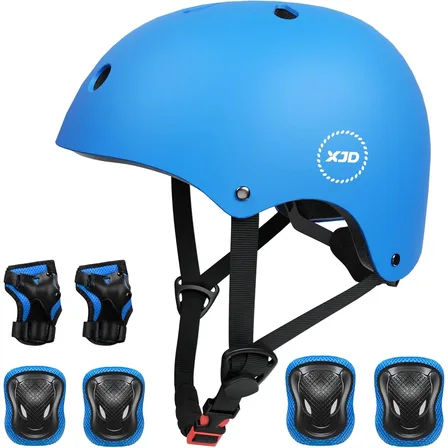
XJD Kids Bike Helmet & Protective Gear Set – Blue
10 reviews
XJD Kids Bike Helmet & Protective Gear Set – Blue makes helmet selection cle…$23.79