

How to Check a Kids Bike Chain for Proper Tension
Learning how to check a kids bike chain for proper tension begins by identifying the drivetrain. A single-speed chain is adjusted differently from a derailleur system, and a coaster brake adds safety-critical rear-wheel hardware. Keep the child away, support the bicycle securely and use the exact manual rather than applying a universal slack measurement to every small bike.
Inspect without reaching into the drive
With the bicycle stationary, look through approved openings for rust, damaged links, debris, unusual sag or contact with the chain guard. Turn the pedals only through the safe procedure. Never place fingers on the chain while the wheel or crank can move.
Check around a full rotation
Chain tension can vary as the crank turns. Observe several positions instead of checking one spot. Binding, snapping sounds, a chain that lifts from teeth or a visibly damaged sprocket requires service. Do not simply tighten until all movement disappears.
Use the model's stated range
Correct slack depends on chain, sprockets, dropout and manufacturer specification. Adjustment may require moving the rear wheel while keeping it centered and preserving axle engagement. Because wheel retention and coaster-brake mounting are involved, use a qualified mechanic when unsure.
Keep the guard complete
An enclosed guard reduces access to moving parts and should be reinstalled with every approved fastener. Do not cut it, leave it loose or ride without it to make future checks easier. Confirm it does not rub the chain or crank after service.
Finish with brake and wheel checks
Verify rear-wheel centering, axle hardware and coaster-brake arm where fitted. An adult tests pedaling and braking with no child aboard, then performs a slow roll. Stop for skipping, tight spots, noise or any change in brake response.
How current product examples clarify the choice
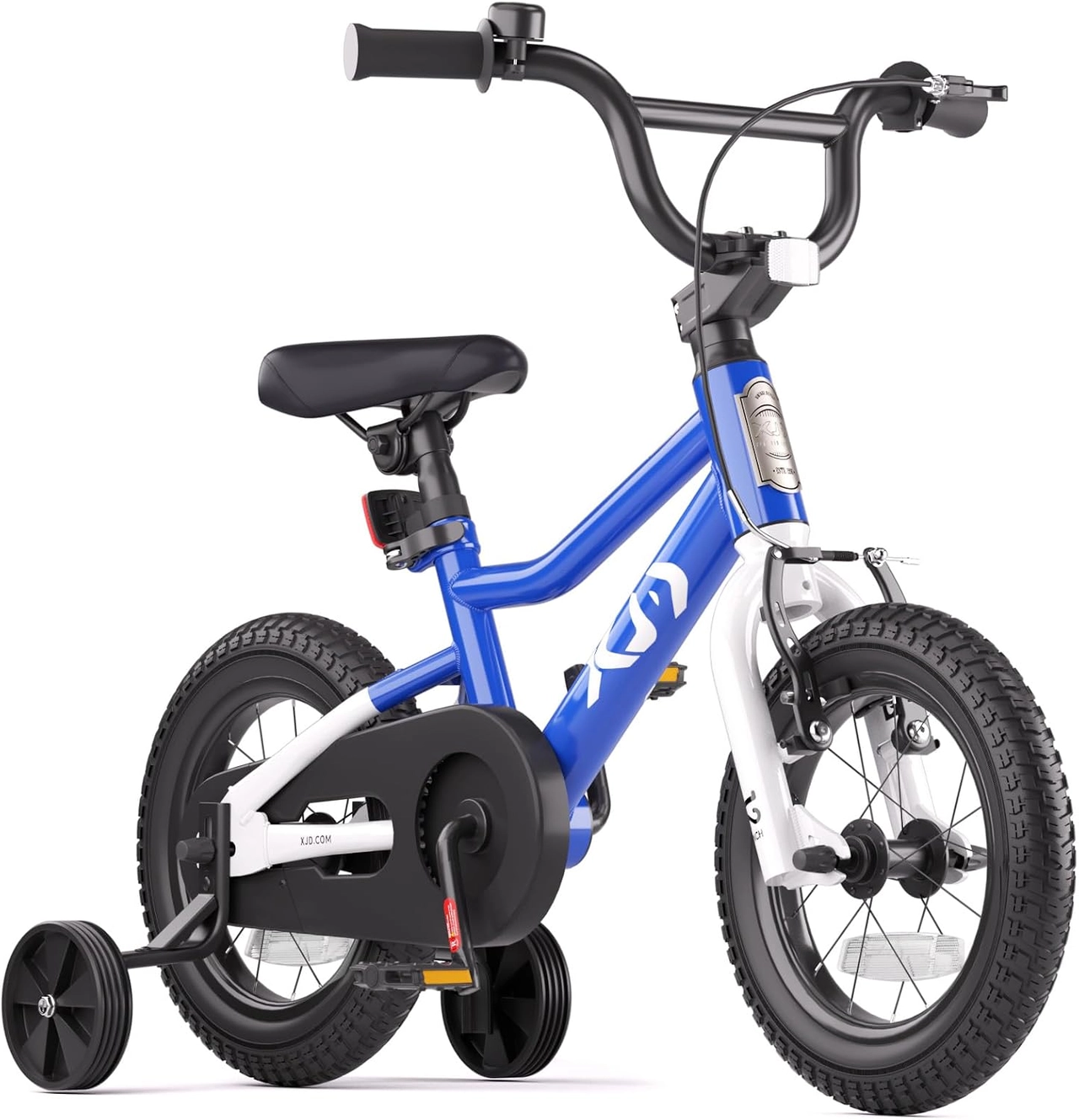
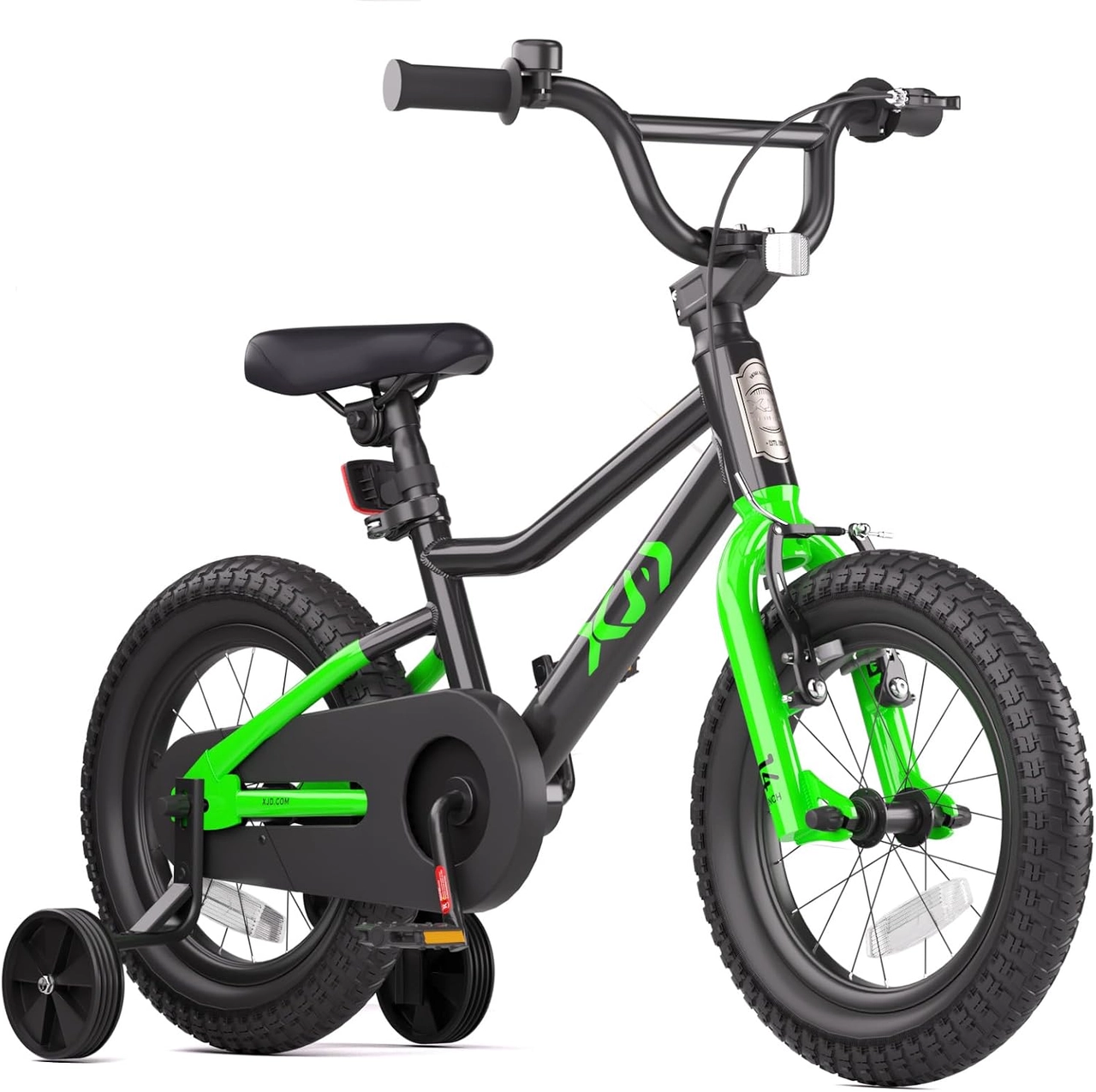
The blue and black XJD training-wheel BMX variants list single-speed drivetrains, enclosed chain guards and rear coaster brakes. They are relevant current examples because any chain adjustment can interact with the guarded drive, rear-wheel position and braking hardware.
Practical checklist
- Identify the drivetrain first.
- Inspect through approved openings.
- Check a complete crank rotation.
- Verify rear wheel and coaster brake after service.
Frequently asked questions
How much chain slack should every kids bike have?
There is no universal value; use the exact model specification.
Can I remove the guard permanently?
No. Operate the bicycle only in its approved complete configuration.
Before making the final choice, revisit the exact route or driving area at the time it will normally be used. A setup that works during a quiet test may need more room, visibility or adult support when other people and everyday obstacles are present.
Bottom line
Use the answer to how to check a kids bike chain for proper tension as a decision process, not a shortcut. Confirm the live product data and manual, match the rider to the controls and setting, and favor repeatable control over a larger size or higher performance label.
Bikes for your next adventure
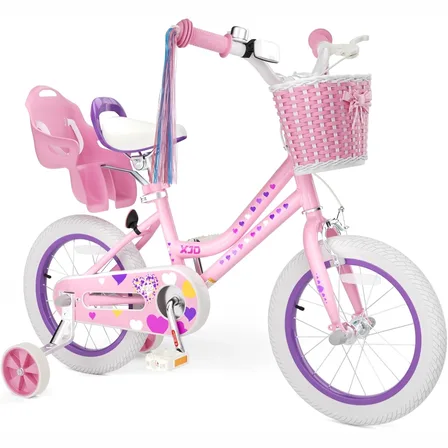
XJD Girls Bike with Training Wheels & Basket – Light Pink
7 reviews
XJD Girls Bike with Training Wheels & Basket – Light Pink brings the recorde…$109.99
$129.99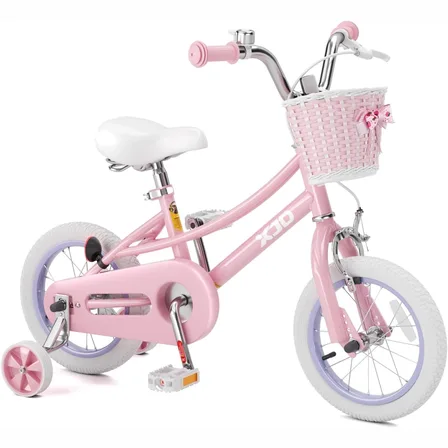
XJD Girls Bike with Training Wheels & Basket – Pink
23 reviews
XJD Girls Bike with Training Wheels & Basket – Pink brings the recorded fit,…$65.99
$75.99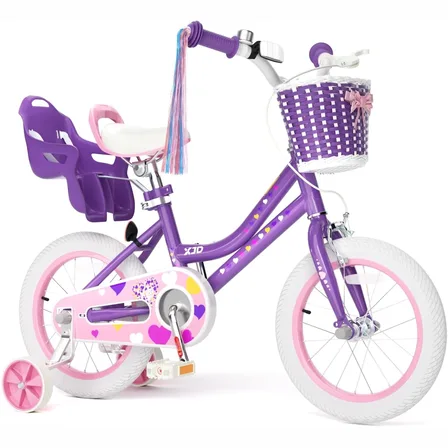
XJD Girls Bike with Training Wheels & Basket – Light Purple
XJD Girls Bike with Training Wheels & Basket – Light Purple brings the recor…$99.99
$119.99