

Kids Bike Tire Tread Direction: Read the Arrow Before Changing the Wheel
Kids bike tire tread direction is a tire-specific question. An arrow on the sidewall may indicate the intended rolling direction, while a tread pattern that merely looks like an arrow may not. Read the actual markings before deciding a tire has been mounted backward. Keep this separate from checking that the fork faces correctly and the wheel is securely installed; changing one does not automatically correct the others.
Find kids bike tire tread direction on both sidewalls
Park the bicycle and look for wording such as rotation or other directional information supplied by the tire maker. Inspect both sidewalls if needed and photograph the mark in context. Do not infer a requirement from a chevron-shaped tread alone. Some tire designs specify direction and others do not; if the label is absent or unreadable, seek the exact tire guidance rather than guessing from a similar-looking photograph.
Use forward travel as the reference
When interpreting a rotation arrow, consider how that particular wheel turns as the bicycle travels forward. A still photograph taken from the opposite side can make casual clockwise descriptions confusing. The relevant instruction belongs to the tire at its actual position. Some tires use separate front and rear recommendations, so do not assume both wheels should have identical-looking tread orientation when their own manufacturer specifies otherwise.
Separate a tire installation from reversing the whole wheel
If a directional tire needs correction, that does not mean the complete wheel can simply be flipped in the frame. Wheel attachments, braking parts, hub arrangements and other components need their prescribed orientation. Keep the fork and wheel assembly checks intact. Have a competent adult or technician follow the actual tire and wheel procedures; taking the wheel out can also affect brakes and, at the rear, drivetrain or training-wheel hardware.
Compare the XJD examples without assigning a tire brand
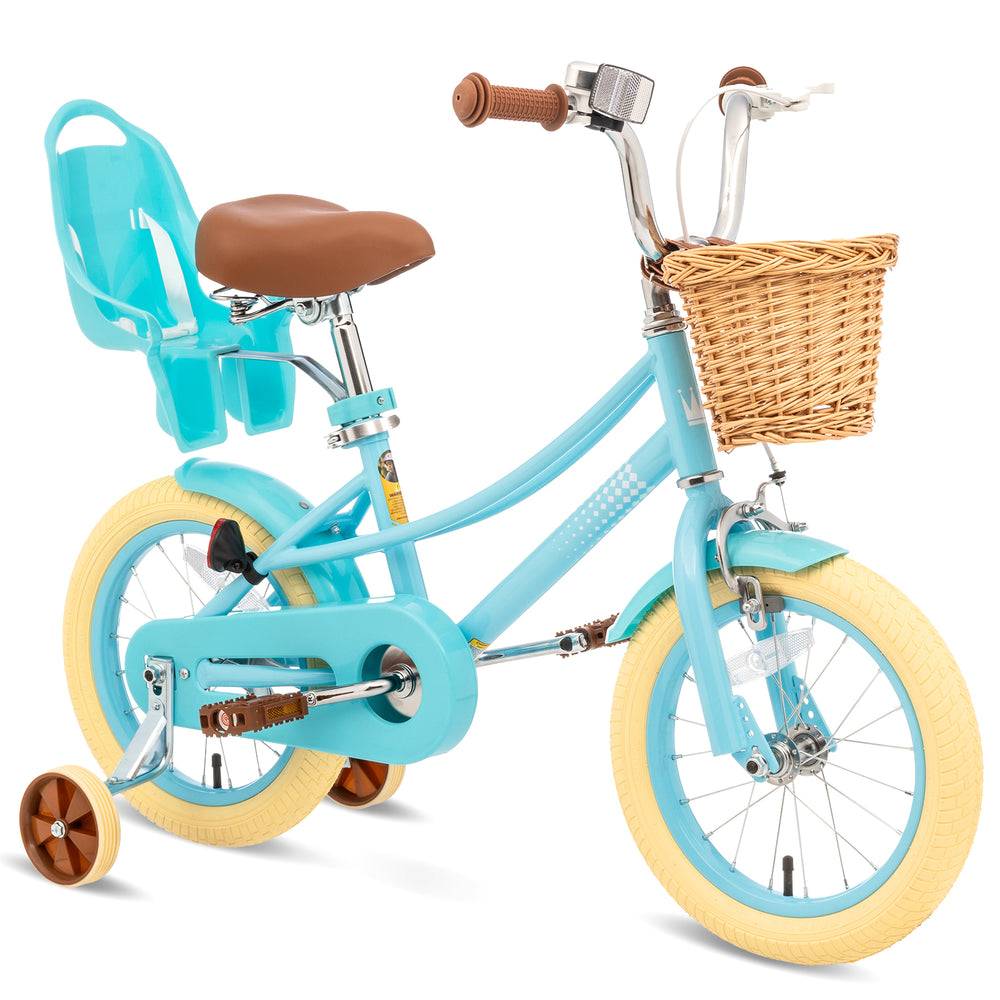
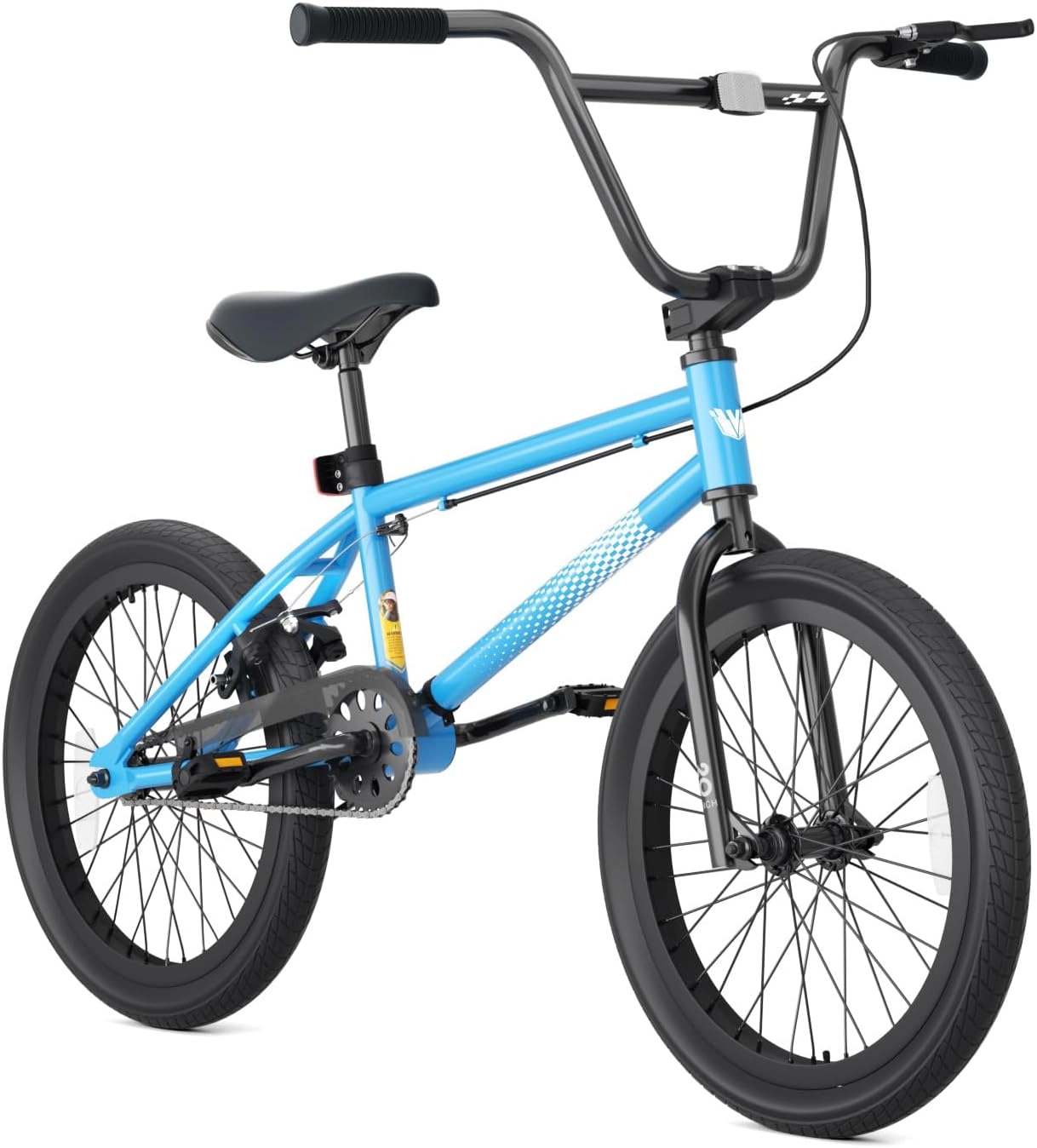
The Blue training-wheel bicycle and Blue 20-inch freestyle BMX illustrate different riding and wheel arrangements. The BMX listing describes wide tires and a single-speed drivetrain; the learner family has selectable sizes. Those records do not identify a common directional tire for both. A replacement fitted after purchase may also differ from the original, making the markings on the delivered bicycle more useful than assumptions based on its product name.
Keep direction in proportion to the whole condition check
Correct orientation does not establish sound sidewalls, suitable pressure, seated beads or working brakes. Inspect those requirements before riding, especially after a tire has been removed. If the tire is cut, bulging, loose at the rim or rubbing, resolve that fault regardless of where an arrow points. A direction check is one piece of installation verification, not proof that the tire suits every surface or riding task.
Model details relevant to this task
The catalog images identify the bicycles, not a readable sidewall specification. No tire brand, universal front/rear tread rule or traction gain is assigned to these models. The tire manufacturer’s actual direction instructions control any correction, while the bicycle instructions control wheel assembly. The linked model details are available for XJD Kids Bike Blue, XJD 20-Inch Freestyle BMX Bike without Pegs – Blue.
Quick checklist
- Find the tire maker’s marking.
- Read front and rear instructions.
- Reference forward wheel rotation.
- Preserve wheel and fork orientation.
- Recheck seating and brakes after work.
Common questions
Do all V-shaped treads have to point the same way?
No. Read the particular tire instructions; appearance alone is not a dependable direction specification.
Can I flip a complete rear wheel to reverse the tread?
Do not use that shortcut. Wheel, drivetrain and brake arrangements must retain their prescribed assembly.
Does correct direction guarantee grip?
No. Tire condition, pressure, surface and riding conditions still matter. Follow the bicycle’s intended use.
Related collections
The children’s training-wheel configurations and BMX wheel layouts provide further model details. Check the exact selected configuration when planning fit, handling and care.
Before the next outing
Resolve kids bike tire tread direction through the actual sidewall and tire-maker guidance. Keep tire orientation, wheel installation and fork alignment as distinct checks that must all be correct.