Single-Speed vs Geared Bike for Kids: Which Fits the Route?
The single-speed vs geared bike for kids decision is mainly about the route and the number of controls a rider can manage calmly. A single-speed bicycle removes shifting from the first lessons. A geared bicycle gives the rider choices for changing effort, but it adds a control that must be understood and used without distracting from steering or braking.
What single-speed means
A single-speed bicycle offers one drive ratio. The rider pedals, steers and brakes without choosing a gear. That simplicity can suit short, relatively flat practice routes and children still combining balance with pedaling. It does not mean every single-speed bicycle feels the same; wheel size, fit, tire width and brake system still change the ride.
What gears add
A geared bike lets a rider change pedaling effort as the route changes. The benefit appears only when the child can shift deliberately, keep looking ahead and choose a useful gear before effort becomes overwhelming. Shifting under the wrong conditions or staring at the control can make a simple ride harder rather than easier.
Let the route decide
Map the normal ride. A short flat loop may not require shifting, while repeated slopes or longer family outings can make a suitable geared setup useful. Do not choose gears only because they look more advanced. Choose them when the rider has a route that benefits and the attention to use them.
Brake systems are a separate choice
Single-speed does not automatically mean coaster brake, and geared does not describe the brakes. Read the exact configuration. The child must reach and operate every fitted control from a normal grip. Practice stopping before introducing shifting or a longer route.
A readiness test for gears
On a level protected area, ask the rider to start, follow a line, make two wide turns and stop at a marker. Then explain one shift and repeat. If steering or braking deteriorates when the shifter is introduced, return to the simpler exercise and try again later.
How current product examples clarify the choice
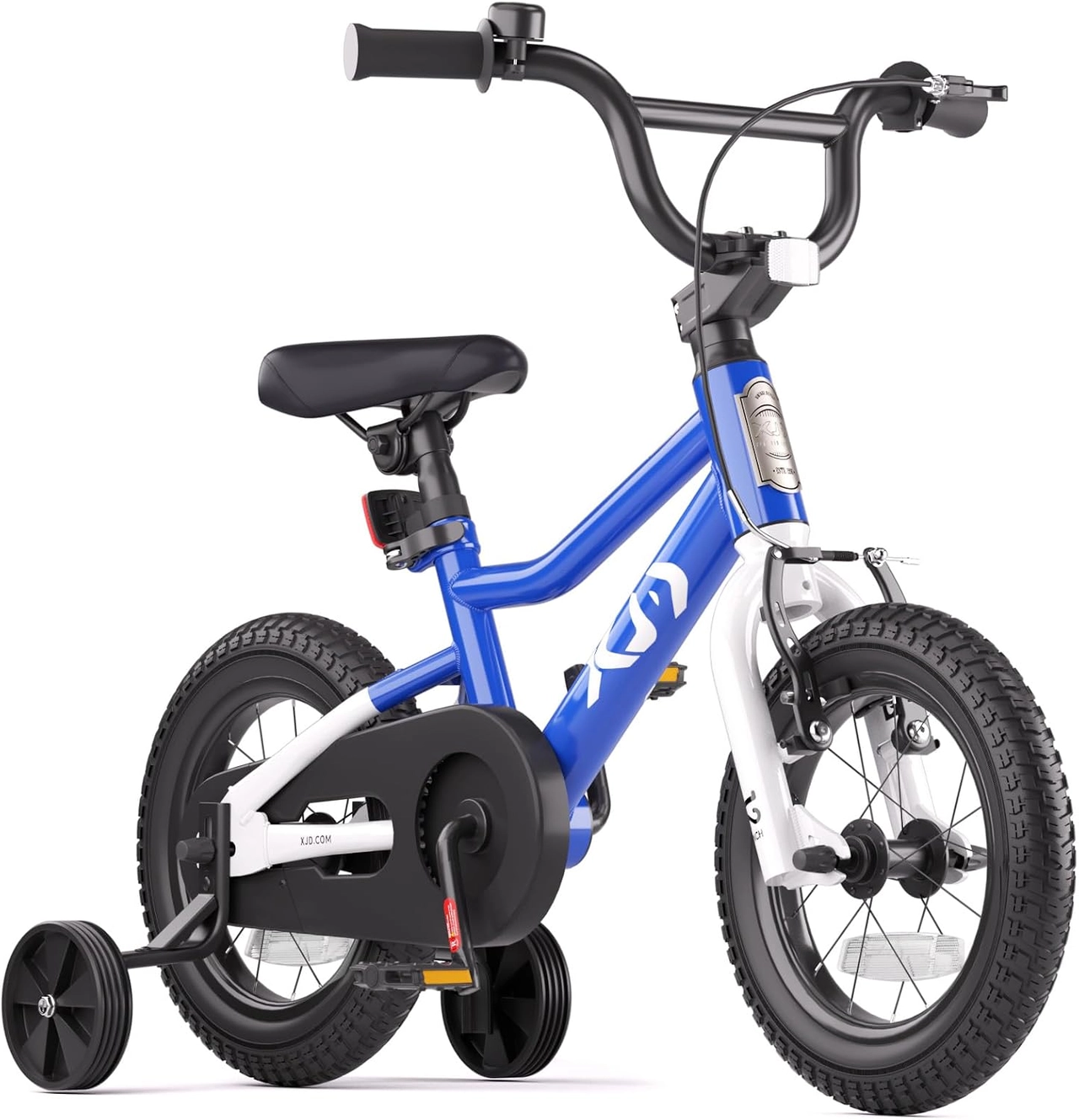
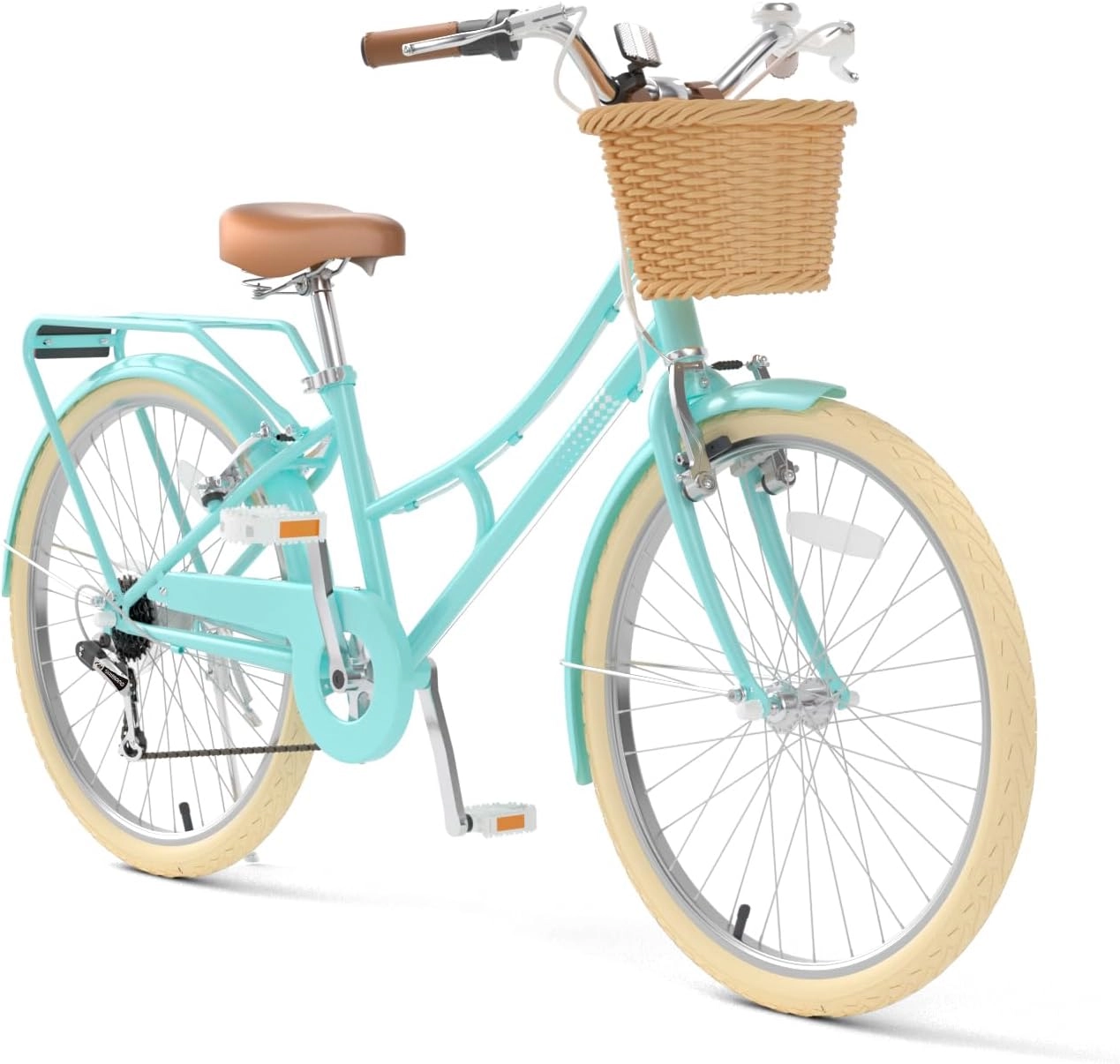
The blue training-wheel BMX page lists a single-speed setup in 12-, 14- and 16-inch choices. The mint cruiser page lists 20-, 24- and 26-inch options with a geared drivetrain and no training wheels. They illustrate two different stages rather than a better-versus-worse ranking.
Practical checklist
- Measure height and inseam before comparing drivetrains.
- Confirm the exact brake and shifter controls.
- Match the drivetrain to the regular route.
- Introduce one new control at a time.
Frequently asked questions
Are gears necessary for a child?
No. They are useful when the route and rider readiness justify the extra control.
Is a single-speed bike always for beginners?
No. It describes the drivetrain, not the rider level or intended riding style.
Before making the final choice, revisit the exact route or driving area at the time it will normally be used. A setup that works during a quiet test may need more room, visibility or adult support when other people and everyday obstacles are present.
Bottom line
Use the answer to single-speed vs geared bike for kids as a decision process, not a shortcut. Confirm the live product data and manual, match the rider to the controls and setting, and favor repeatable control over a larger size or higher performance label.
Recommended products
-
Save 15%
XJD Girls Bike with Training Wheels & Basket – Light Pink
XJD Girls Bike with Training Wheels & Basket – Light Pink brings the recorde…
Training Wheel Bikes Training Wheels Yes Geared 14 Inch -
Save 14%
XJD Beach Cruiser Bike with Rear Rack & V-Brake – Mint Green
XJD Beach Cruiser Bike with Rear Rack & V-Brake – Mint Green brings the reco…
Beach Cruiser Bikes Training Wheels No Geared 20 Inch -
Save 14%
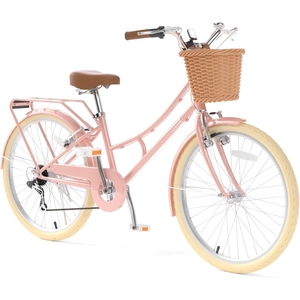
XJD Beach Cruiser Bike with Rear Rack & V-Brake – Pink
XJD Beach Cruiser Bike with Rear Rack & V-Brake – Pink brings the recorded f…
Beach Cruiser Bikes Training Wheels No Geared 20 Inch -
Save 5%
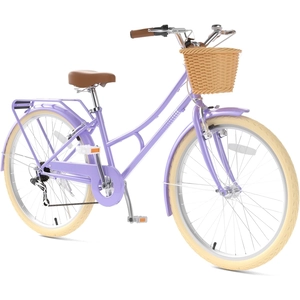
XJD Beach Cruiser Bike with V-Brake – Purple, 26-Inch
XJD Beach Cruiser Bike with V-Brake – Purple, 26-Inch brings the recorded fit, r…
Beach Cruiser Bikes Training Wheels No Geared Purple / 26 Inch