

Training Wheel Tire Wear: What Parents Should Check
Training wheel tire wear can reveal how a supported kids bike is contacting the ground. Light scuffing may develop through normal use, but flat spots, cracks, a wheel that does not turn or sharply unequal wear can point to alignment, clearance or hardware problems. Inspect the unloaded bike on a hard, level surface.
Clean and rotate each small wheel
Remove loose dirt with an approved dry method, then turn each training wheel by hand. It should rotate without binding, grinding or excessive side play. Keep fingers away from the main wheel and chain, and do not lubricate plastic tread or braking surfaces.
Compare left and right wear
Look around the full circumference for flat areas, splits, missing material and one edge wearing faster than the other. Unequal patterns can reflect a sloped practice area or mismatched bracket position. Do not add washers or bend a bracket to compensate.
Inspect the mounting system
Check the specified nuts, knobs, brackets and axle area for movement, cracks or missing pieces. Rear hardware may also retain the main wheel and coaster-brake components. A loose training-wheel attachment is a stop-use condition, not a comfort adjustment.
Confirm model-specific clearance
Some systems allow slight alternating contact so the bicycle can begin learning balance. The permitted gap is not universal. Set it only through the exact size's instructions on level ground, and never raise the wheels beyond the approved position.
Replace parts as a matched system
Use only a wheel and hardware approved for that bracket and bicycle. After service, verify both small wheels, main-wheel retention, chain movement and braking, then supervise a very slow first ride in a closed area.
How current product examples clarify the choice
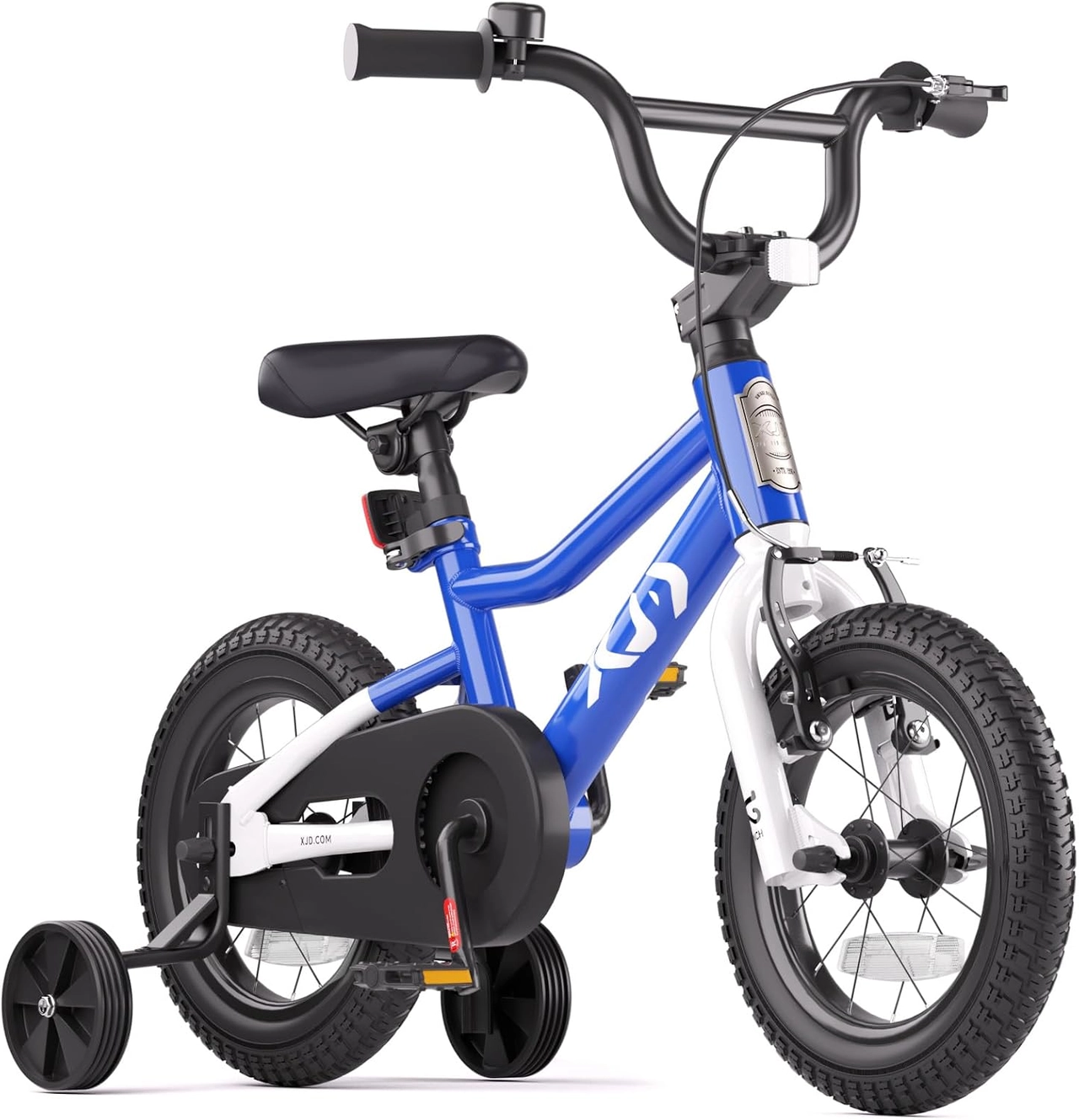
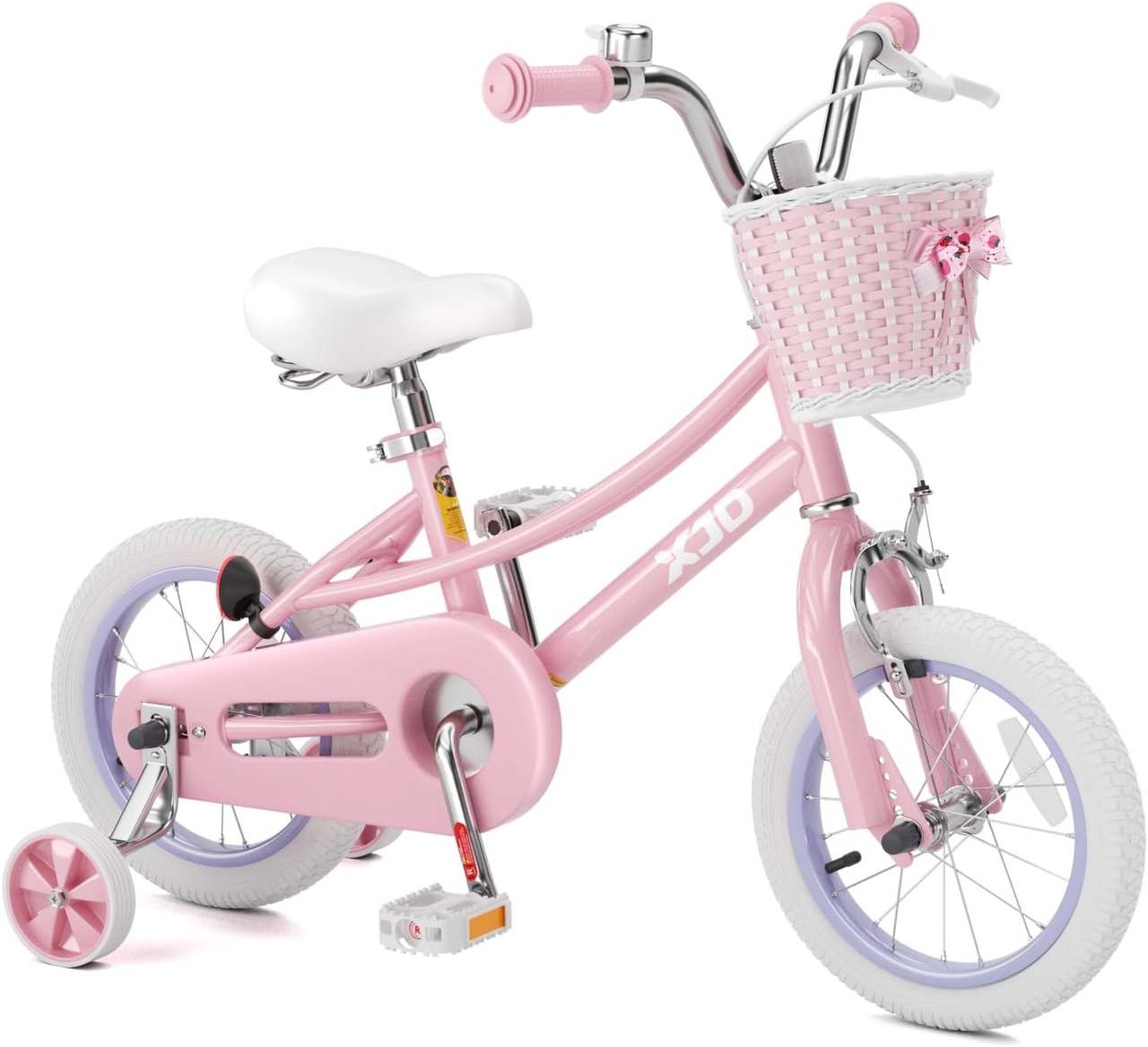
The XJD Blue Kids BMX Bike with Training Wheels and XJD Pink Bike with Training Wheels and Basket both offer multiple wheel-size configurations. That makes size-specific brackets and replacement parts important even when the training wheels look similar in photographs.
Practical checklist
- Rotate both wheels by hand.
- Compare wear across both sides.
- Stop for loose mounting hardware.
- Use only approved replacement parts.
Frequently asked questions
Do training wheel tires need equal wear?
Not perfectly, but a large difference deserves a level-ground alignment and hardware check.
Can I use any replacement training wheel?
No. Wheel, bearing, bracket, axle and load compatibility must match the exact system.
Before making the final choice, revisit the exact route or driving area at the time it will normally be used. A setup that works during a quiet test may need more room, visibility or adult support when other people and everyday obstacles are present.
Bottom line
Use the answer to training wheel tire wear as a decision process, not a shortcut. Confirm the live product data and manual, match the rider to the controls and setting, and favor repeatable control over a larger size or higher performance label.
Bikes for your next adventure
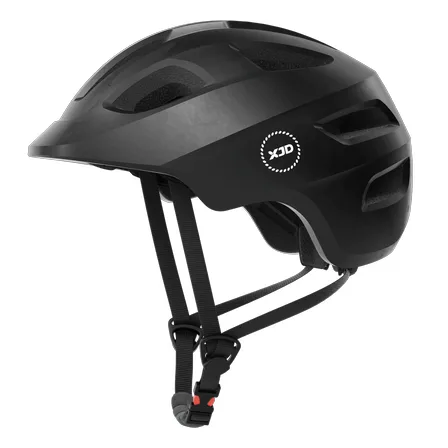
XJD Kids Bike Helmet Black
7 reviews
XJD Kids Bike Helmet Black makes helmet selection clearer: measure first, then c…$59.99
$49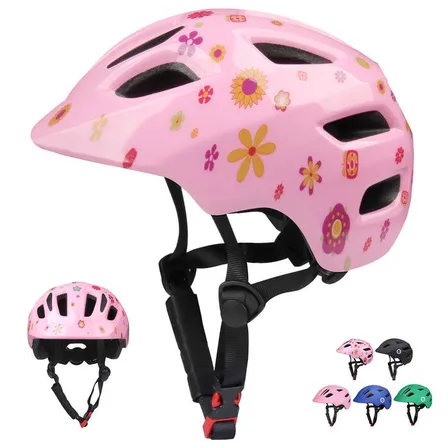
XJD Kids Bike Helmet Pink Flower
7 reviews
XJD Kids Bike Helmet Pink Flower makes helmet selection clearer: measure first, …$59.99
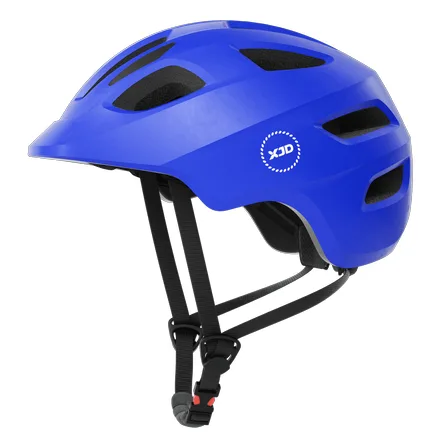
XJD Kids Bike Helmet Blue
XJD Kids Bike Helmet Blue makes helmet selection clearer: measure first, then ch…$59.99
$99