

Training Wheels vs Balance Bikes: Which Builds Confidence Faster?
Parents rarely ask whether training wheels work — they ask whether their child will be the one still using them at eight. The honest answer: both training wheels and balance bikes teach, but they teach different skills in a different order. Understanding that order is what gets most riders to two wheels faster.
What each method actually teaches
Balance bikes teach balance first: the rider pushes, glides and learns that leaning controls the line. Training wheels teach everything except balance — pedals, brakes, steering — while the training wheels hold the bike upright. That is why a balance-bike graduate often pedals within an hour, and why a training-wheel rider needs a scheduled transition: the missing skill has to be added deliberately.
The training-wheel transition plan
- Weeks 1–3: trainers fitted snug, both wheels touching. Brake drills and steering games.
- Month 2: raise both trainers half an inch. The bike now leans before they catch it.
- Monthly after: raise again while the drills continue.
- Graduation: remove on grass or a soft path, saddle low, parent's hand on the seat — never the bars. Three glides before the first pedal.
The graduation rule that matters: end the session on success, however small, and schedule the next one before going inside.
Choosing the platform
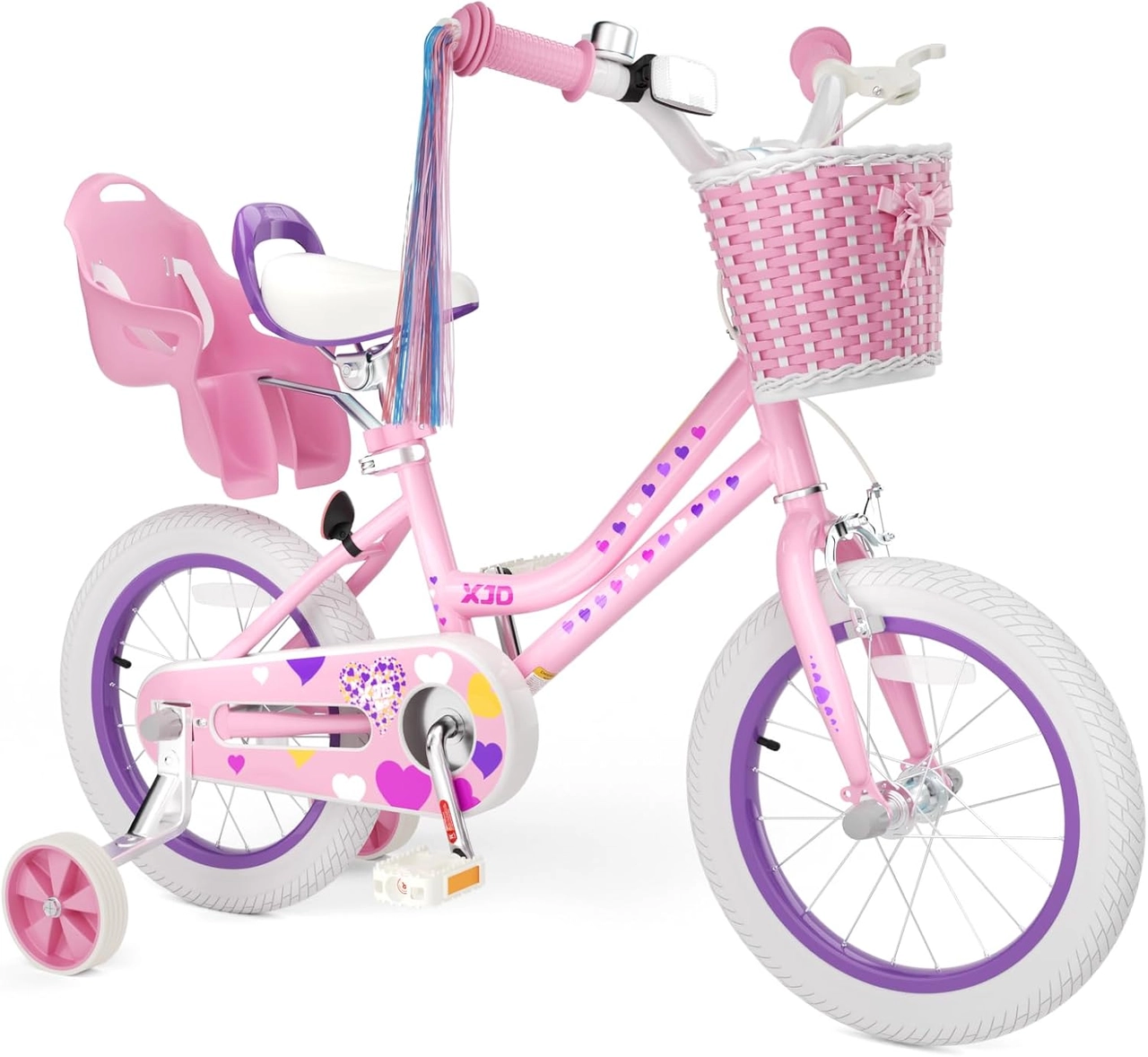
If your child already has a bike, do not buy a balance bike — run the raising schedule on what you own. If you are buying fresh for a 2- to 3-year-old, a balance bike is the cleaner first step. For riders aged 4 and up who want a bike that looks like the bigger kids', a pedal bike with removable trainers plus the raising schedule reaches the same place, and the basket or doll seat gives the rider a reason to want to ride in the first place.
The fallback that keeps momentum
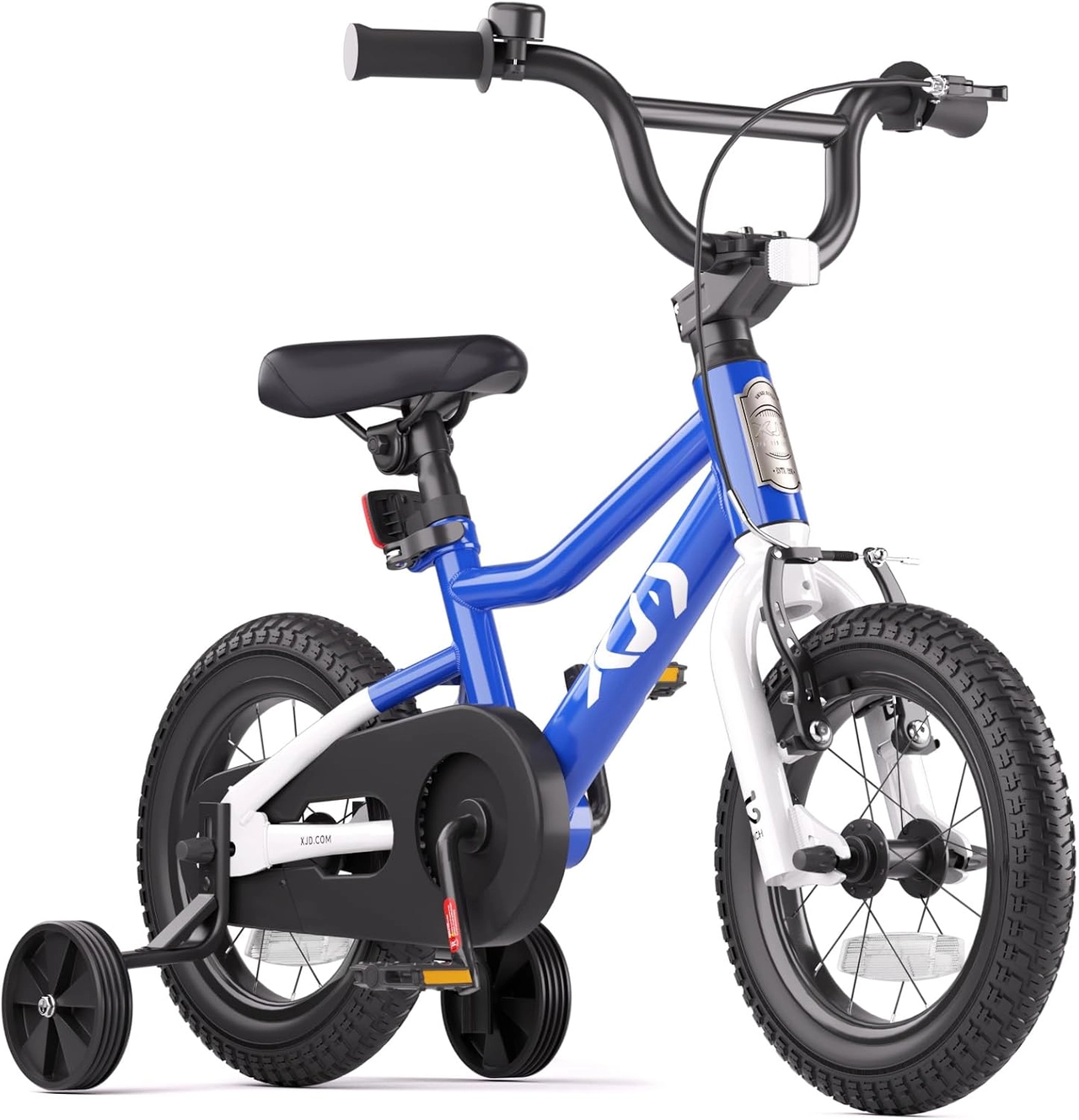
If a session wobbles into frustration, drop the trainers back one notch and call it a rest stop — not a defeat. Transitions that stall are almost always transitions that were rushed past the lean phase. The removable design exists exactly so the schedule can breathe.
Common questions
How long should training wheels stay on?
As long as the raising schedule says — typically two to four months from snug to off. Trainers left level for a year become a habit that must be un-taught.
Is it embarrassing for an older child to use them?
Frame it as equipment, not a crutch: racers and riders of every age use stabilizers while learning new setups. The schedule ends when the rider's balance ends it.
Bottom line
Balance bikes teach the balance first; training wheels teach everything else while balance waits. Either path works — the raising schedule is what turns either one into a rider. Compare current trainer-equipped models in the training wheel bike collection and the BMX collection.