

How to Teach a Child to Use Bike Gears
Learning how to teach a child to use bike gears is easier when shifting is treated as one small skill rather than part of a completely new ride. The child should already start, steer and stop reliably on the bicycle. Begin on a flat, traffic-free area and use the exact shifter instructions, because control direction and gear displays vary by model.
Explain the purpose before the numbers
Describe gears as choices that change how hard each pedal turn feels. An easier gear can help the pedals turn with less force, while another choice moves farther per turn but takes more effort. Avoid calling one gear good and another bad; the useful gear changes with the route.
Identify one control
Point out the shifter while the bicycle is stationary and explain how the indicator works on that model. Do not spin wheels or touch a moving drivetrain around the child. If the mechanism requires pedaling to shift, demonstrate later in a controlled riding drill.
Begin with one deliberate shift
Choose an approved easy starting gear on level ground. Ask the child to ride straight, pedal smoothly and make one shift while continuing to look ahead. Stop and discuss what changed. Repeating one direction is more useful than cycling rapidly through every position.
Shift before the hill
Teach the rider to notice a slope early and select an easier gear before pedaling becomes strained. Heavy pressure can make some shifts rough. On the other side, avoid choosing a very hard gear that turns a simple start into a wobbling effort.
Keep braking as the priority
Add a stop marker to every gear drill. If the child stares at the shifter, swerves or forgets the brakes, remove the shifting task and return to basic control. Progress means preserving the skills already learned.
How current product examples clarify the choice
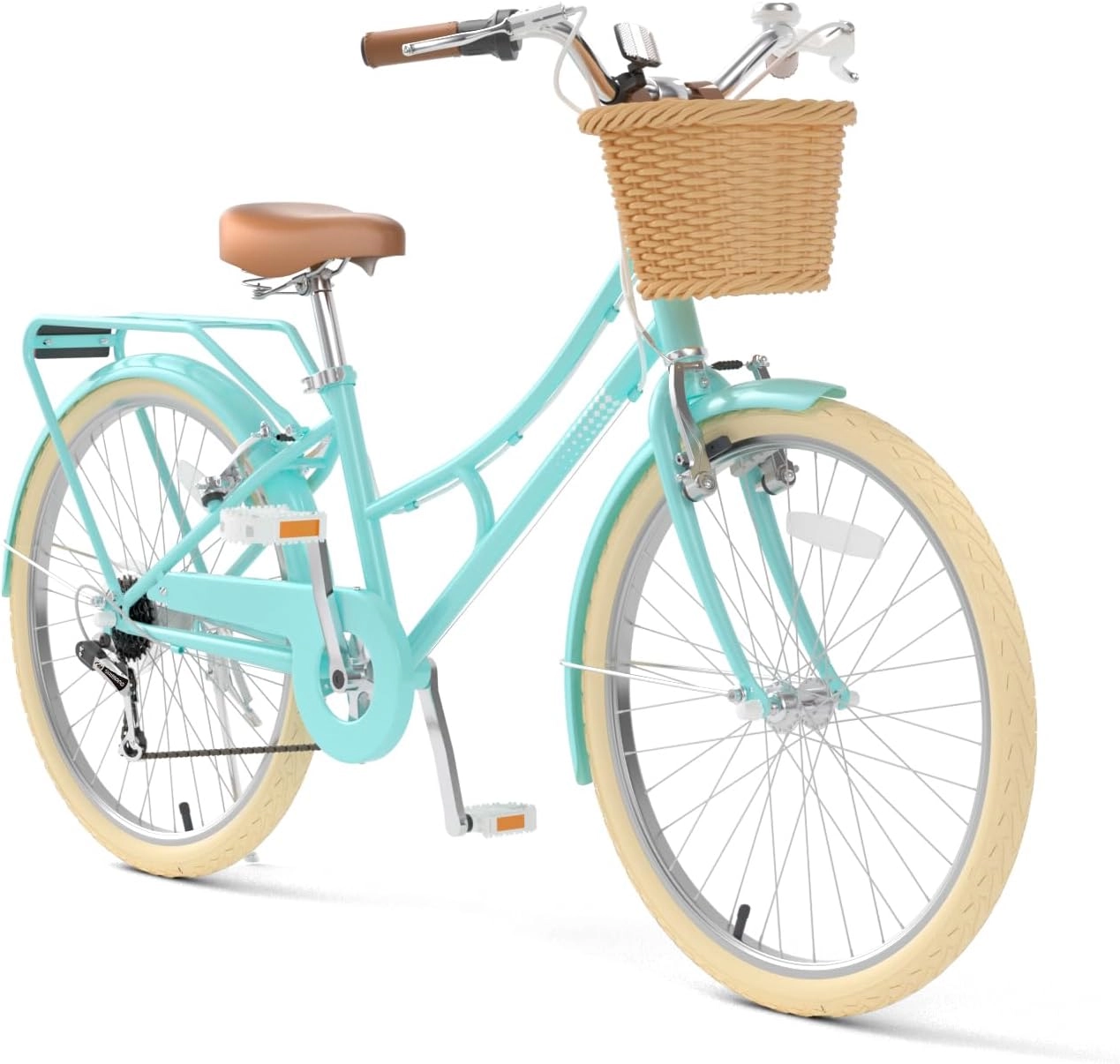
The mint green XJD beach cruiser lists 20-, 24- and 26-inch options with a geared drivetrain and no training wheels. It is a natural example for riders moving to longer or changing routes, but the selected size must follow the site's height standard and the child must already balance and brake confidently.
Practical checklist
- Master starts and stops before shifting.
- Explain effort rather than memorizing numbers.
- Practice one shift while looking ahead.
- Choose a gear before the terrain changes.
Frequently asked questions
What gear should a child start in?
Use an easy setting approved by the bicycle instructions for the practice area; exact numbering varies.
Should a child shift while stopped?
Follow the drivetrain instructions. Many derailleur systems need smooth pedaling for a shift to complete.
Before making the final choice, revisit the exact route or driving area at the time it will normally be used. A setup that works during a quiet test may need more room, visibility or adult support when other people and everyday obstacles are present.
Bottom line
Use the answer to how to teach a child to use bike gears as a decision process, not a shortcut. Confirm the live product data and manual, match the rider to the controls and setting, and favor repeatable control over a larger size or higher performance label.
Bikes for your next adventure
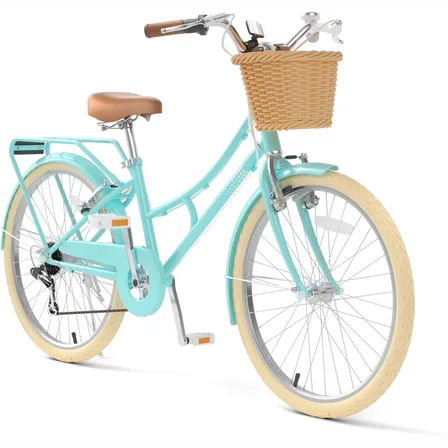
XJD Beach Cruiser Bike with Rear Rack & V-Brake – Mint Green
8 reviews
XJD Beach Cruiser Bike with Rear Rack & V-Brake – Mint Green brings the reco…$179.99
$209.99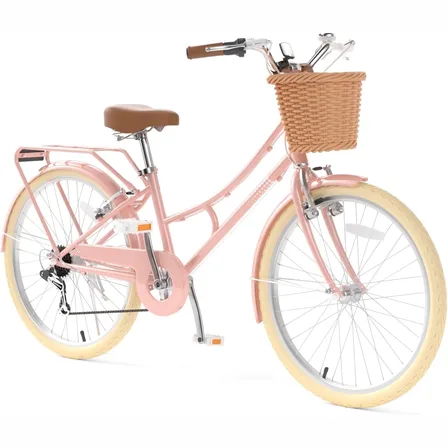
XJD Beach Cruiser Bike with Rear Rack & V-Brake – Pink
4 reviews
XJD Beach Cruiser Bike with Rear Rack & V-Brake – Pink brings the recorded f…$179.99
$209.99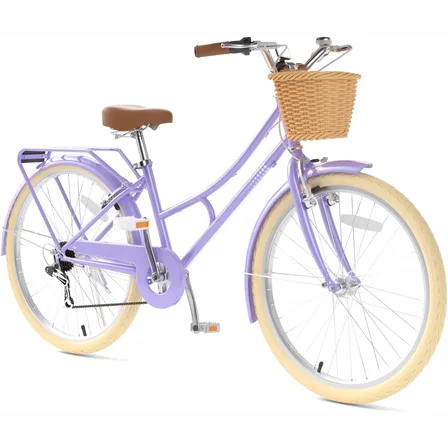
XJD Beach Cruiser Bike with V-Brake – Purple, 26-Inch
XJD Beach Cruiser Bike with V-Brake – Purple, 26-Inch brings the recorded fit, r…$218.49
$229.99