

How to Use a Rear Bike Rack Safely
Knowing how to use a rear bike rack safely begins with the rating and instructions for the exact rack and bicycle. A platform above the rear wheel can carry permitted cargo, but it changes weight distribution and may affect starting, steering and braking. Do not infer a load limit from the rack's appearance or use it as a passenger seat unless the complete system is explicitly approved.
Find the lowest applicable limit
Read the rack, frame and bicycle instructions and identify their load rules. Bags, baskets, adapters and child-carrying equipment may have separate limits. The usable limit is never higher than the weakest approved component, and cargo is also part of the bicycle's total permitted load.
Choose a secure container
Use an attachment system made for the rack and bicycle. Fasteners should not loosen or slide, and straps must be contained so no end can enter the spokes, tire, chain or brakes. Avoid a loose object placed directly on the platform.
Keep cargo balanced
Place a permitted load low, centered and stable. A tall or rear-heavy bundle can make the front feel light or sway through a turn. Nothing should block lights or reflectors, touch the rider, or extend into moving parts. Recheck after the first short distance.
Practice with less than the final load
First ride the bicycle empty and confirm braking. Add a small secure load and repeat starts, wide turns and stops in a protected area. Allow more stopping room and avoid steep or busy routes until the rider understands the handling change.
Inspect mounts regularly
Check rack bolts, stays, welds and attachment points as specified, especially after transport or impact. New movement, cracking, noise or wheel contact is a reason to unload and stop. Never repair a structural rack with an improvised strap or mismatched fastener.
How current product examples clarify the choice
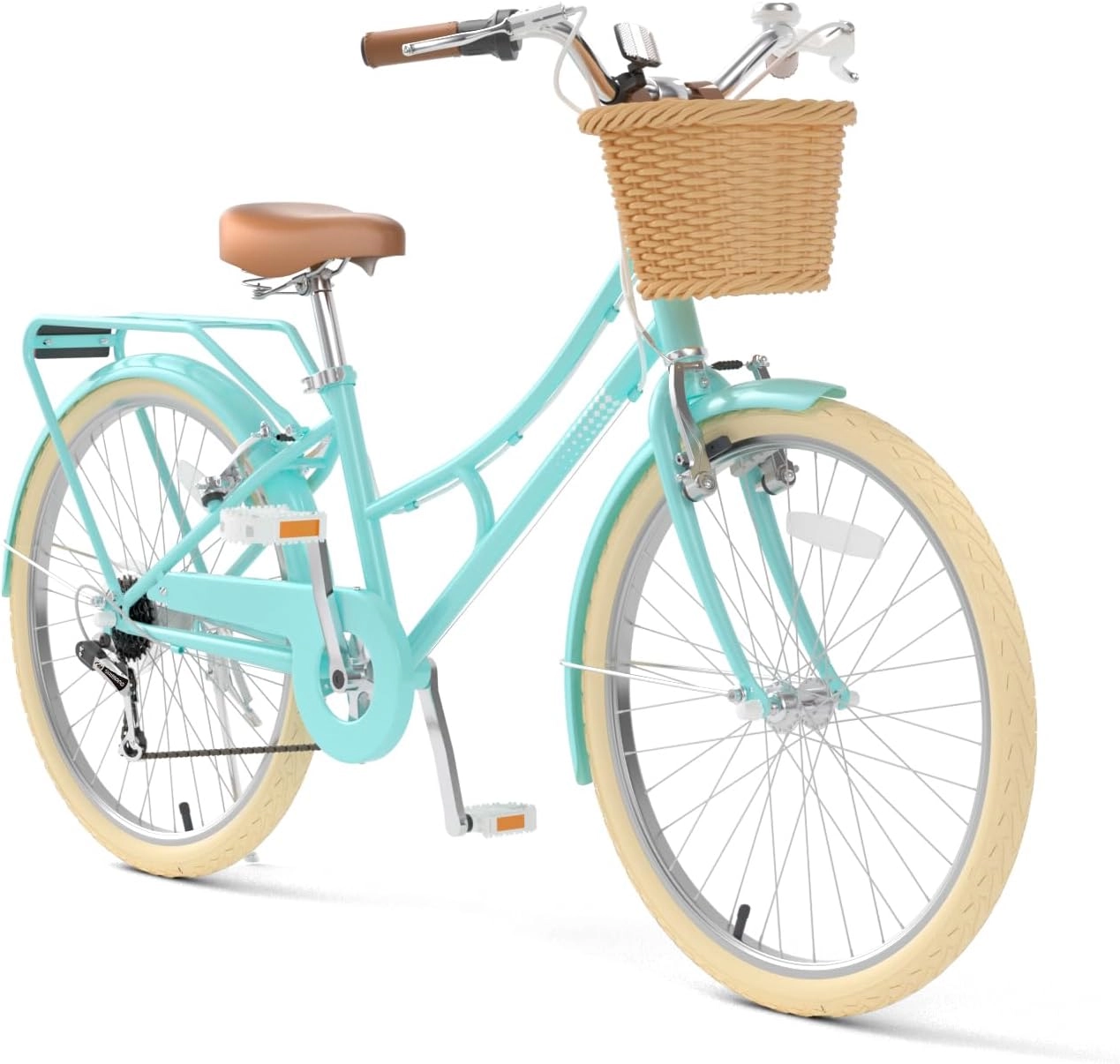
The mint green XJD cruiser lists a rear rack with its 20-, 24- and 26-inch geared options. The live product photo helps identify the rack location, while the manual and selected configuration—not this article—must supply its permitted cargo types and load limit.
Practical checklist
- Read the exact rack and bicycle limits.
- Keep straps away from all moving parts.
- Center and secure permitted cargo.
- Practice braking after the load changes.
Frequently asked questions
Can someone sit on a rear bike rack?
Only when the complete bicycle, rack and approved passenger system explicitly allow it. A cargo rack is not automatically a seat.
Can a backpack hang from one side?
Use only an approved secure setup; an unbalanced or dangling bag can alter handling or enter the wheel.
Before making the final choice, revisit the exact route or driving area at the time it will normally be used. A setup that works during a quiet test may need more room, visibility or adult support when other people and everyday obstacles are present.
Bottom line
Use the answer to how to use a rear bike rack safely as a decision process, not a shortcut. Confirm the live product data and manual, match the rider to the controls and setting, and favor repeatable control over a larger size or higher performance label.
Bikes for your next adventure
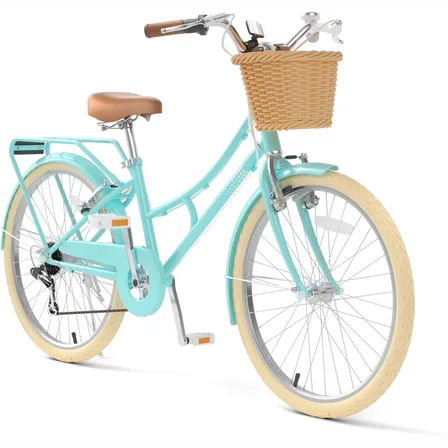
XJD Beach Cruiser Bike with Rear Rack & V-Brake – Mint Green
8 reviews
XJD Beach Cruiser Bike with Rear Rack & V-Brake – Mint Green brings the reco…$179.99
$209.99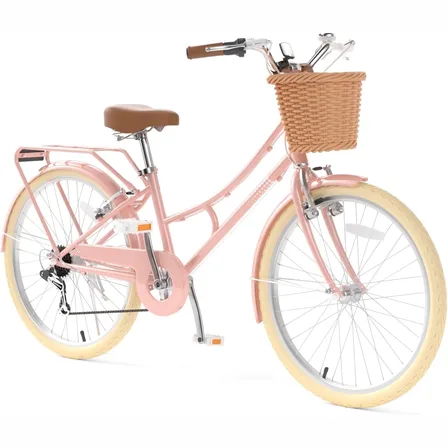
XJD Beach Cruiser Bike with Rear Rack & V-Brake – Pink
4 reviews
XJD Beach Cruiser Bike with Rear Rack & V-Brake – Pink brings the recorded f…$179.99
$209.99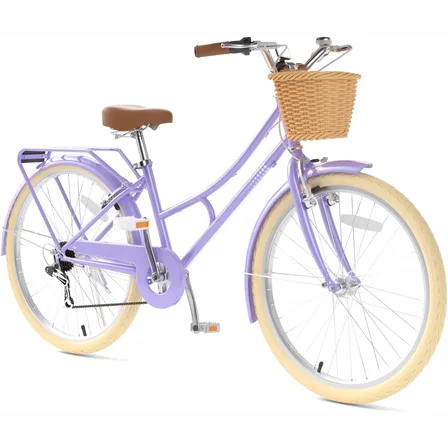
XJD Beach Cruiser Bike with V-Brake – Purple, 26-Inch
XJD Beach Cruiser Bike with V-Brake – Purple, 26-Inch brings the recorded fit, r…$218.49
$229.99