Kids Bike Fender Rubbing Tire: How to Diagnose It
A kids bike fender rubbing tire often starts after transport, a bump, wheel removal, or a loose mounting fastener. The sound may occur continuously or once per wheel revolution. Do not simply bend the fender away while the tire is inflated. First decide whether the fender moved, the wheel is incorrectly seated, or the tire or rim is no longer running true.
Locate the rub precisely
Support the bicycle only as its manual permits and rotate the wheel slowly with hands clear of spokes. Watch the gap at the top, sides, and fender stays. A constant contact point suggests a shifted fender or wheel position; a rub that appears once per revolution can point to a tire seating problem or rim wobble. Stop for a bulge, crack, or loose wheel.
Check wheel seating before the fender
Compare both axle ends and confirm the wheel sits fully in its intended dropouts. Inspect retention hardware without loosening it by guesswork. A wheel that was reinstalled crooked can rub the fender and alter brake alignment or chain tension. Use the exact wheel procedure and torque, especially where racks or training-wheel brackets share nearby hardware.
Inspect every fender attachment
Look for a missing bolt, loose stay, cracked plastic, bent metal, or a mounting tab pulled out of position. Confirm stays cannot reach the spokes and that no sharp edge faces the tire. Do not substitute an overlong bolt or wire the fender to the frame. Damaged stays and safety clips should be replaced with compatible parts.
Rule out tire and rim causes
Read tire pressure with a gauge and inspect the molded seating line around both sidewalls. Check for a bulge, cut, oversized replacement, or rim movement. Inflating above the marked range will not create safe clearance. If the rim is bent or spokes are loose, fender adjustment alone hides the problem and the wheel needs qualified inspection.
Verify clearance under real movement
After approved correction, rotate the wheel through several turns, operate the brake, and gently steer through its range. Confirm the fender remains centered and cannot touch tire, brake, fork, or rack. An adult makes a short level-ground test and rechecks all fasteners. A returning rub or shifting stay keeps the bicycle out of use.
How current product examples clarify the choice
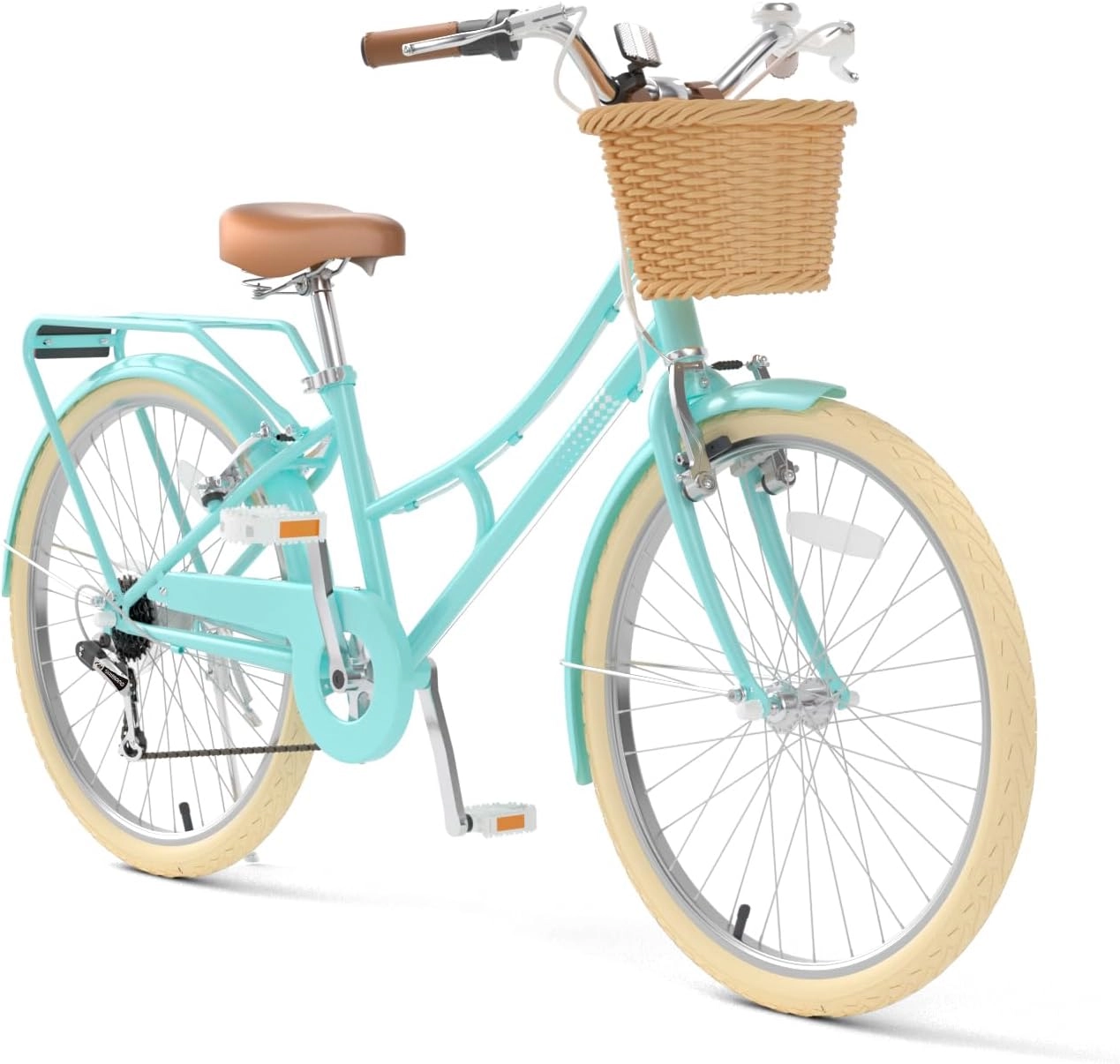
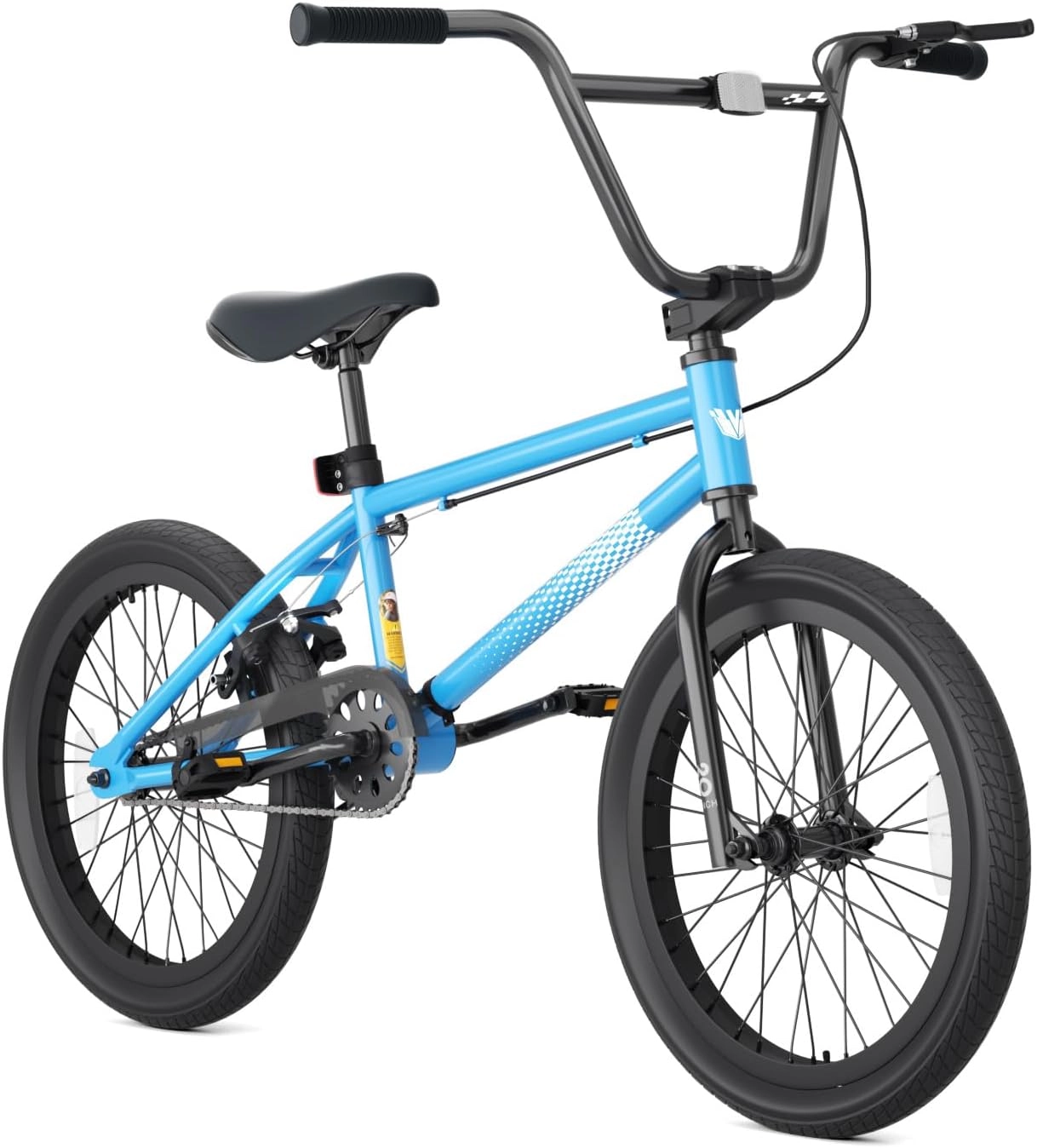
The XJD Mint Green Beach Cruiser includes full fenders and a rear rack, so it shows the mounting and cargo-clearance questions directly. The XJD Blue 20-Inch Freestyle BMX Bike provides a contrasting wide-tire setup without the same cruiser hardware. That difference helps separate a fender problem from tire, rim, or wheel-seating symptoms.
Practical checklist
- Find whether contact is constant or rhythmic.
- Confirm wheel seating first.
- Inspect stays and safety hardware.
- Recheck brakes after adjustment.
Frequently asked questions
Can I bend a rubbing bike fender by hand?
Do not improvise while the cause is unknown; a shifted wheel, cracked stay, or tire defect must be ruled out first.
Why does the fender rub only when a child rides?
Load can reveal a loose mount, flexible damaged part, wheel issue, or insufficient clearance that is not obvious when unloaded.
Before making the final choice, revisit the exact route or driving area at the time it will normally be used. A setup that works during a quiet test may need more room, visibility or adult support when other people and everyday obstacles are present.
Bottom line
Use the answer to kids bike fender rubbing tire as a decision process, not a shortcut. Confirm the live product data and manual, match the rider to the controls and setting, and favor repeatable control over a larger size or higher performance label.
Recommended products
-
Save 14%
XJD Beach Cruiser Bike with Rear Rack & V-Brake – Mint Green
XJD Beach Cruiser Bike with Rear Rack & V-Brake – Mint Green brings the reco…
Beach Cruiser Bikes Training Wheels No Geared 20 Inch -
Save 14%
XJD Beach Cruiser Bike with Rear Rack & V-Brake – Pink
XJD Beach Cruiser Bike with Rear Rack & V-Brake – Pink brings the recorded f…
Beach Cruiser Bikes Training Wheels No Geared 20 Inch -
Save 5%
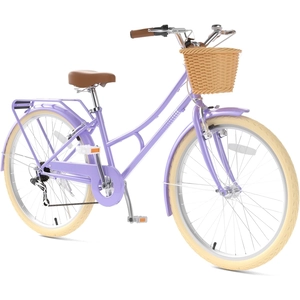
XJD Beach Cruiser Bike with V-Brake – Purple, 26-Inch
XJD Beach Cruiser Bike with V-Brake – Purple, 26-Inch brings the recorded fit, r…
Beach Cruiser Bikes Training Wheels No Geared Purple / 26 Inch -
Save 20%
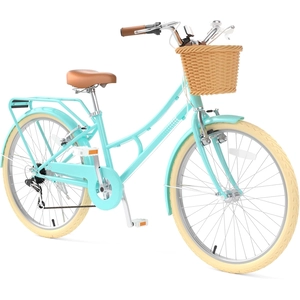
XJD Beach Cruiser Bike with U-Brake – Green, 24-Inch
XJD Beach Cruiser Bike with U-Brake – Green, 24-Inch brings the recorded fit, ri…
Beach Cruiser Bikes Training Wheels No Single Speed Green / 24 Inch