Kids Bike Seat Tilted: Fit and Safety Checks
A kids bike seat tilted after a bump or adjustment can slide the rider forward, make reaching the pedals inconsistent, or reveal a clamp that is no longer secure. Some saddles use rails while small bicycles may use a different integrated clamp. Do not assume a perfectly level angle is universal; start with the exact model instructions and the child's stable position.
Separate seat angle from bicycle angle
Place the bicycle on firm level ground and confirm both tires are correctly inflated. View the saddle from the side and rear, using the frame rather than a sloped floor as context. Note whether the nose points up or down, the saddle twists sideways, or the entire seatpost has rotated. Photograph the original position before loosening anything.
Find the joint that moved
Apply gentle hand pressure to the saddle with no rider aboard. Watch the saddle-to-clamp interface and the seatpost-to-frame clamp separately. Look for missing serrations, cracked rails, bent hardware, a stripped bolt, or a clamp assembled backward. A saddle that shifts under light pressure is a stop-riding condition, even if its current angle feels comfortable.
Check height and insertion limits
Unexpected tilt can follow a height change made without the complete clamp procedure. Confirm the seatpost minimum-insertion mark remains hidden as required and that no shim or substitute post has been added. Saddle height should let the child pedal and stop according to the fit guidance; lowering it cannot compensate for an unsafe frame size or damaged clamp.
Use the model-specific clamp sequence
One-bolt and two-bolt rail clamps, pivotal systems, and small-bike assemblies use different washer order, grooves, and torque. Loosen and retighten only through the approved method. Do not oil a dry clamping surface unless instructed, exceed torque to stop damaged parts moving, or clamp outside the saddle rail's marked usable zone.
Repeat fit and control checks
After approved correction, confirm the saddle resists twist and tilt tests, the post remains at the marked height, and the child can reach pedals, grips, and brakes with adult stabilization. Check both wheels and brakes before a short level-ground ride. Pain, sliding, renewed movement, or a post that sinks means further fitting or service is needed.
How current product examples clarify the choice
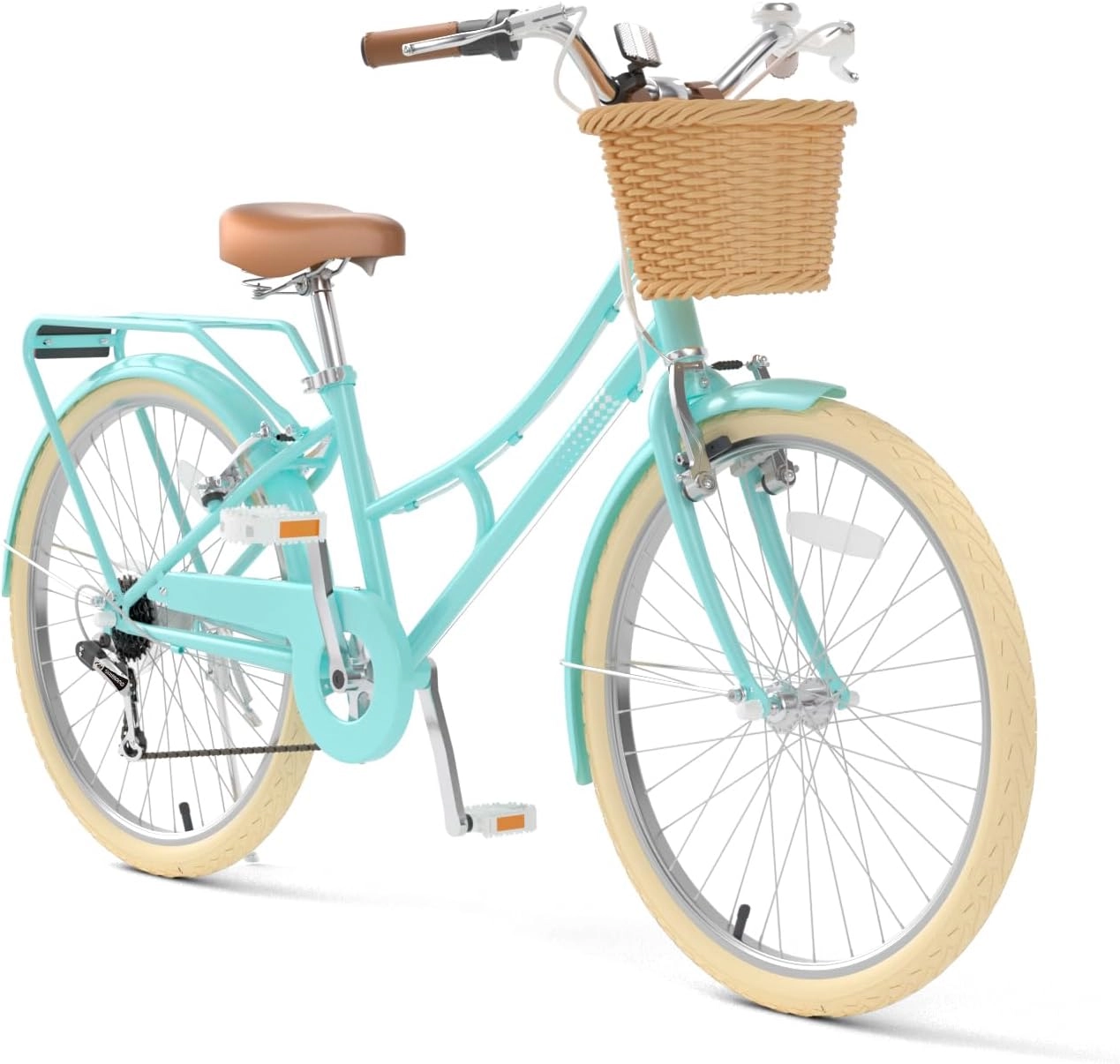
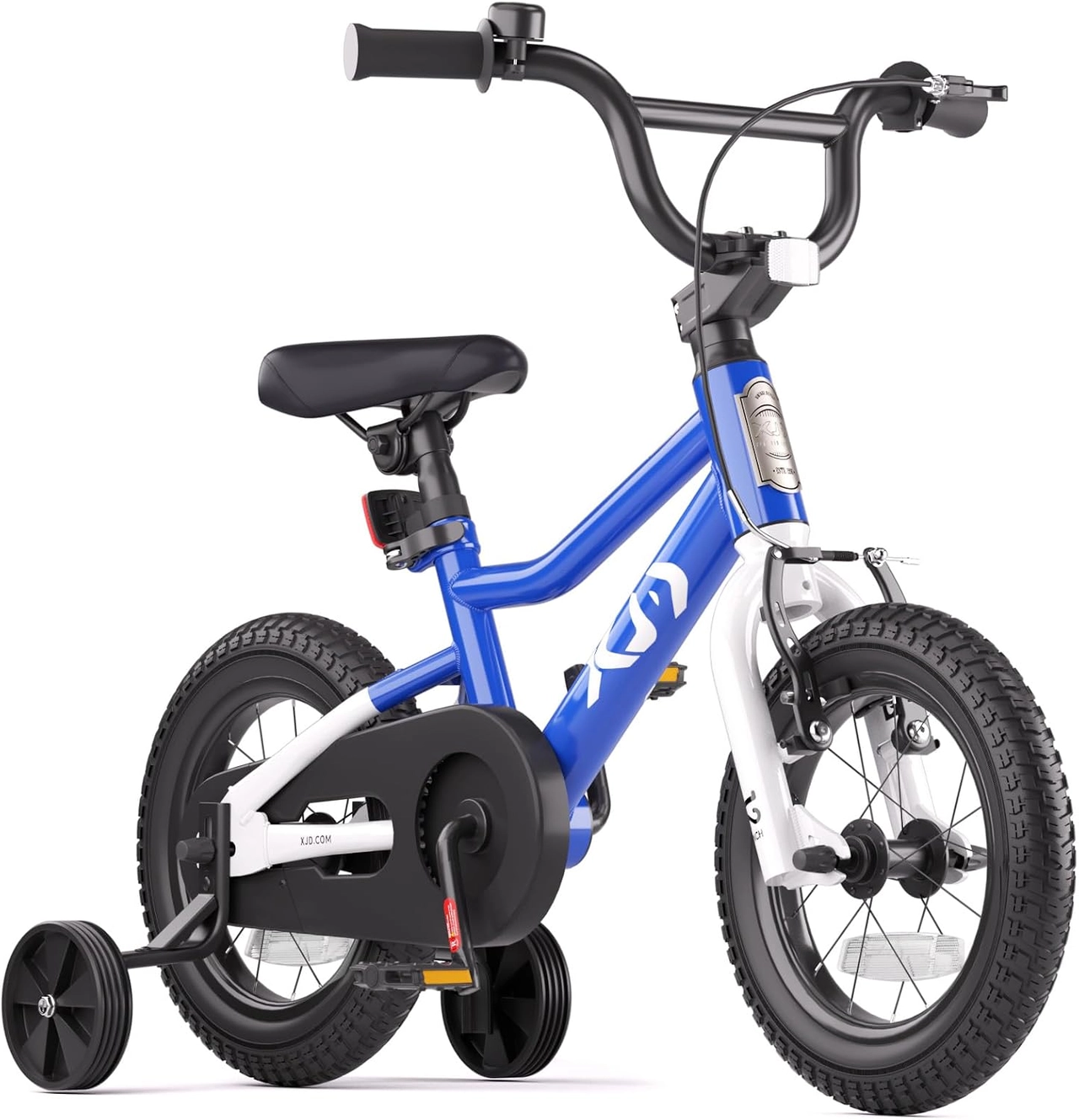
The XJD Mint Green Beach Cruiser and XJD Blue Kids BMX Bike with Training Wheels represent different sizes and riding positions. Their contrast shows why saddle angle cannot be copied from a product photo. Use the actual seatpost, clamp markings, selected wheel size, and the current child's reach to set and verify the seat.
Practical checklist
- Inspect on level ground.
- Identify clamp versus seatpost movement.
- Respect insertion and rail marks.
- Repeat the child's reach check.
Frequently asked questions
Should a kids bike seat be perfectly level?
A near-level starting point is common, but the exact saddle and bike guidance plus secure child fit control the final position.
Can I tighten a seat that keeps tilting harder?
No. Recurring movement may mean damaged, misassembled, or incompatible clamp parts that require inspection.
Before making the final choice, revisit the exact route or driving area at the time it will normally be used. A setup that works during a quiet test may need more room, visibility or adult support when other people and everyday obstacles are present.
Bottom line
Use the answer to kids bike seat tilted as a decision process, not a shortcut. Confirm the live product data and manual, match the rider to the controls and setting, and favor repeatable control over a larger size or higher performance label.
Recommended products
-
Save 14%
XJD Beach Cruiser Bike with Rear Rack & V-Brake – Mint Green
XJD Beach Cruiser Bike with Rear Rack & V-Brake – Mint Green brings the reco…
Beach Cruiser Bikes Training Wheels No Geared 20 Inch -
Save 14%
XJD Beach Cruiser Bike with Rear Rack & V-Brake – Pink
XJD Beach Cruiser Bike with Rear Rack & V-Brake – Pink brings the recorded f…
Beach Cruiser Bikes Training Wheels No Geared 20 Inch -
Save 5%
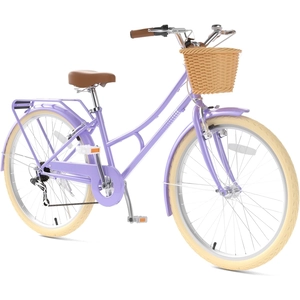
XJD Beach Cruiser Bike with V-Brake – Purple, 26-Inch
XJD Beach Cruiser Bike with V-Brake – Purple, 26-Inch brings the recorded fit, r…
Beach Cruiser Bikes Training Wheels No Geared Purple / 26 Inch -
Save 20%
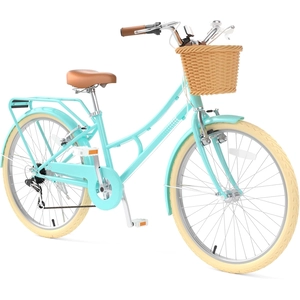
XJD Beach Cruiser Bike with U-Brake – Green, 24-Inch
XJD Beach Cruiser Bike with U-Brake – Green, 24-Inch brings the recorded fit, ri…
Beach Cruiser Bikes Training Wheels No Single Speed Green / 24 Inch