Kids Bike Tire Bead Not Seated Evenly: What to Do
A kids bike tire bead not seated evenly may show as a wavy molded line beside the rim, a low section that disappears into the rim or a section that rises unusually high. Continuing to inflate can let the tube escape or the tire lift off the rim. Release pressure in a controlled way, keep the bicycle out of use and identify why the bead is not sitting uniformly.
Use the seating line as a guide
Most bicycle tires have a fine molded line running around each sidewall near the rim. Compare its distance from the rim edge all the way around both sides. A consistent line is more useful than judging the tread by eye. Stop immediately for a bulge, exposed tube, damaged bead or sudden movement while inflating.
Confirm every size marking
Read the complete tire and rim markings and compare them with the bicycle manual. Similar inch labels can hide incompatible bead-seat dimensions, and tire width must also suit the rim, frame and brake clearance. Do not stretch a tight tire with tools, substitute an almost-matching size or use pressure to force an incompatible bead into place.
Rule out a trapped tube
If the model instructions allow tire service, fully deflate before gently checking whether tube material is pinched beneath the bead. The valve should sit straight and move according to the installation procedure, not pull the tube sideways. Use only suitable tire levers when specified; screwdrivers can damage the tire, tube or rim and create a later failure.
Inspect the rim and bead
Look for dents, cracks, sharp edges, shifted rim tape, dirt and damage to the tire's bead. Clean only with an approved mild method and avoid oils or solvents that can harm rubber or reduce grip at the interface. A bent rim, torn bead, exposed reinforcement or repeated seating failure requires compatible replacement or professional assessment.
Inflate gradually and verify again
Follow the tire maker's mounting method and inflate in small stages, pausing to examine the seating line on both sides. Stay within the exact sidewall and bicycle pressure limits. After reinstalling the wheel, verify retention, brake contact and frame clearance. An adult should complete a low-speed test only when the tire remains even and pressure is stable.
How current product examples clarify the choice
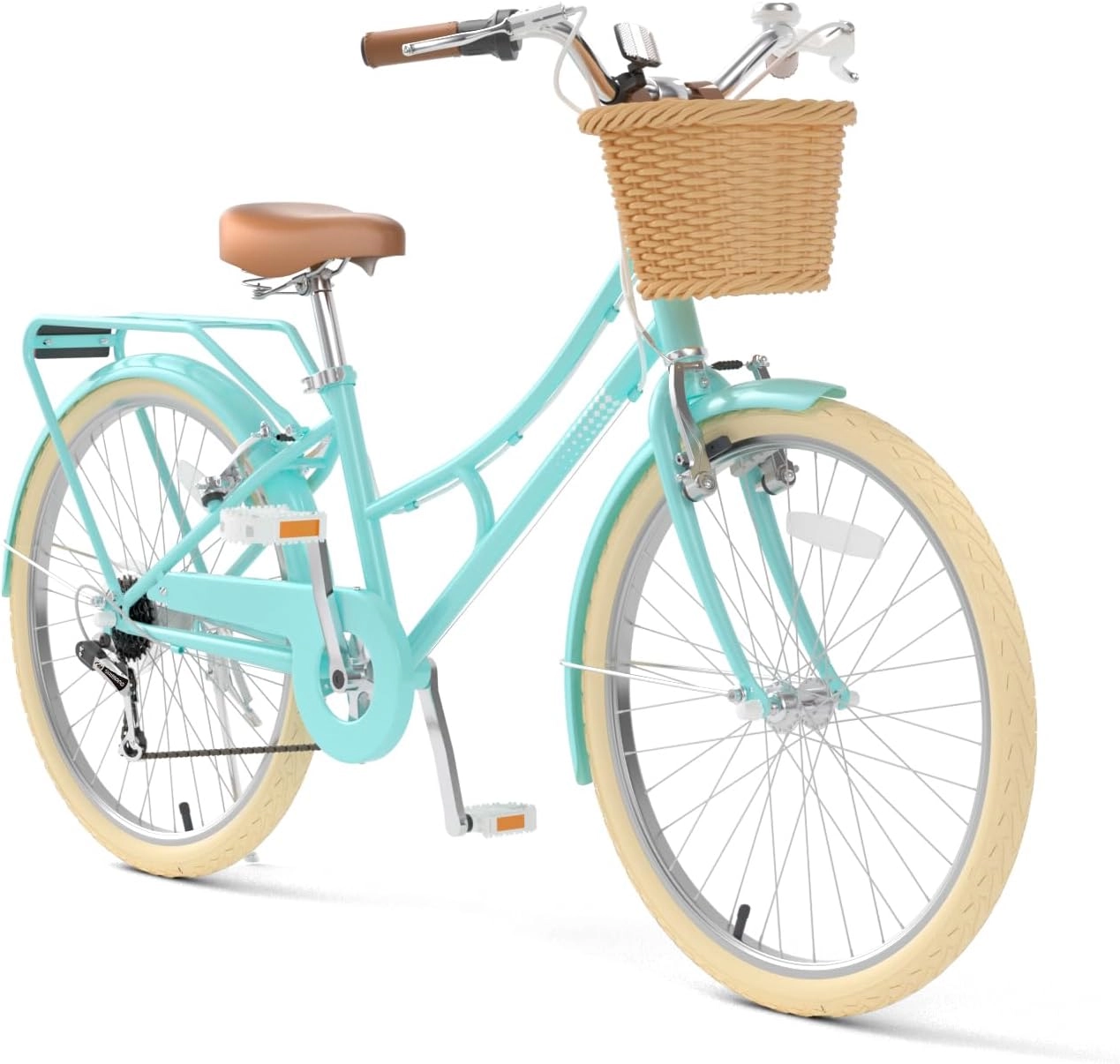
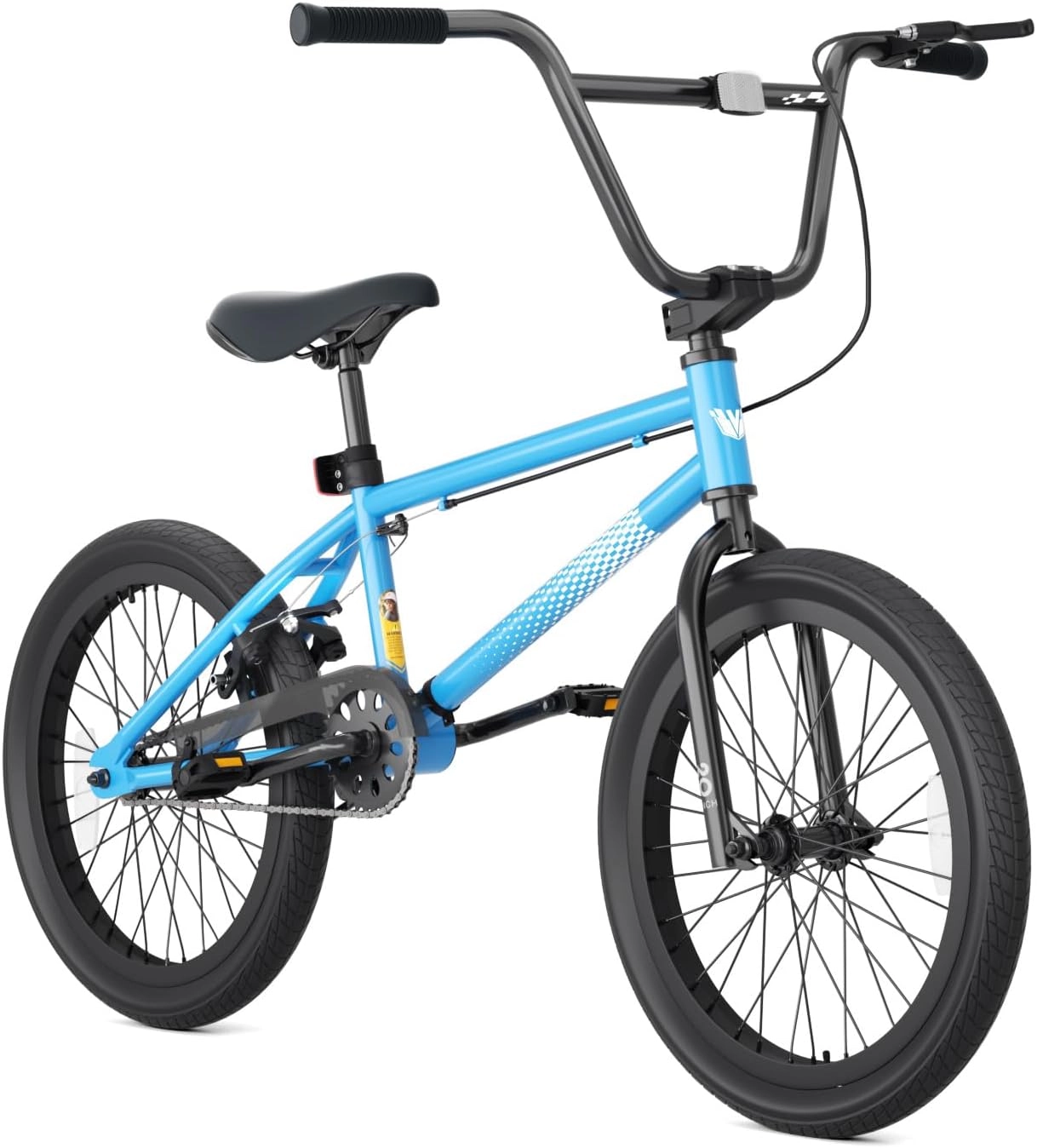
The XJD Mint Green Beach Cruiser and XJD Blue 20-Inch Freestyle BMX Bike use different wheel, brake and tire configurations. Their contrast shows why the printed tire dimensions and actual clearances matter more than the broad labels cruiser or BMX. A replacement must match the specific fitted rim and leave proper brake and frame space.
Practical checklist
- Stop before full inflation if uneven.
- Match complete tire and rim markings.
- Keep the tube clear of the bead.
- Check brakes and retention afterward.
Frequently asked questions
Can soapy water help seat a bicycle tire bead?
Use only a mounting aid and method approved by the tire maker; oils and unapproved lubricants can damage materials or allow movement.
Is a slightly uneven tire safe for a child?
Do not ride until the seating line is uniform and a bulge, incompatible size, trapped tube and rim damage have been ruled out.
Before making the final choice, revisit the exact route or driving area at the time it will normally be used. A setup that works during a quiet test may need more room, visibility or adult support when other people and everyday obstacles are present.
Bottom line
Use the answer to kids bike tire bead not seated evenly as a decision process, not a shortcut. Confirm the live product data and manual, match the rider to the controls and setting, and favor repeatable control over a larger size or higher performance label.
Recommended products
-
Save 14%
XJD Beach Cruiser Bike with Rear Rack & V-Brake – Mint Green
XJD Beach Cruiser Bike with Rear Rack & V-Brake – Mint Green brings the reco…
Beach Cruiser Bikes Training Wheels No Geared 20 Inch -
Save 14%
XJD Beach Cruiser Bike with Rear Rack & V-Brake – Pink
XJD Beach Cruiser Bike with Rear Rack & V-Brake – Pink brings the recorded f…
Beach Cruiser Bikes Training Wheels No Geared 20 Inch -
Save 5%
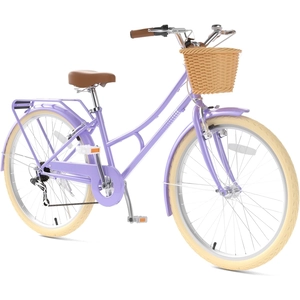
XJD Beach Cruiser Bike with V-Brake – Purple, 26-Inch
XJD Beach Cruiser Bike with V-Brake – Purple, 26-Inch brings the recorded fit, r…
Beach Cruiser Bikes Training Wheels No Geared Purple / 26 Inch -
Save 20%
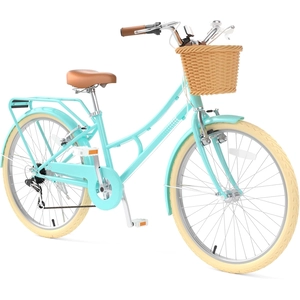
XJD Beach Cruiser Bike with U-Brake – Green, 24-Inch
XJD Beach Cruiser Bike with U-Brake – Green, 24-Inch brings the recorded fit, ri…
Beach Cruiser Bikes Training Wheels No Single Speed Green / 24 Inch