

Kids Bike Wheel Won't Spin Freely: What to Check
When a kids bike wheel won't spin freely, the cause may be simple contact or a part that needs skilled service. A rim brake can remain against the rim, the tire can rub the frame, debris can wrap around an axle, or a damaged hub can bind. Do not judge the bicycle by how many seconds the wheel spins; look for the specific source of resistance.
Compare the front and rear wheel
Support the bike only as its manual allows and rotate each wheel slowly without touching the spokes. Notice whether resistance is continuous, appears once per revolution or changes when the brake is used. Listen for a scrape, click or grind and watch the wheel's path. A wheel that moves sideways as well as slowing may need a separate trueness or retention inspection.
Look for brake contact
Observe the gap between each brake pad and its intended braking surface. A pad touching constantly, a cable that does not release, or a brake arm that returns unevenly can slow the wheel. Brake designs use different centering and cable procedures. Keep lubricant away from pads and rims, and use the exact service instructions or a technician for adjustment.
Check tire and frame clearance
An under-seated or oversized tire can touch the fork, frame, guard or fender. Check the sidewall size, seating line and approved pressure, then turn the wheel while watching both sides. Do not remove a safety guard, bend a fender or inflate beyond the marked range to create space. New rubbing after a fall or transport deserves structural inspection.
Remove only accessible debris
Switch to a stable, power-free work position and look for grass, string, straps or packaging around the hub and axle. Cut or unwind material only when the manual permits safe access and the wheel cannot move unexpectedly. Do not insert tools into bearings or pry sealed covers. Check that no basket strap, rack load or clothing can reach the wheel.
Recognize hub and axle warning signs
Grinding, axle play, heat, damaged retention hardware or a wheel that stops abruptly after brake contact is ruled out can indicate bearing or hub trouble. Do not loosen bearing cones or add random oil. A bicycle shop can assess bearing adjustment and damage, then verify wheel retention, alignment and braking before a controlled return-to-ride check.
How current product examples clarify the choice
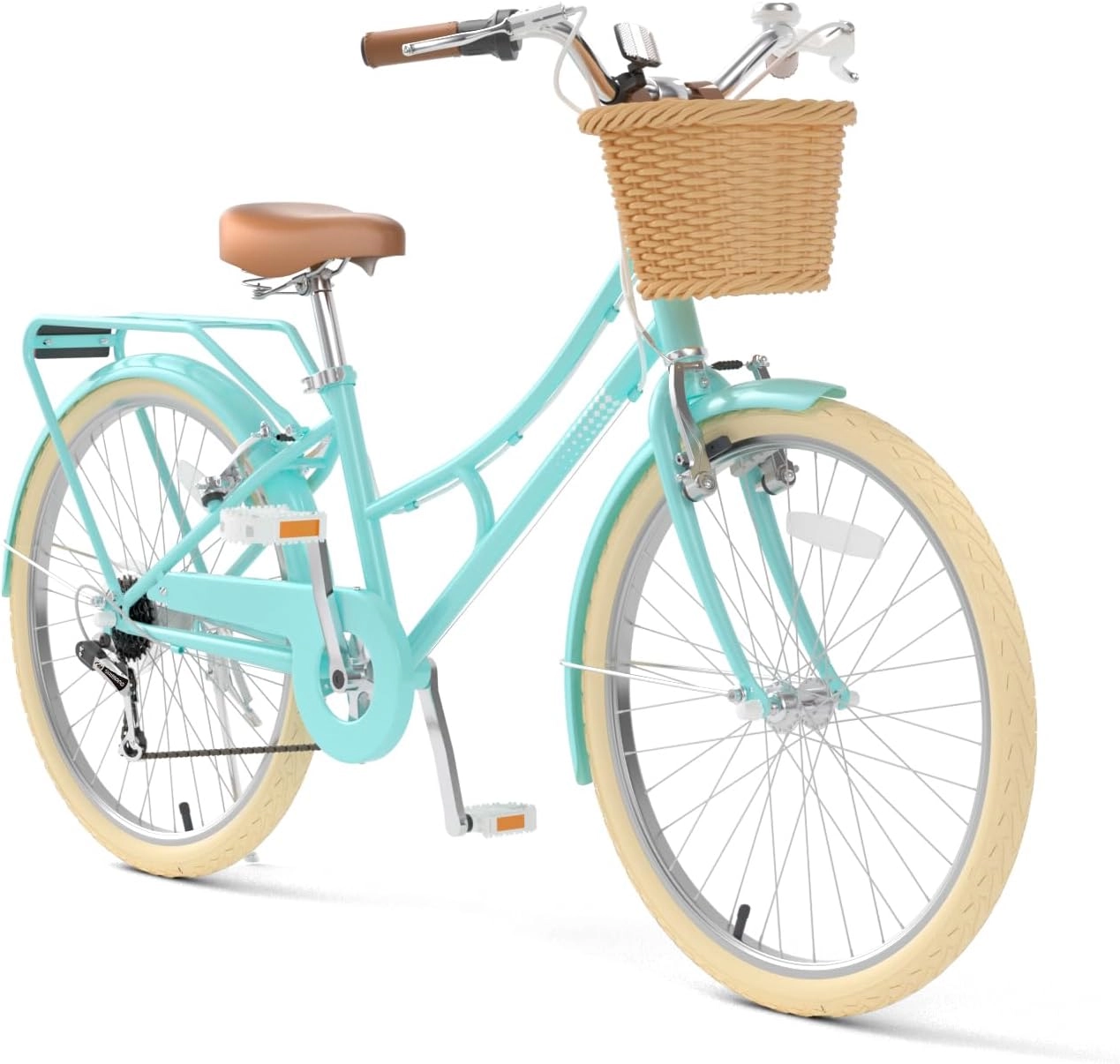
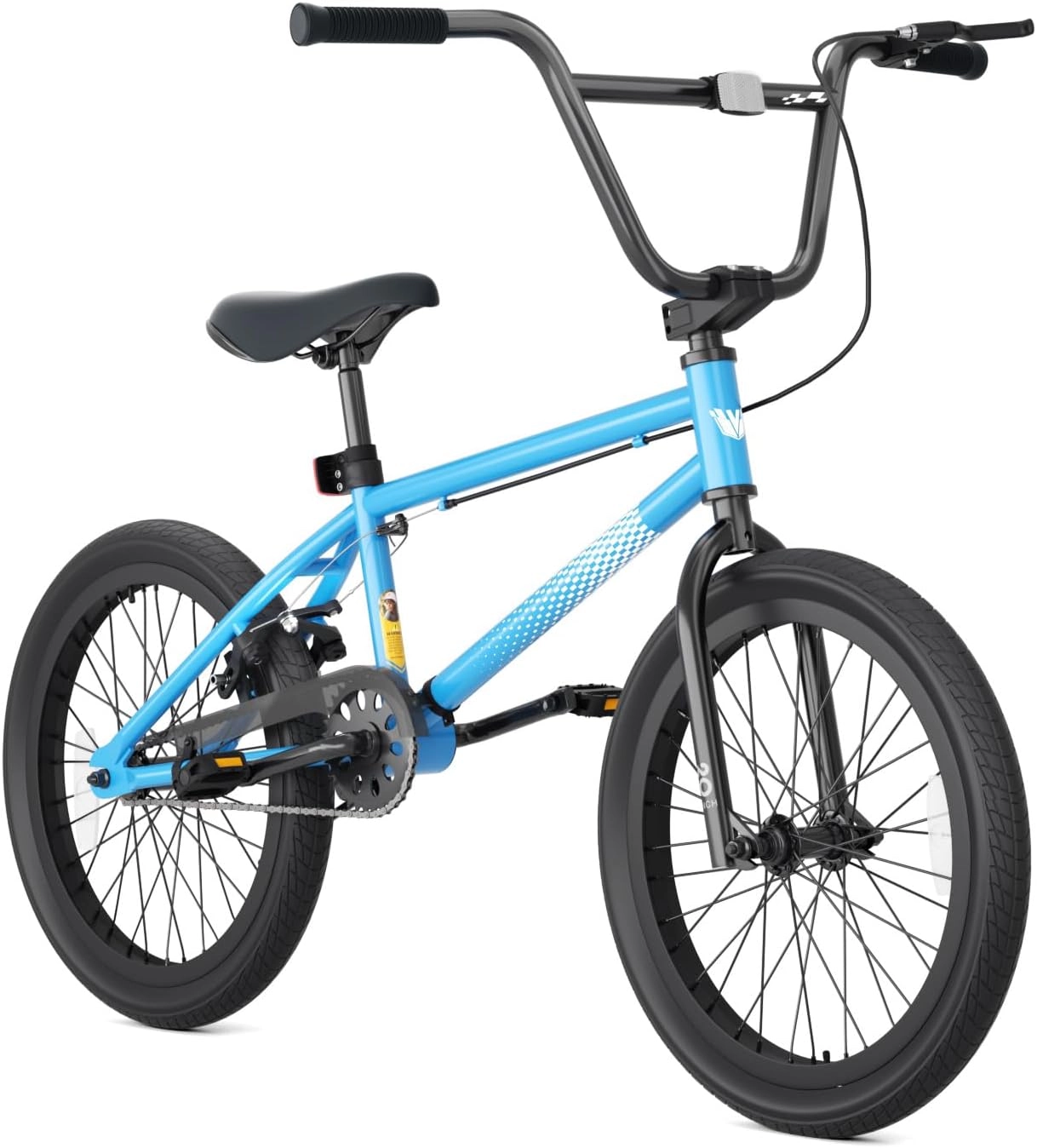
The XJD Mint Green Beach Cruiser uses V-brakes and a geared rear wheel, while the XJD Blue 20-Inch Freestyle BMX Bike uses U-brakes and wide 20 x 2.4-inch tires. These examples show why a slow wheel must be checked as a complete system: brake clearance, tire clearance and hub configuration differ even when the symptom sounds identical.
Practical checklist
- Locate the exact rubbing or binding point.
- Keep lubricant away from brakes.
- Confirm tire seating and clearance.
- Leave grinding bearings to a technician.
Frequently asked questions
Should a kids bike wheel spin for a certain number of seconds?
No universal time proves safety. Smooth movement, correct clearance, secure retention and normal brake function matter more.
Can tight axle nuts make a wheel bind?
Some assemblies can be affected by incorrect hardware or adjustment, but use the model instructions rather than loosening wheel retention by guesswork.
Before making the final choice, revisit the exact route or driving area at the time it will normally be used. A setup that works during a quiet test may need more room, visibility or adult support when other people and everyday obstacles are present.
Bottom line
Use the answer to kids bike wheel won't spin freely as a decision process, not a shortcut. Confirm the live product data and manual, match the rider to the controls and setting, and favor repeatable control over a larger size or higher performance label.
Bikes for your next adventure
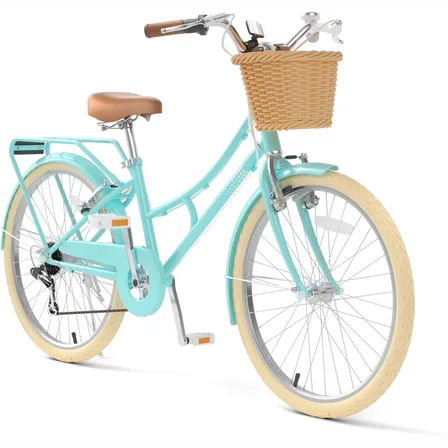
XJD Beach Cruiser Bike with Rear Rack & V-Brake – Mint Green
8 reviews
XJD Beach Cruiser Bike with Rear Rack & V-Brake – Mint Green brings the reco…$179.99
$209.99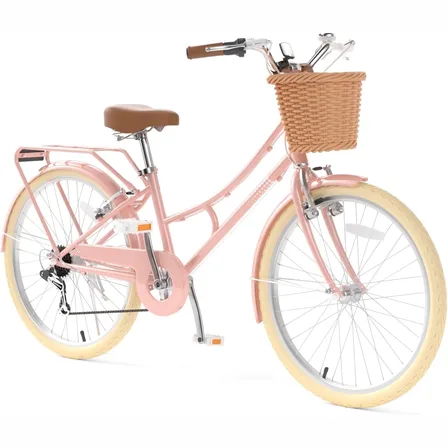
XJD Beach Cruiser Bike with Rear Rack & V-Brake – Pink
4 reviews
XJD Beach Cruiser Bike with Rear Rack & V-Brake – Pink brings the recorded f…$179.99
$209.99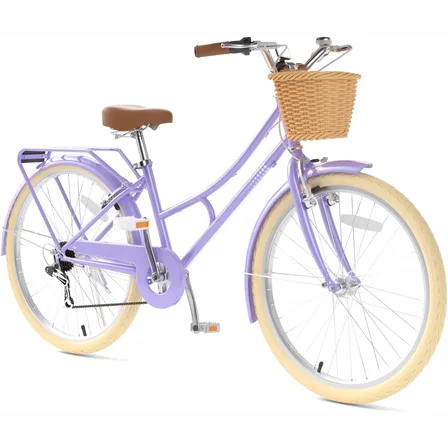
XJD Beach Cruiser Bike with V-Brake – Purple, 26-Inch
XJD Beach Cruiser Bike with V-Brake – Purple, 26-Inch brings the recorded fit, r…$218.49
$229.99