

Kids Bike Cable Ferrules: Identify Housing Ends Before Ordering Small Parts
Kids bike cable ferrules are the fittings found at some ends of the outer cable housing. They serve a different job from a small cap crimped over the exposed inner wire. Before ordering a missing-looking part, identify which location you are examining and what the actual brake component requires. Not every housing socket uses a separate ferrule, and an almost-fitting substitute can interfere with proper seating.
Locate kids bike cable ferrules in the control path
With the bicycle stationary, follow the visible outer housing from the hand lever toward the brake. Identify where a housing section ends and which component receives it. Keep the cable connected while recording the layout unless the service instructions call for removal. Take a clear photograph of the suspected location and another of the whole brake. Those two views help distinguish a housing-end question from a loose bare-wire end or a damaged adjuster.
Keep the housing fitting and wire cap distinct
A housing ferrule supports the end of the outer casing where the component design calls for one. A cable end cap covers the cut exposed wire and is crimped in place. Their similar size does not make them interchangeable. Do not put a wire cap into a housing socket or cover an uncertain housing end with tape. The identification task is to preserve the intended force path and cable movement, rather than make an exposed end look finished.
Check whether that socket requires a separate piece
Some receiving parts are sized to accept housing directly; others require a specified ferrule. Use the exact lever, brake or adjuster instructions to decide. Adding a ferrule where it is not intended can prevent proper seating just as an omitted required one can. Ask about the housing type, outside diameter and receiving component together. Do not transfer a shift-housing fitting to a brake system merely because its outside color or general shape looks familiar.
Respect the two XJD braking arrangements
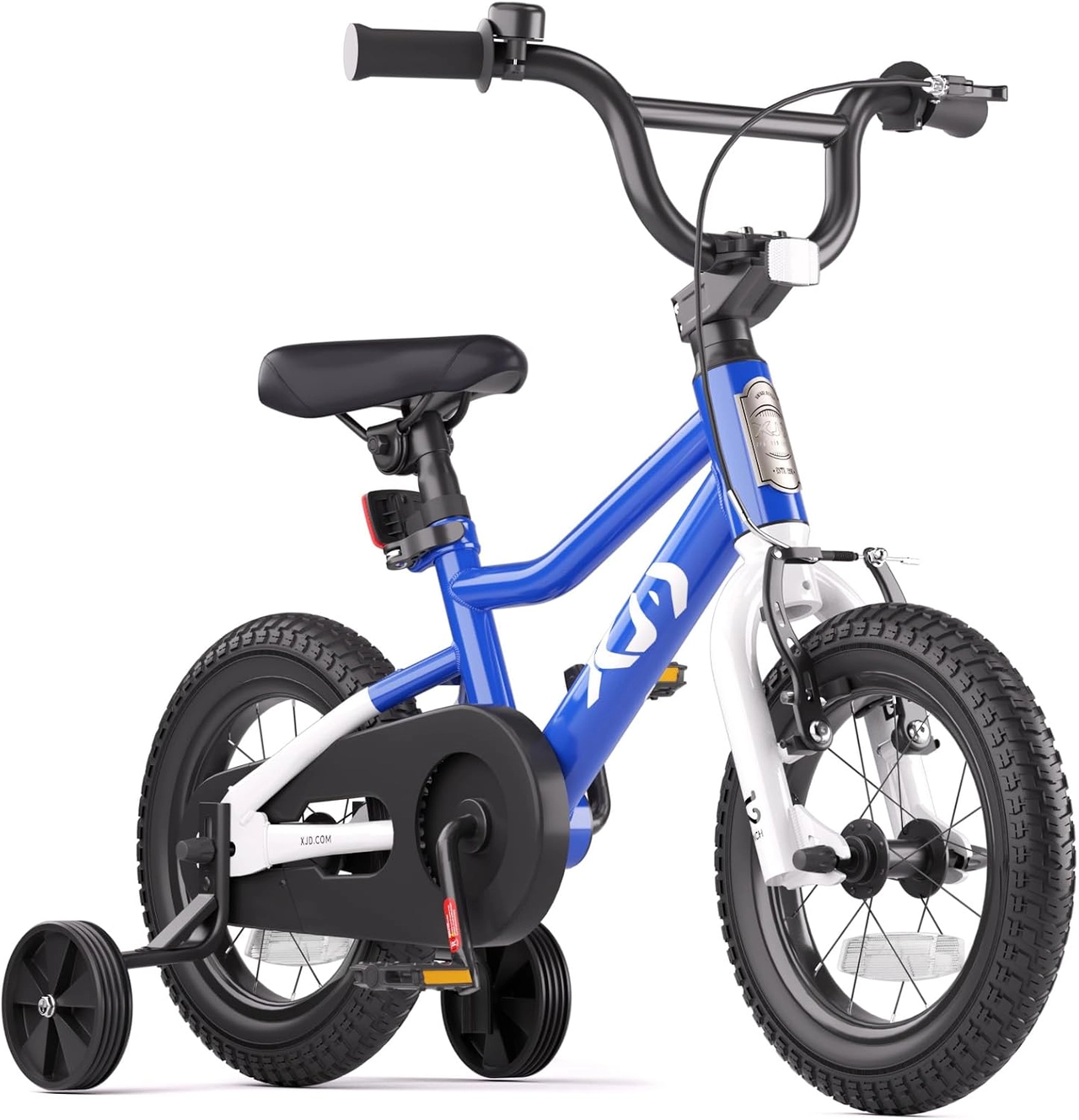
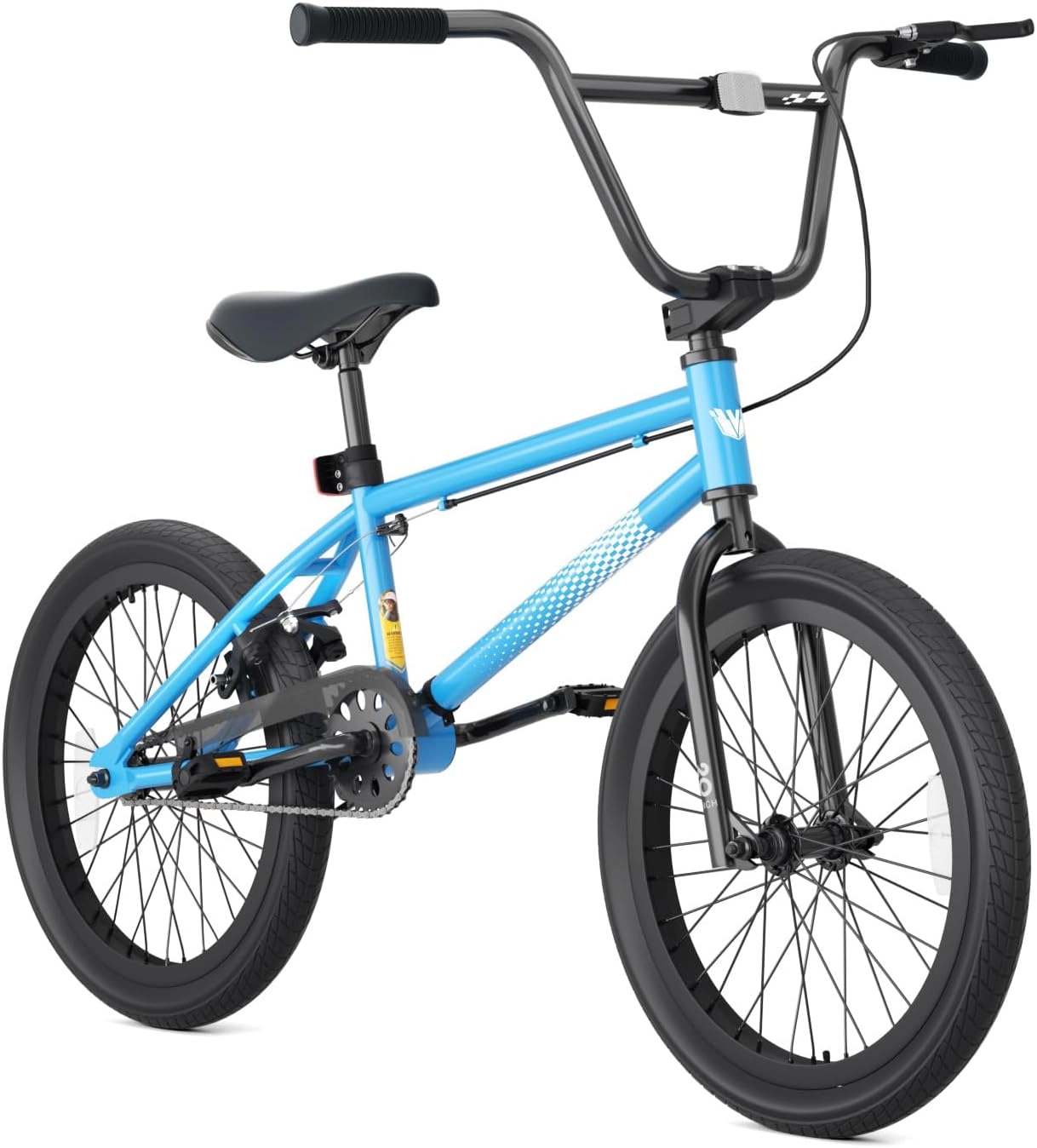
The Blue training BMX-style model describes a front caliper hand brake and a rear coaster brake. The separate Blue 20-inch no-pegs freestyle model describes hand-operated U-brakes. Their cable routes and receiving parts need separate identification. The smaller bicycle’s rear coaster mechanism is not another hand-brake housing run to copy. Catalog brake names narrow the question but do not provide ferrule dimensions, material or an interchangeable small-parts number.
Include housing condition in the repair decision
A fitting alone may not resolve a crushed, split or poorly cut housing end. Have a competent technician assess the complete affected control and use the approved parts and preparation. After service, verify seating, secure cable attachment, lever travel, brake engagement and release through the real instructions. Keep the resolved component identities with the bicycle’s records. Avoid a riding test while a housing end remains partly seated or its required support is uncertain.
Model details relevant to this task
These two actual Blue bicycles illustrate different brake systems. Their photographs are useful for identifying the complete layout, not for measuring a hidden ferrule or approving cable-housing interchangeability. No generic ferrule size, tool pressure or installation torque is assigned to either model in this guide. The linked model details are available for XJD Kids BMX Bike with Training Wheels – Blue, XJD 20-Inch Freestyle BMX Bike without Pegs – Blue.
Quick checklist
- Find the housing endpoint.
- Distinguish ferrule from wire cap.
- Read the receiving-part requirement.
- Match the complete control system.
- Verify braking after service.
Common questions
Does every housing end need a ferrule?
No. Follow the actual receiving component’s design and service instructions.
Is a ferrule the same as a cable end cap?
No. One supports a housing end where required; the other finishes the exposed inner wire.
Can a ferrule repair split outer housing?
Do not treat it as a repair sleeve. Have damaged housing and the complete affected control assessed.
Related collections
The children’s BMX brake layouts and training-wheel control configurations provide further model details. Check the exact selected configuration when planning fit, handling and care.
Before the next outing
Identify kids bike cable ferrules by their actual housing location and receiving component. Obtain the correct complete arrangement, assess housing condition and verify the finished brake before the next ride.