Kids Bike Chain Too Tight: Symptoms and Safe Checks
A kids bike chain too tight can make pedaling heavy, create a repeating tight spot and place unnecessary load on the rear hub or crank bearings. On a single-speed bicycle, chain tension also changes as the rear wheel position changes. Keep the child off the bike while an adult checks the symptom, because loosening axle hardware without a complete realignment can create a more serious wheel-retention or brake problem.
Separate normal resistance from binding
Support the bicycle only as its manual allows and rotate the crank slowly while keeping fingers and clothing away from the chain. Note whether resistance stays constant or rises once per chainring revolution. Brake rub, a damaged guard, stiff chain link or rough bearing can feel similar. Do not diagnose tension solely by how long a lifted wheel spins.
Look for a changing tight spot
Chains and sprockets are not always perfectly concentric, so slack may vary through one full crank rotation. Observe the accessible lower chain run at several positions without pressing into moving parts. If it becomes rigid at one point, binds, snaps into teeth or pulls the rear wheel, stop. Setting tension at the loosest point can leave the tightest point dangerously over-tensioned.
Inspect alignment and condition
From behind the stationary bicycle, visually compare the chainring, rear sprocket and chain line. Look for a cocked rear wheel, bent tooth, stiff or damaged link, severe rust and guard contact. A chain that was recently reinstalled may be the wrong length or routed incorrectly. Do not remove links, bend sprockets or pry the wheel into place without exact service information.
Understand the rear-wheel connection
Many single-speed bikes set chain slack by moving the rear wheel, which also affects wheel centering, axle retention and sometimes brake position. Both axle sides must follow the specified sequence and torque. Randomly backing off one nut can leave the wheel crooked or insecure. Training-wheel brackets may share this area and must return to their approved order and alignment.
Prove the complete repair
After a qualified adjustment, rotate the drivetrain through multiple revolutions and confirm smooth movement throughout. Check that the chain remains engaged, the guard clears, the wheel is centered and securely retained, and both brakes work normally. Use a short adult-controlled walking-speed test on level ground. Recurring binding, noise, heat or shifting alignment needs shop inspection.
How current product examples clarify the choice
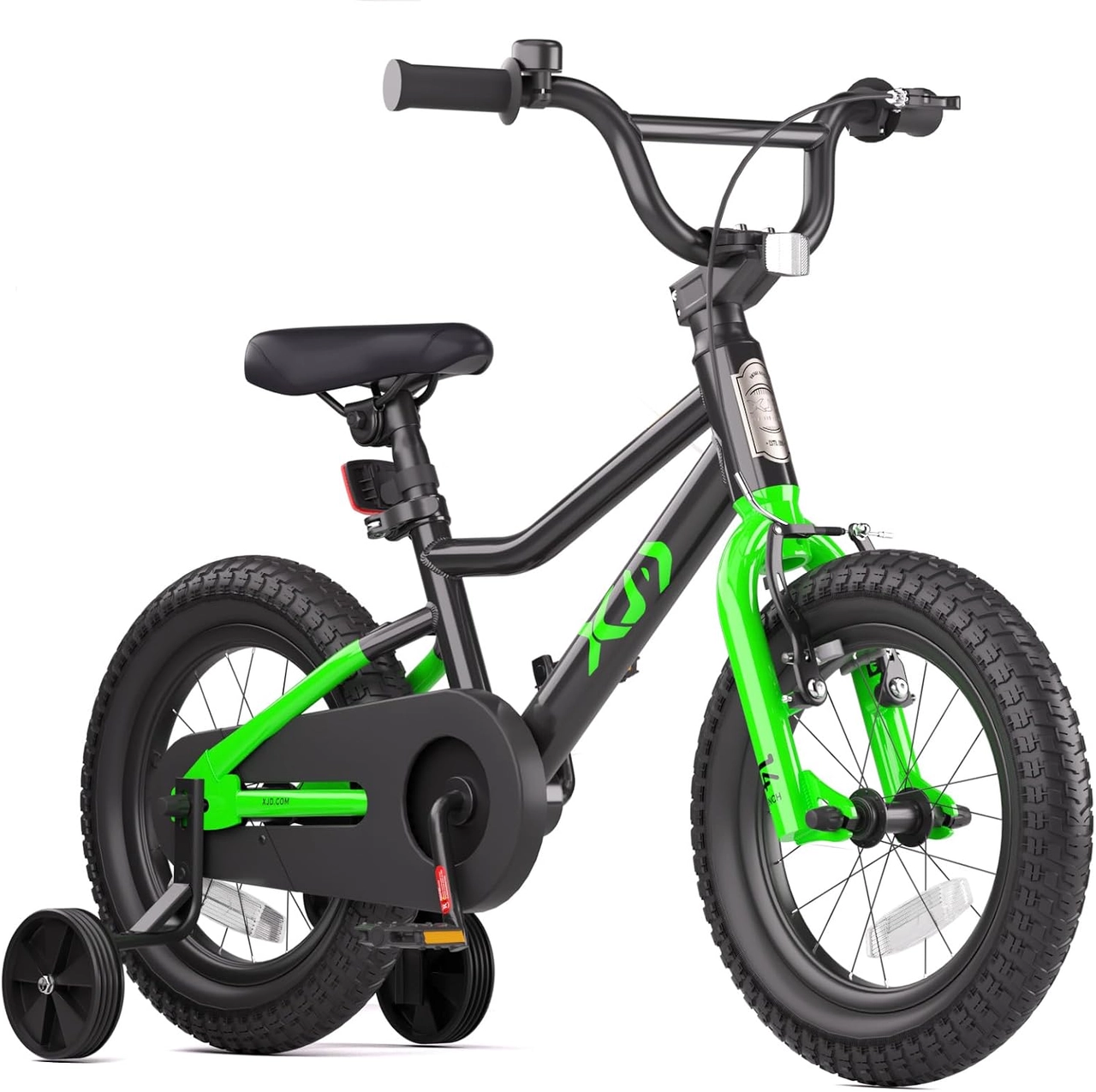
The XJD Black Kids BMX Bike with Training Wheels uses a single-speed layout with a chain guard and optional training-wheel hardware near the rear axle. That makes it a useful example of the connected system: chain slack, wheel alignment, guard clearance and support-wheel installation must all remain correct after any rear-wheel work.
Practical checklist
- Rotate through a full cycle.
- Check the tightest chain position.
- Keep the rear wheel centered and secure.
- Verify the guard and both brakes.
Frequently asked questions
How much slack should a kids bike chain have?
Use the exact bicycle specification because drivetrain and chain-run measurements vary; a generic finger test is not a reliable universal setting.
Will a tight chain loosen by itself?
Wear may change tension, but riding to force that change can damage parts. Correct the cause before the child rides.
Before making the final choice, revisit the exact route or driving area at the time it will normally be used. A setup that works during a quiet test may need more room, visibility or adult support when other people and everyday obstacles are present.
Bottom line
Use the answer to kids bike chain too tight as a decision process, not a shortcut. Confirm the live product data and manual, match the rider to the controls and setting, and favor repeatable control over a larger size or higher performance label.
Recommended products
-
Save 16%
XJD Kids BMX Bike with Training Wheels – Pink Blue
XJD Kids BMX Bike with Training Wheels – Pink Blue brings the recorded fit, ridi…
Kids' BMX Bikes Training Wheels Yes Single Speed 12 Inch -
Save 16%
XJD Kids BMX Bike with Training Wheels – Blue
XJD Kids BMX Bike with Training Wheels – Blue brings the recorded fit, riding an…
Kids' BMX Bikes Training Wheels Yes Single Speed 12 Inch -
Save 16%
XJD Kids BMX Bike with Training Wheels – Black
XJD Kids BMX Bike with Training Wheels – Black brings the recorded fit, riding a…
Kids' BMX Bikes Training Wheels Yes Single Speed 12 Inch -
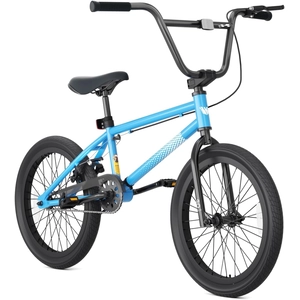
XJD 20-Inch Freestyle BMX Bike without Pegs – Blue
XJD 20-Inch Freestyle BMX Bike without Pegs – Blue brings the recorded fit, ridi…
Kids' BMX Bikes Training Wheels No Single Speed