Kids Bike Stem Loose: Steering Safety Checklist
A kids bike stem loose can allow the handlebar to rotate in the clamp or the entire stem to turn separately from the front wheel. Either condition can cause sudden loss of steering. Keep the child off the bicycle, identify which joint moves, and use the exact stem design and torque instructions rather than tightening every visible bolt.
Identify the moving joint
With the bicycle stable, apply only gentle hand pressure while watching the handlebar-to-stem clamp and stem-to-fork connection. Do not trap the tire between your legs or use body weight. Record whether the bar rolls, the stem turns, or play appears at the headset. Each symptom involves different hardware and procedures.
Look for damage and limits
Inspect for cracks, dents, corrosion, missing caps, rounded fasteners and clamp gaps that differ from the manual. On a quill-style part, find the minimum-insertion mark; on other systems, check the approved spacer and clamp arrangement. A hidden or exceeded safety mark cannot be corrected with extra tightening.
Check cables through steering
If nothing appears structurally damaged, turn the front end slowly left and right. Brake and shift cables should not pull tight, kink, wrap or activate a control. Accessories must remain clear. Do not rotate the bar to a new position while ignoring a cable that was already routed incorrectly or damaged in a fall.
Follow the correct fastener sequence
Stem systems use fasteners for distinct purposes, including alignment, bearing preload and clamping. Generic torque values or maximum hand force can damage components or bind steering. Clean and prepare threads only as specified, use a torque-controlled tool where required, and let a bicycle shop handle uncertain or damaged interfaces.
Prove steering before riding
After approved correction, align the bar and wheel, check the headset for smooth movement without play, and confirm the stem resists the manual's stationary test. Operate both brakes. An adult then walks the bike through turns and completes a low-speed test. Any shift, creak or returning looseness requires service.
How current product examples clarify the choice
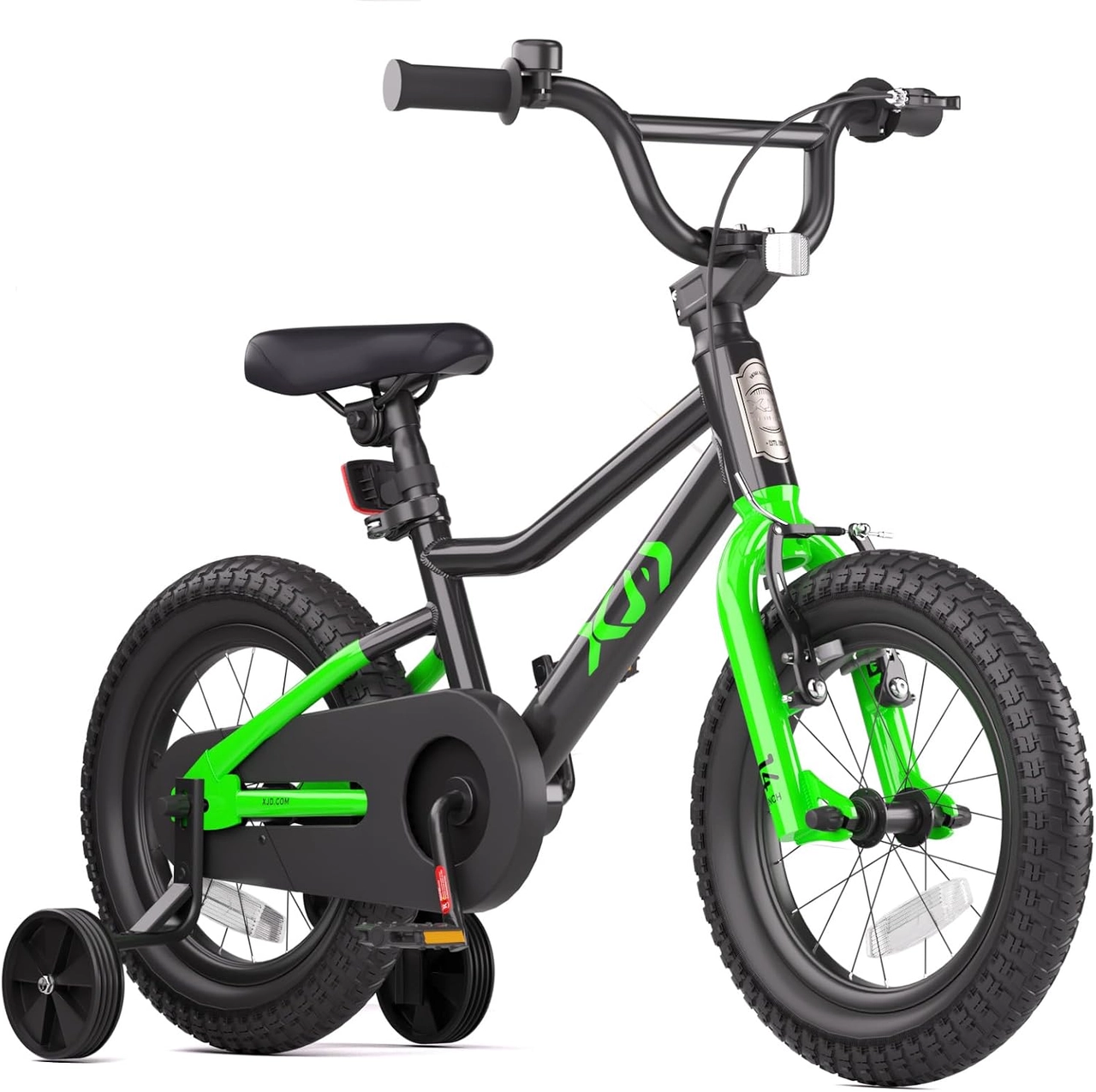
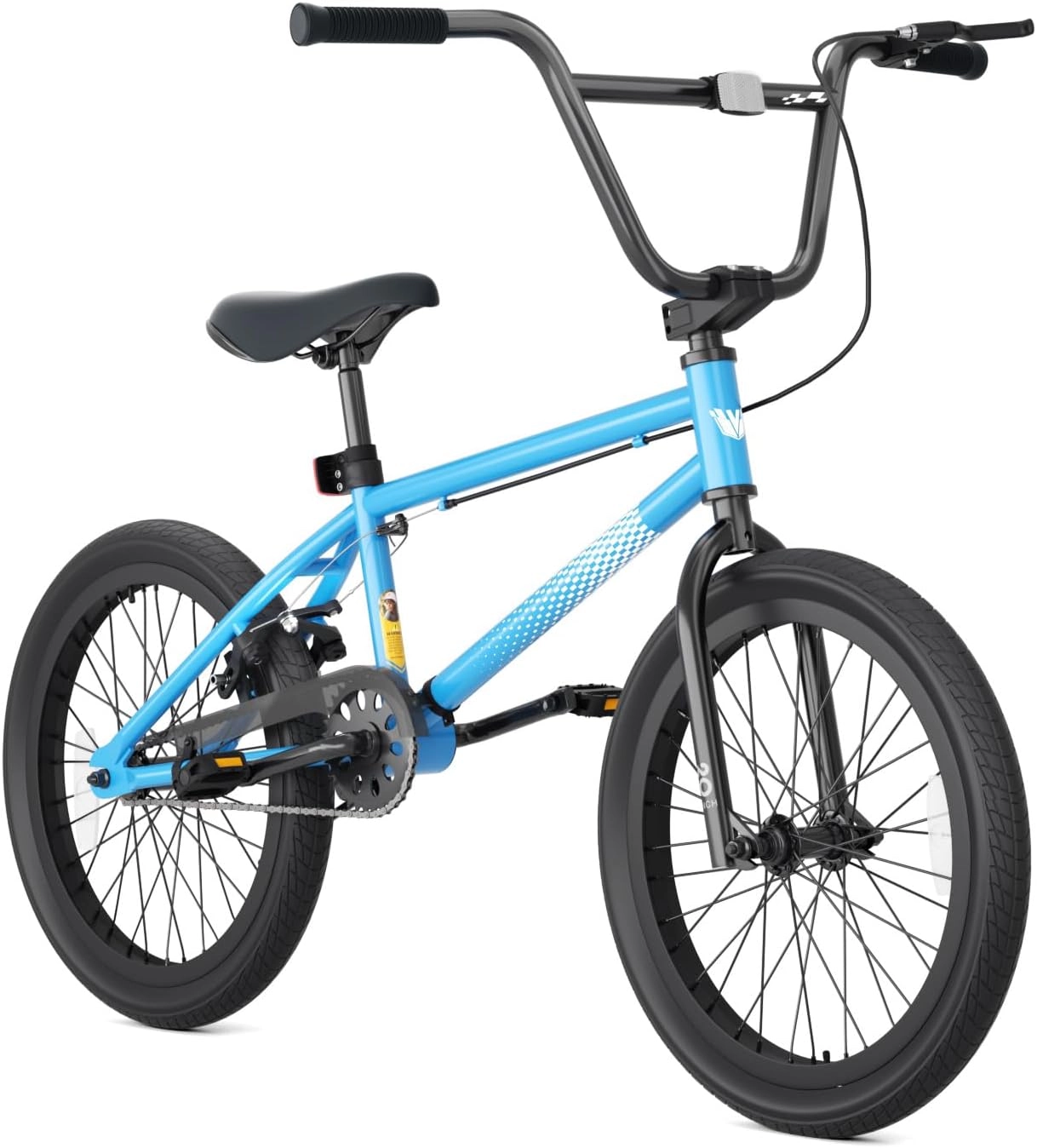
The XJD Black Kids BMX Bike with Training Wheels and XJD Blue 20-Inch Freestyle BMX Bike represent different size and front-end arrangements. The shared BMX label does not guarantee identical stem hardware. Use the manual and component markings for the exact selected bicycle before deciding which fastener controls alignment or clamping.
Practical checklist
- Locate the joint that moves.
- Respect every insertion mark.
- Keep cables free through full steering.
- Use the specified torque sequence.
Frequently asked questions
Can I ride if the stem only moves under strong force?
Do not use excessive force as a test. If normal steering pressure causes movement or security is uncertain, keep the bike parked.
Is the top bolt always the stem-tightening bolt?
No. Fastener roles vary, and on common threadless systems the top cap and stem clamps serve different purposes.
Before making the final choice, revisit the exact route or driving area at the time it will normally be used. A setup that works during a quiet test may need more room, visibility or adult support when other people and everyday obstacles are present.
Bottom line
Use the answer to kids bike stem loose as a decision process, not a shortcut. Confirm the live product data and manual, match the rider to the controls and setting, and favor repeatable control over a larger size or higher performance label.
Recommended products
-
Save 16%
XJD Kids BMX Bike with Training Wheels – Pink Blue
XJD Kids BMX Bike with Training Wheels – Pink Blue brings the recorded fit, ridi…
Kids' BMX Bikes Training Wheels Yes Single Speed 12 Inch -
Save 16%
XJD Kids BMX Bike with Training Wheels – Blue
XJD Kids BMX Bike with Training Wheels – Blue brings the recorded fit, riding an…
Kids' BMX Bikes Training Wheels Yes Single Speed 12 Inch -
Save 16%
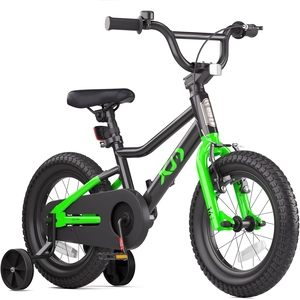
XJD Kids BMX Bike with Training Wheels – Black
XJD Kids BMX Bike with Training Wheels – Black brings the recorded fit, riding a…
Kids' BMX Bikes Training Wheels Yes Single Speed 12 Inch -
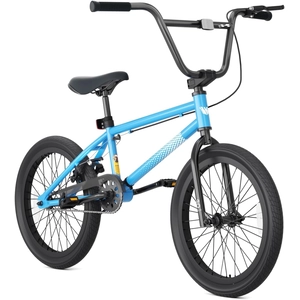
XJD 20-Inch Freestyle BMX Bike without Pegs – Blue
XJD 20-Inch Freestyle BMX Bike without Pegs – Blue brings the recorded fit, ridi…
Kids' BMX Bikes Training Wheels No Single Speed