

Kids Bike Crank Loose: Symptoms and Safe Checks
A kids bike crank loose is a stop-riding condition. The crank arms transfer every pedal stroke to the chain, and movement where an arm meets the spindle can quickly damage the fitting surface. Clicking can also come from a pedal, chain, chain guard or bottom bracket, so identify the moving part without forcing it before choosing a repair.
Separate pedal play from crank play
With the bicycle stable and no child on it, hold one crank arm near the pedal and apply gentle side-to-side pressure. Watch whether the pedal body moves on its own spindle, the pedal spindle moves in the crank, one crank arm shifts, or both arms move together through the frame. Stop if movement is obvious; do not reproduce it by standing on the pedal.
Listen and feel during slow rotation
Turn the crank only through the safe method in the bicycle manual, keeping fingers and clothing away from the chain and sprockets. A click once per revolution, rough bearing feel, scraping guard or tight spot are useful clues. Noise alone does not authorize disassembly, and a quiet crank can still be unsafe if it has visible side play.
Check the visible attachment
Crank designs differ, including one-piece and multi-piece systems. Compare both sides with the exact parts diagram and look for a missing cap, backed-out fastener, corrosion, crack or distorted interface. Do not substitute a household bolt, hammer the arm onto the spindle or tighten an unknown design to a generic torque found for another bicycle.
Understand why repeated tightening fails
If an arm or pedal has been ridden loose, its threads or tapered fitting may already be worn. Tightening can appear to hold briefly while damaged surfaces continue moving under load. Threadlocker, extra washers and excessive force do not restore missing material. A technician should inspect the crank, spindle, bottom bracket and pedal threads before the bike returns to use.
Complete a whole-drivetrain check
After an approved repair, an adult checks both crank arms, pedals, chain movement, chain guard clearance and rear-wheel alignment. Operate every brake because drivetrain or wheel service can disturb nearby parts. Rotate through several full turns, then use a walking-speed test on level ground. Any recurring click, looseness or roughness ends the test.
How current product examples clarify the choice
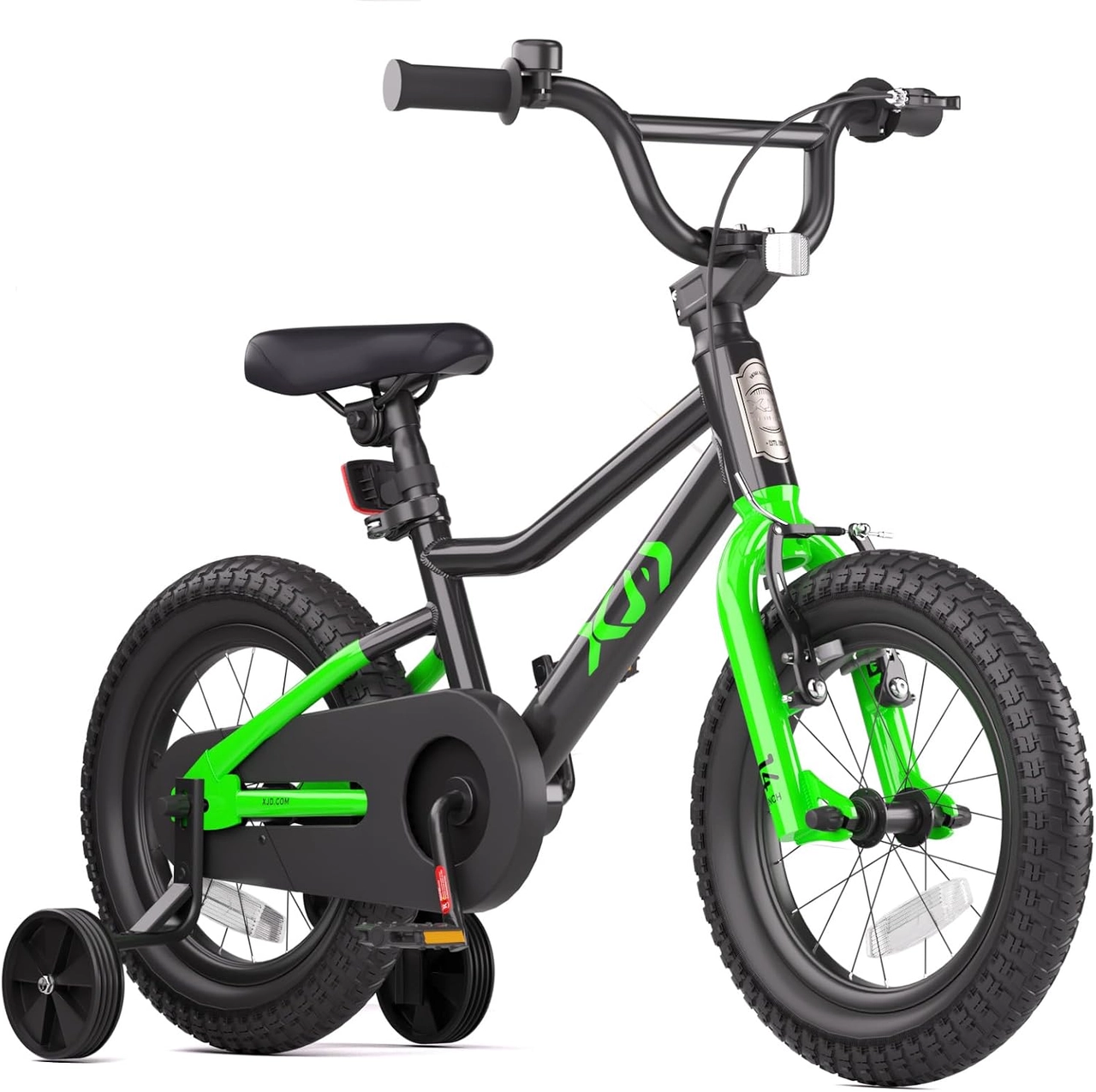
The XJD Black Kids BMX Bike with Training Wheels uses a single-speed drivetrain and enclosed chain guard. That configuration is a useful real example because a parent may hear a click near the crank while the source sits at the pedal, guarded chain area or rear hub. The exact assembly instructions should determine which parts are owner-accessible.
Practical checklist
- Stop riding as soon as crank play appears.
- Identify which joint actually moves.
- Never substitute hardware or generic torque.
- Have worn interfaces assessed professionally.
Frequently asked questions
Can a child ride with a slightly loose crank?
No. Movement can worsen quickly and damage the crank or spindle, so the bicycle should be inspected first.
Is every pedal click caused by the crank?
No. Pedals, chain, guard, bottom bracket and wheel parts can make similar sounds; isolate the source safely.
Before making the final choice, revisit the exact route or driving area at the time it will normally be used. A setup that works during a quiet test may need more room, visibility or adult support when other people and everyday obstacles are present.
Bottom line
Use the answer to kids bike crank loose as a decision process, not a shortcut. Confirm the live product data and manual, match the rider to the controls and setting, and favor repeatable control over a larger size or higher performance label.
Bikes for your next adventure
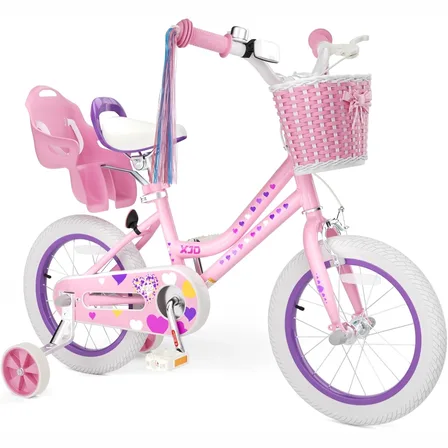
XJD Girls Bike with Training Wheels & Basket – Light Pink
7 reviews
XJD Girls Bike with Training Wheels & Basket – Light Pink brings the recorde…$109.99
$129.99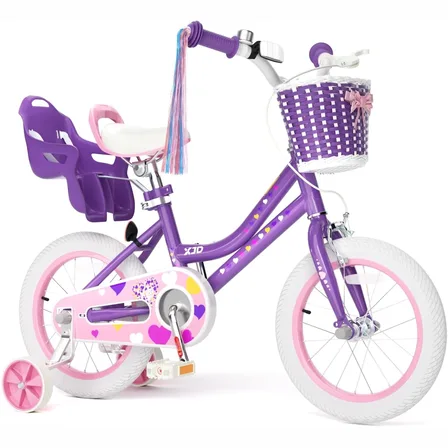
XJD Girls Bike with Training Wheels & Basket – Light Purple
XJD Girls Bike with Training Wheels & Basket – Light Purple brings the recor…$99.99
$119.99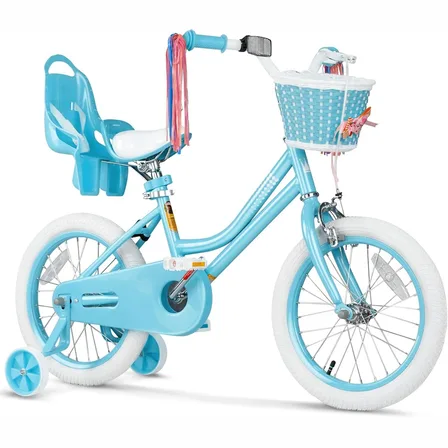
XJD Girls Bike Blue
XJD Girls Bike Blue brings the recorded fit, riding and configuration details to…$149
$169