

Kids Bike Kickstand: Does My Child Need One?
A kids bike kickstand is useful only when the bicycle is designed to accept the exact stand and the child can park it safely. Many small bikes use training wheels or do not provide an approved mounting point. A universal-looking clamp can interfere with the frame, crank, chain, tire or ground clearance, so convenience never overrides compatibility.
Decide whether the bike needs one
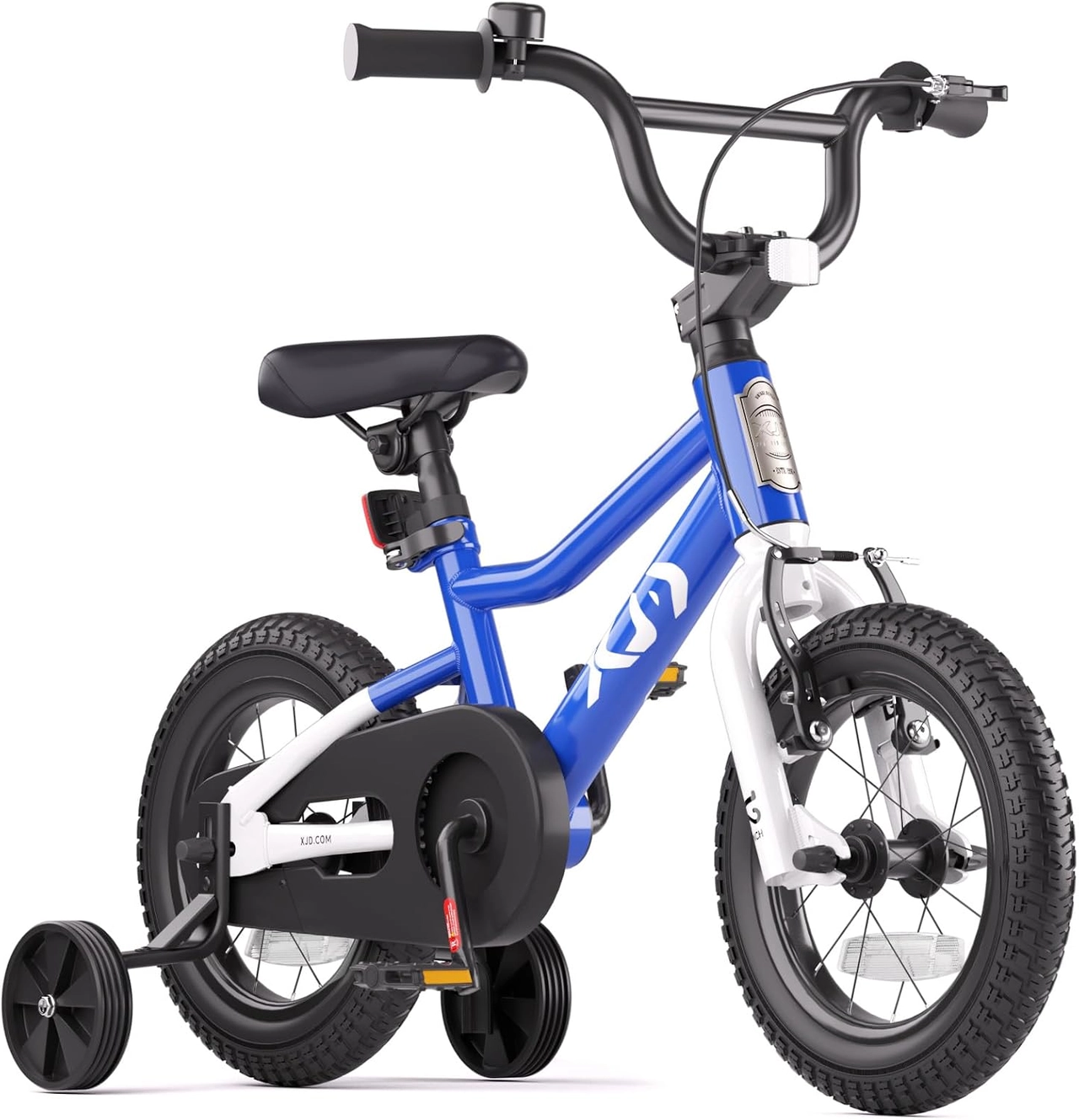
Look at where the bicycle is normally parked. A floor rack or stable wall-side space may already solve the problem. Training-wheel bikes stand differently and may not need a kickstand at all. A child who is still learning to stop and dismount should master those actions before adding a parking step.
Confirm the approved mounting point
Check the exact bicycle instructions or ask the manufacturer whether a kickstand is permitted and which length and mount are compatible. Do not clamp over cables or crush frame tubing. Avoid drilling, welding or using a stand that merely appears to fit. Frame shape and wheel diameter alone do not establish approval.
Check clearance through the full motion
With installation completed by an adult or technician, rotate the crank and rear wheel while the bike is safely supported. Fold and lower the stand as directed. It must not contact the pedal, chain, tire or brake, and it must remain fully retracted during riding. Any looseness, scraping or partial folding is a stop-use condition.
Teach a repeatable parking routine
The child should stop completely, dismount and choose firm, level ground before lowering the stand. The bike is not stable enough to sit on while parked. Avoid slopes, soft soil and crowded walkways. To leave, the rider raises the stand fully and an adult confirms it is secure before movement.
Inspect after falls and transport
A stand can loosen or bend when the bicycle falls or is squeezed in a car. Check mounting hardware and clearance without forcing a bent part back into shape. A new lean angle, rattle or contact with the crank needs qualified inspection. Never remove a necessary guard or brake part to create clearance.
How current product examples clarify the choice
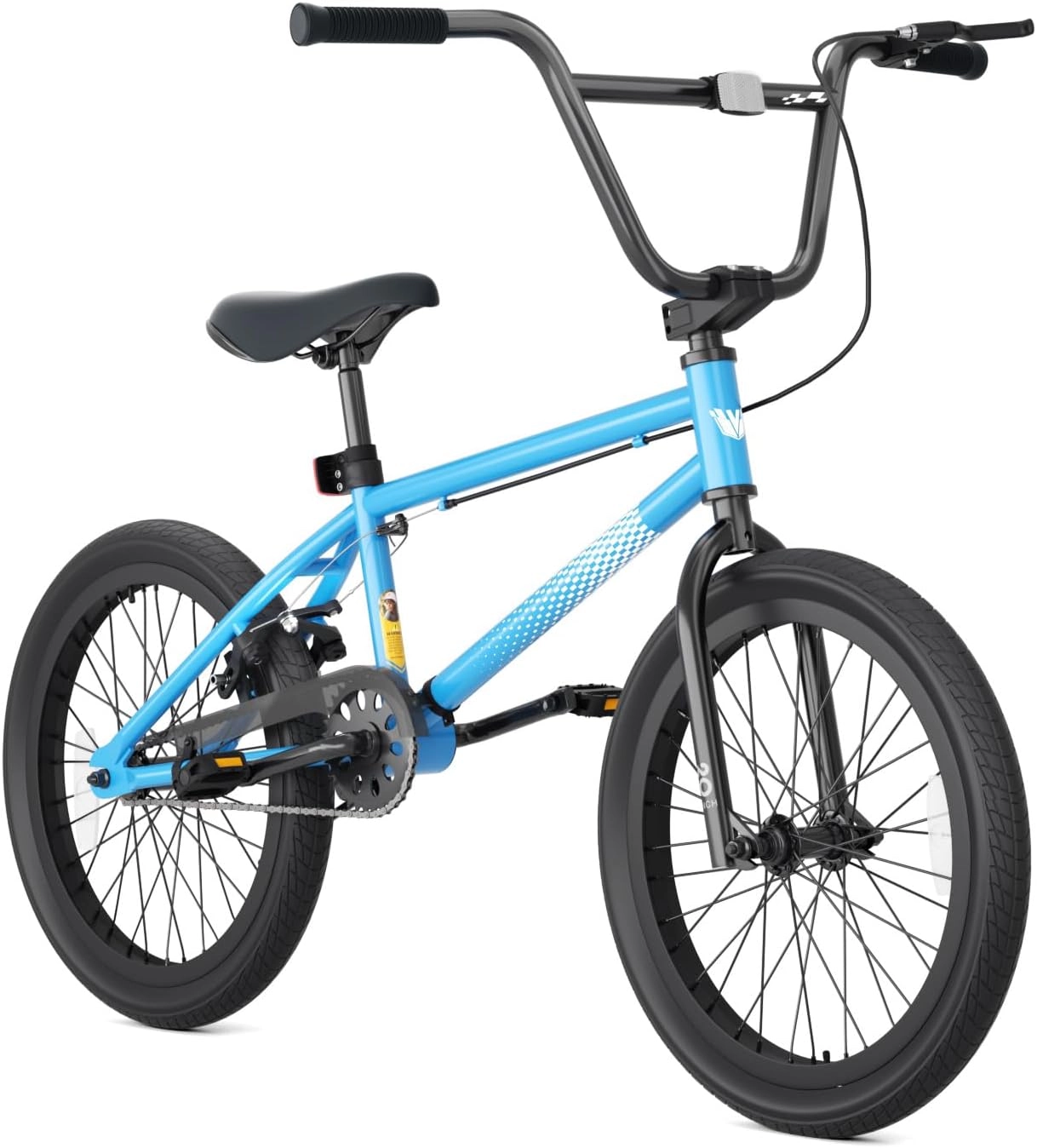
The XJD Blue Kids BMX Bike with Training Wheels represents a small supported setup where a separate kickstand may be unnecessary or unapproved. The XJD Blue 20-Inch Freestyle BMX Bike has a different frame, wide tires and no training wheels. Comparing them illustrates why a kids bike kickstand must be matched to the exact bicycle, not bought by color or wheel label alone.
Practical checklist
- Check manufacturer compatibility first.
- Keep the stand clear of moving parts.
- Park only on firm, level ground.
- Reinspect after a fall or car trip.
Frequently asked questions
Can I add a universal kickstand to any kids bike?
No. Mount, frame, length and clearance must all be approved for the exact bicycle.
Should a child sit on a bike while the stand is down?
No. A kickstand is for parking an empty bicycle, not supporting a rider.
Before making the final choice, revisit the exact route or driving area at the time it will normally be used. A setup that works during a quiet test may need more room, visibility or adult support when other people and everyday obstacles are present.
Bottom line
Use the answer to kids bike kickstand as a decision process, not a shortcut. Confirm the live product data and manual, match the rider to the controls and setting, and favor repeatable control over a larger size or higher performance label.
Bikes for your next adventure
XJD Kids BMX Bike with Training Wheels – Pink Blue
8 reviews
XJD Kids BMX Bike with Training Wheels – Pink Blue brings the recorded fit, ridi…$99.99
$119.99
XJD Kids BMX Bike with Training Wheels – Blue
8 reviews
XJD Kids BMX Bike with Training Wheels – Blue brings the recorded fit, riding an…$99.99
$119.99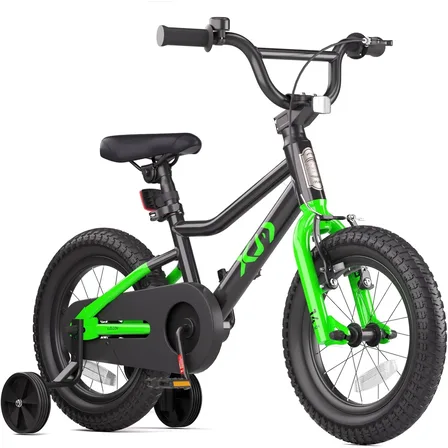
XJD Kids BMX Bike with Training Wheels – Black
XJD Kids BMX Bike with Training Wheels – Black brings the recorded fit, riding a…$99.99
$119.99