Kids Bike Tire Valve Leaking: Find the Real Cause
When a kids bike tire valve leaking problem appears, the air may escape through the valve core, around a removable core, or where the stem joins the inner tube. A poorly fitted pump can also hold the valve open or bend it. Keep the child off the bicycle, note how quickly pressure falls, and use the exact valve type before choosing a repair.
Identify the valve type
Schrader valves are wider and use a spring-loaded center pin; Presta valves are narrower and usually have a small tip nut. The inflation and service steps differ. Read the wheel and tube information rather than forcing a pump head that almost fits. An adapter changes pump compatibility but does not repair a damaged valve or unsuitable rim hole.
Locate where bubbles begin
If the tire maker permits it, use a small amount of mild soapy solution at the closed valve to observe whether bubbles form at the center, threaded core area, or base. Wipe and dry afterward. Do not immerse the complete wheel or use flammable leak sprays. A split at the rubber-to-metal base normally means the tube must be replaced.
Check pump technique and stem angle
Hold the pump head squarely, secure it according to its instructions, and remove it without sideways leverage. A stem leaning away from the hub can show that the tube has shifted inside the tire. Do not pull the valve straight while inflated. Fully controlled deflation and tube reseating may be required to prevent the rim from cutting the base.
Treat the core carefully
A loose removable core can cause slow loss, but not every valve has an owner-serviceable core. Use only the correct valve-core tool and specified method. Overtightening can damage seals or threads. If the center pin sticks, the stem is corroded, or air loss continues after an approved core check, replace the compatible tube rather than improvising.
Prove the repair over time
Inflate within the marked pressure range, inspect the tire seating line on both sides, and record a gauge reading. Recheck after a defined period under similar temperature conditions. Install the valve cap, confirm wheel retention and both brakes, then allow only an adult-supervised low-speed test. Repeated loss means the source has not been resolved.
How current product examples clarify the choice
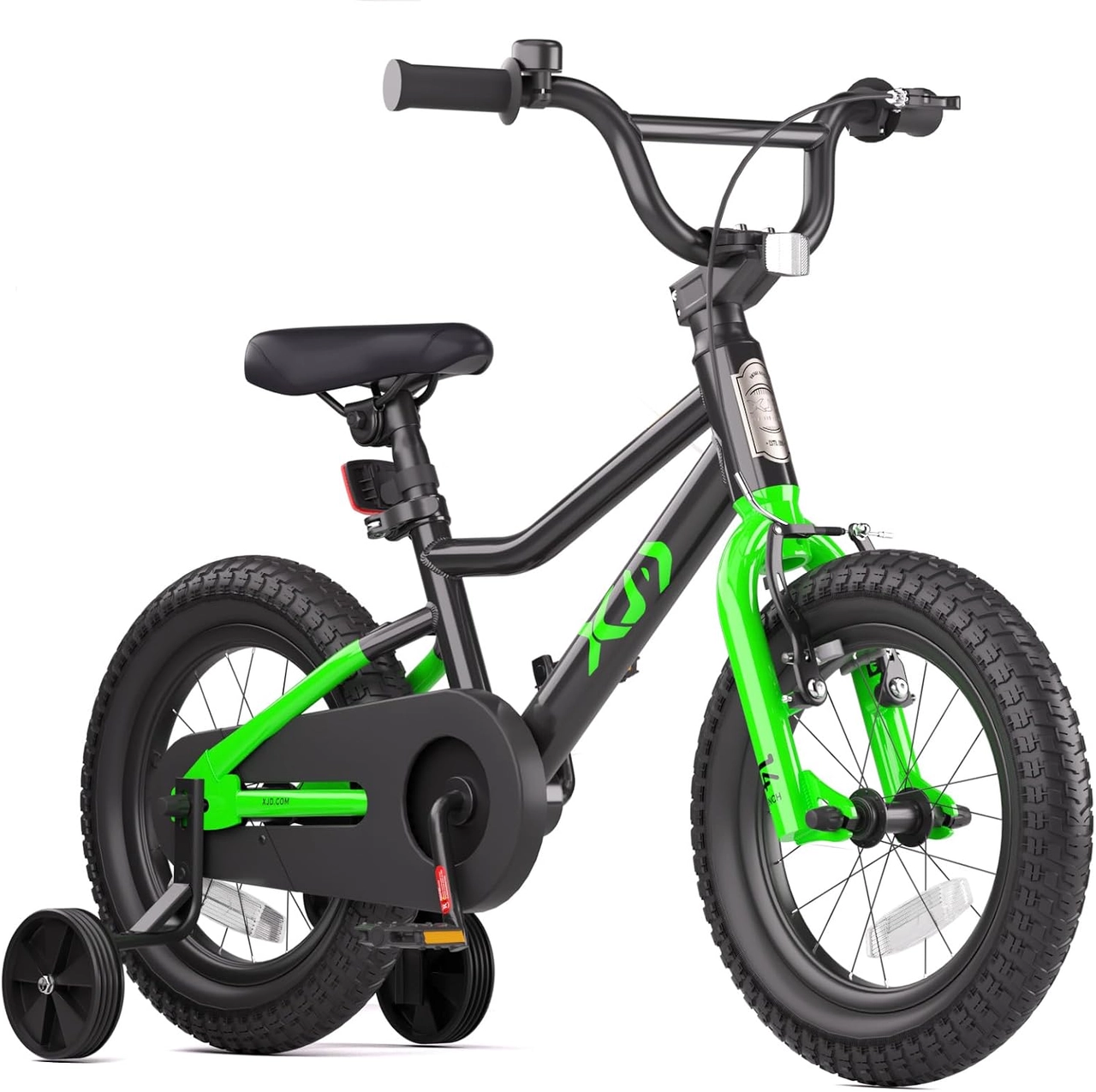
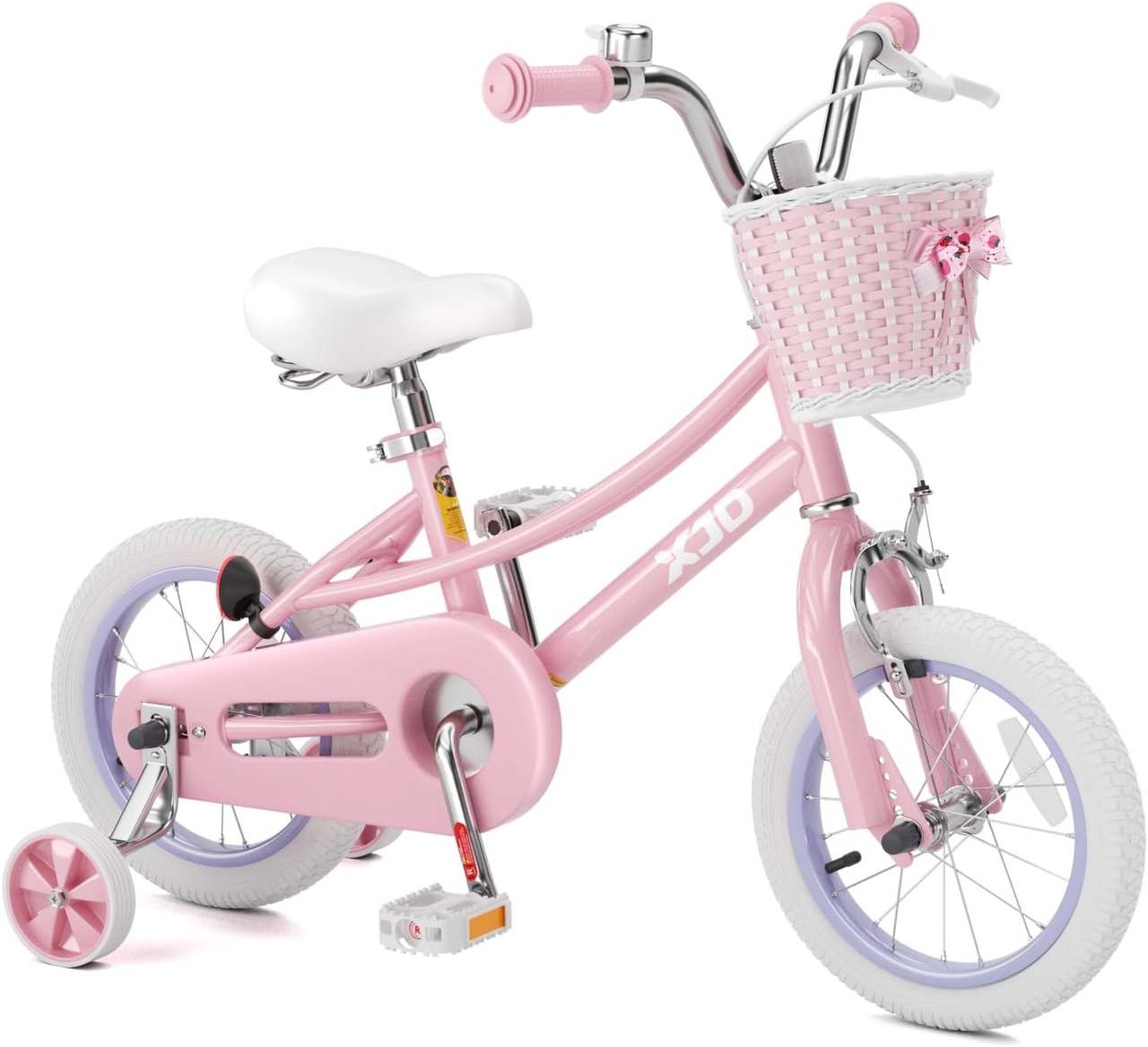
The XJD Black Kids BMX Bike with Training Wheels and XJD Pink Bike with Training Wheels and Basket are sold in several small wheel sizes. Their catalog examples reinforce an important point: replacement tubes must match the exact fitted tire size and valve opening, not merely the bicycle color, age range, or family name.
Practical checklist
- Match the pump to the valve.
- Check the stem base as well as the core.
- Never straighten an inflated stem by force.
- Verify pressure with a gauge.
Frequently asked questions
Can a valve cap stop a leaking bike tire?
A cap protects against dirt but is not the primary air seal; diagnose the valve core, stem, and tube.
Should I replace the whole tube for a valve-base leak?
Usually yes, because a damaged tube-to-stem joint is not a dependable patch area; follow the tube maker's guidance.
Before making the final choice, revisit the exact route or driving area at the time it will normally be used. A setup that works during a quiet test may need more room, visibility or adult support when other people and everyday obstacles are present.
Bottom line
Use the answer to kids bike tire valve leaking as a decision process, not a shortcut. Confirm the live product data and manual, match the rider to the controls and setting, and favor repeatable control over a larger size or higher performance label.
Recommended products
-
Save 16%
XJD Kids BMX Bike with Training Wheels – Pink Blue
XJD Kids BMX Bike with Training Wheels – Pink Blue brings the recorded fit, ridi…
Kids' BMX Bikes Training Wheels Yes Single Speed 12 Inch -
Save 16%
XJD Kids BMX Bike with Training Wheels – Blue
XJD Kids BMX Bike with Training Wheels – Blue brings the recorded fit, riding an…
Kids' BMX Bikes Training Wheels Yes Single Speed 12 Inch -
Save 16%
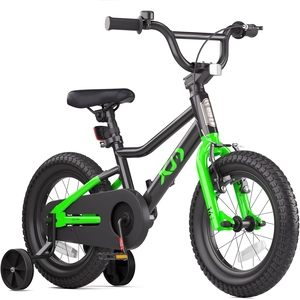
XJD Kids BMX Bike with Training Wheels – Black
XJD Kids BMX Bike with Training Wheels – Black brings the recorded fit, riding a…
Kids' BMX Bikes Training Wheels Yes Single Speed 12 Inch -
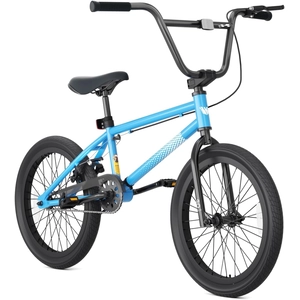
XJD 20-Inch Freestyle BMX Bike without Pegs – Blue
XJD 20-Inch Freestyle BMX Bike without Pegs – Blue brings the recorded fit, ridi…
Kids' BMX Bikes Training Wheels No Single Speed