

20 Inch Bike With Training Wheels vs Without: How to Decide
Choosing a 20 inch bike with training wheels vs without often happens when a child has grown into a larger wheel but is still building confidence. The wheel label does not answer whether support is useful. A parent needs to separate physical fit from riding readiness, then compare complete bicycles because training-wheel compatibility, brakes, drivetrain and frame clearance can differ even at the same nominal size.
Confirm that 20 inches is the right size
Measure standing height and inseam in riding shoes, then compare those numbers with the exact model guidance. Check stand-over room, minimum saddle position and handlebar reach. A child who cannot mount, hold the grips comfortably or operate the brake does not gain safety from added training wheels. If the 20-inch frame is too large, choose a smaller correct fit rather than using supports to compensate.
Use balance and control as the decision point
On a familiar bicycle, watch whether the child starts without being pushed, looks through a turn, holds a line and stops at a marker. Repeating these actions calmly is better evidence than age. A rider who balances and stops independently may be ready for a no-training-wheel 20-inch setup. A rider still concentrating on pedaling may benefit from a supported configuration while practicing one skill at a time.
Understand what training wheels change
Training wheels add lateral support at low speed, but they also change how a bicycle leans and turns. They must be installed and adjusted exactly as the manufacturer specifies. Do not assume a universal aftermarket set fits every 20-inch frame, axle or drivetrain. If the model was not designed for them, ask the bicycle manufacturer or a qualified shop before adding hardware.
Compare two current 20-inch examples
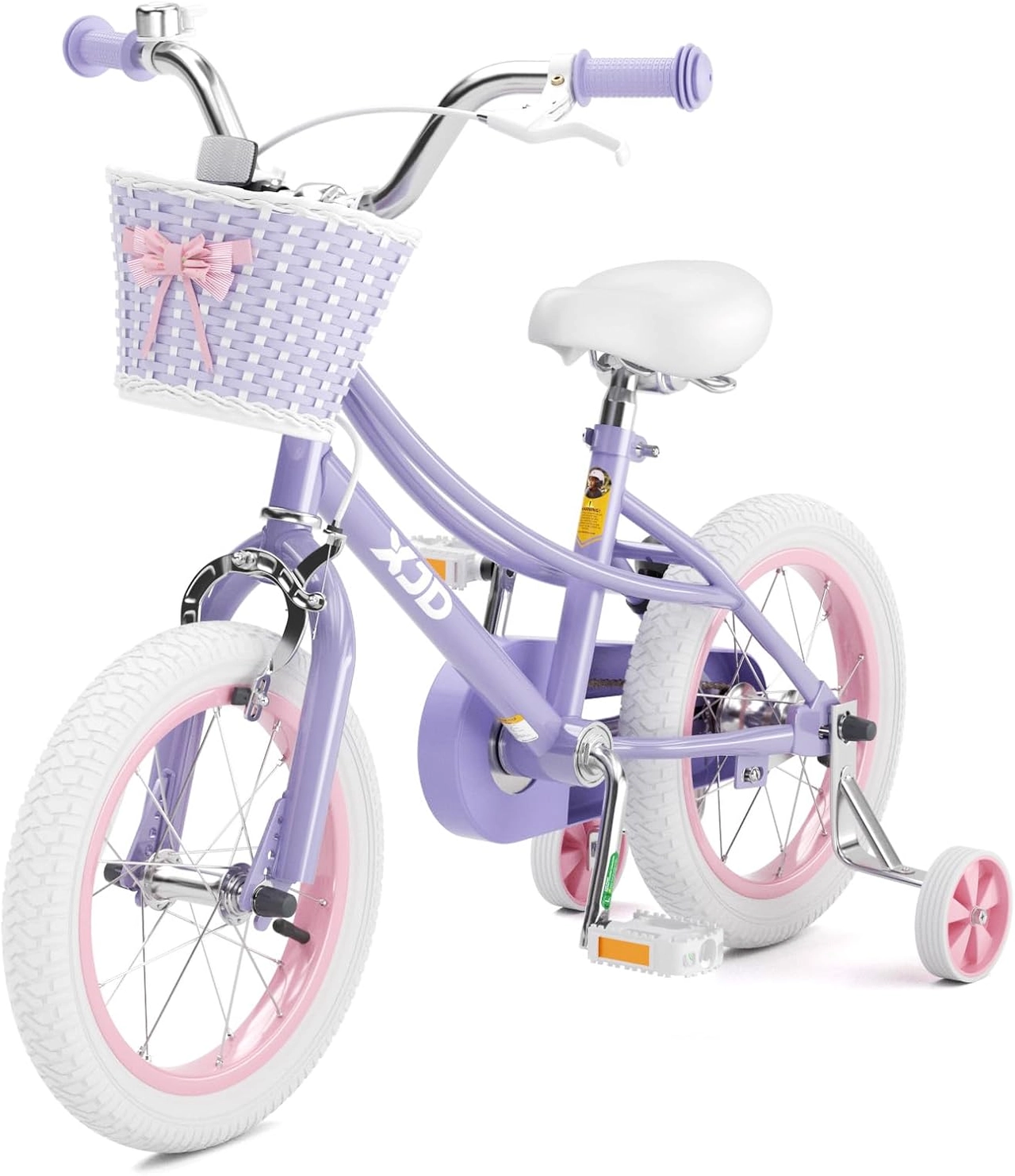
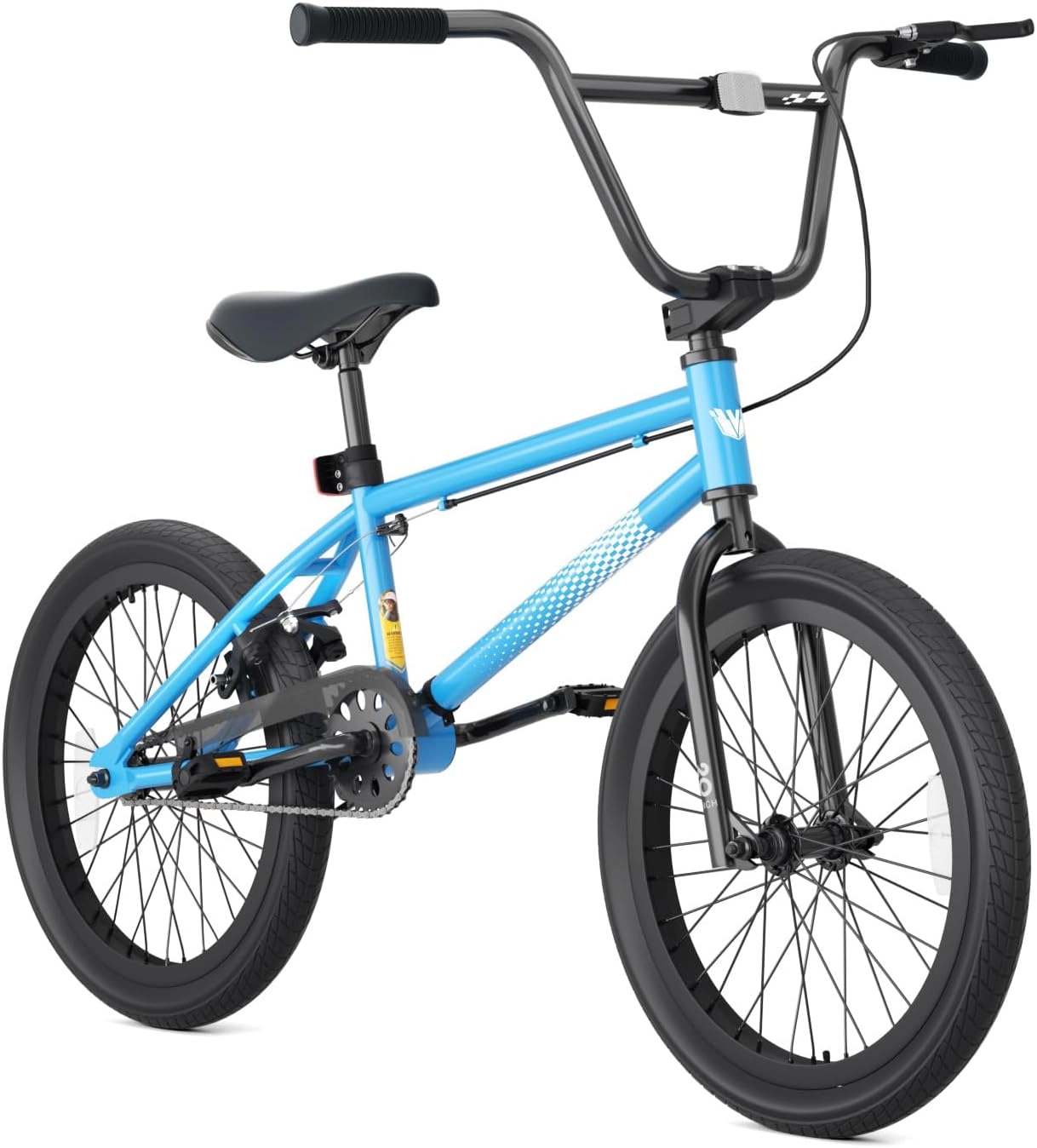
The XJD Purple Bike with Training Wheels and Basket lists a 20-inch option with training wheels and a single-speed drivetrain. The XJD Blue 20-Inch Freestyle BMX Bike is a dedicated 20-inch, single-speed model listed without training wheels. The shared wheel label therefore describes only part of the decision; the two configurations expect different levels of balance and provide different accessories.
Run a safe readiness session
Use a dry, level area closed to traffic and fit a properly sized helmet. Set two wide turning markers and one stop line. Ask for several starts, turns and stops without increasing speed. If the child needs repeated adult catches, cannot reach the controls or becomes tense, return to simpler practice. If every action is calm and repeatable, follow the manual when moving to the independent setup.
How current XJD products clarify the choice
The XJD Purple Bike with Training Wheels and Basket shows that a factory-listed 20-inch supported option exists for riders who still need that stage. The XJD Blue 20-Inch Freestyle BMX Bike shows the opposite configuration: 20-inch wheels without training wheels for an independent rider. These products are examples of different readiness paths, not a claim that every child on a 20-inch bike needs the same setup.
Related XJD guides and collections
training-wheel bike collection and 20-inch bike guide and kids bike collection provide more context before you check the exact product and selected configuration.
Parent checklist
- Verify 20-inch fit before judging support needs.
- Observe independent starts, turns and stops.
- Use only manufacturer-compatible training wheels.
- Check every fastener and brake before practice.
- Move forward when control is calm and repeatable.
Frequently asked questions
Do all 20-inch bikes accept training wheels?
No. Axles, frames, brakes and drivetrains differ. Use a factory-listed configuration or obtain compatibility instructions from the manufacturer.
Should training wheels touch the ground all the time?
Follow the exact model instructions. Setup affects stability, turning and rear-wheel contact, so do not copy a generic height from another bicycle.
Bottom line
Use this 20 inch bike with training wheels vs without guide to narrow the options, then verify the exact product, current measurements and repeatable control. Follow the product manual, keep every adjustment and load inside its stated limits, and begin each new setup in a level area away from traffic.
Bikes for your next adventure
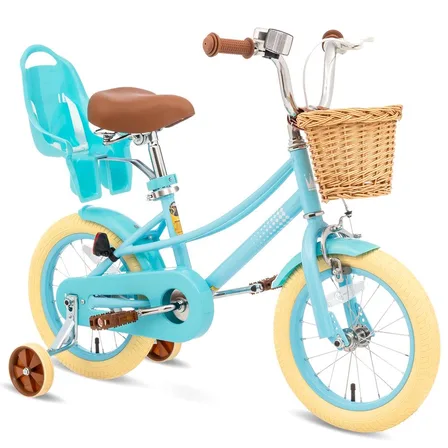
XJD Kids Bike Blue
XJD Kids Bike Blue brings the recorded fit, riding and configuration details tog…$139
$159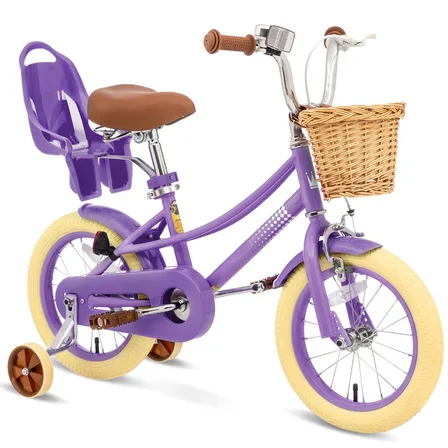
XJD Kids Bike Purple
XJD Kids Bike Purple brings the recorded fit, riding and configuration details t…$139
$159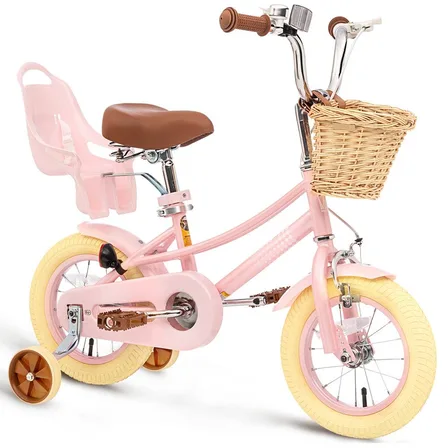
XJD Kids Bike Pink
XJD Kids Bike Pink brings the recorded fit, riding and configuration details tog…$139
$159