Best Bicycle for 11-Year-Old Kids: Size and Fit Guide
Best bicycle for 11-year-old kids: Compare 20- and 24-inch fit rather than assuming every rider of this age needs the same wheel size. Age is only a starting point; measure height and inseam, then confirm stand-over clearance, handlebar reach and braking control on the exact bicycle.
For an 11-year-old, start with a 20-inch or 24-inch bike based on measured height—not age alone. Use 20 inches at 48–60 in (122–152 cm), 24 inches at 54–64 in (137–163 cm), and consider 26 inches only above 60 in (153 cm), then confirm stand-over, reach, braking and control in person.
Measure before choosing a wheel size
Measure the child while they are wearing the shoes they normally use for riding. Record overall height, then measure inseam from the floor to the crotch. Height identifies a starting wheel-size range; inseam helps you judge whether the child can stand over the bicycle without the frame pressing into them.
Do not estimate from clothing size or compare only with classmates. Eleven-year-olds can differ substantially in height, proportions and riding confidence. The American Academy of Pediatrics guidance supports having the child try the bicycle and avoiding an oversized bike bought merely for future growth.
Compare the relevant XJD size ranges
| Wheel size | XJD starting age | Rider height | Relevance at age 11 |
|---|---|---|---|
| 20 Inch | 7–12 | 48–60 in / 122–152 cm | A starting point for a rider within this height range |
| 24 Inch | 10–14 | 54–64 in / 137–163 cm | A starting point for a taller rider who can control it |
| 26 Inch | Youth and adults | Over 60 in / 153 cm | Consider only after an individual fit and control check |
The ranges overlap because wheel diameter cannot determine fit by itself. If the child is 56 inches tall, for example, both 20-inch and 24-inch ranges are starting points. The better choice is the bike on which the rider has comfortable stand-over clearance, an unstrained reach and confident control.
Age-relevant XJD bicycles to compare
The following two current options are included as fit examples, not automatic recommendations. Compare 20- and 24-inch fit rather than assuming every rider of this age needs the same wheel size.
XJD Kids Bike Blue
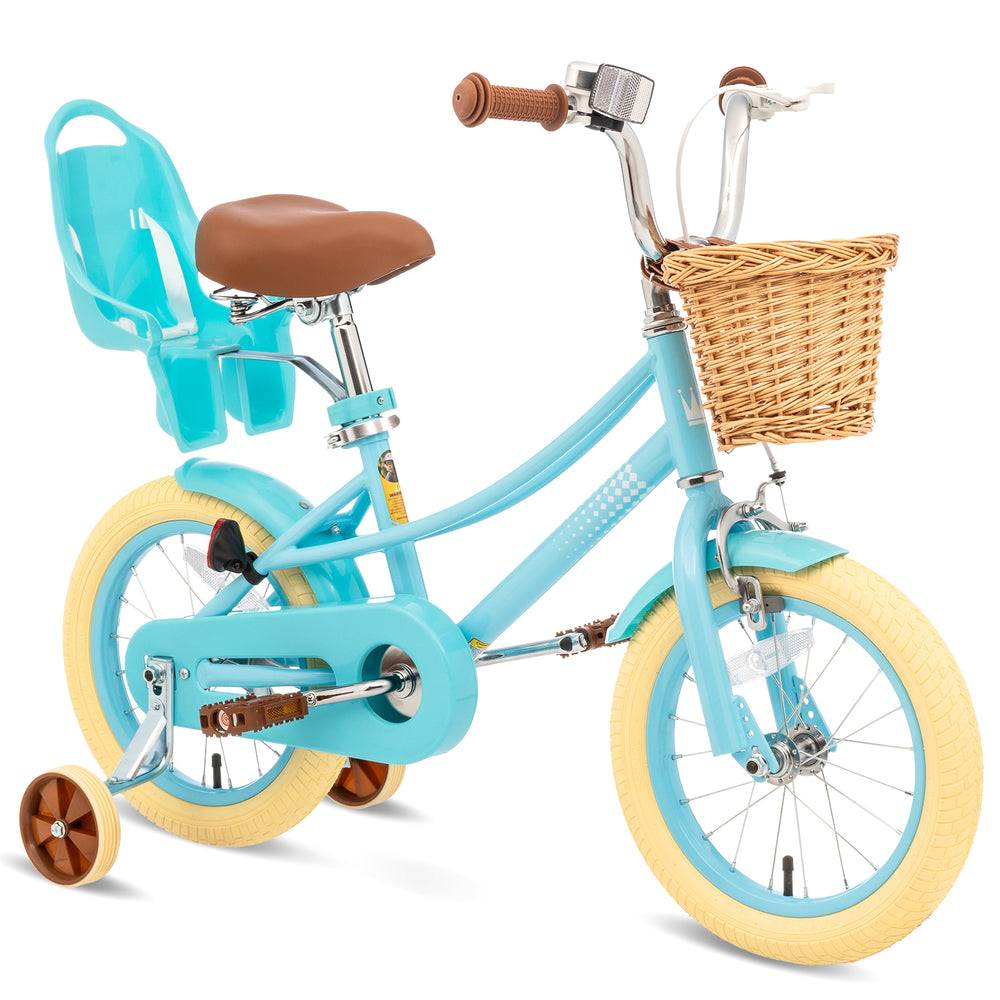
This is a color-neutral fit comparison with four listed wheel sizes. The live catalog lists 12-inch, 14-inch, 16-inch, 20-inch wheel choices and an age range that includes 11; select the exact size from height, inseam, brake reach and a hands-on control check.
XJD Beach Cruiser Bike with Rear Rack & V-Brake – Mint Green
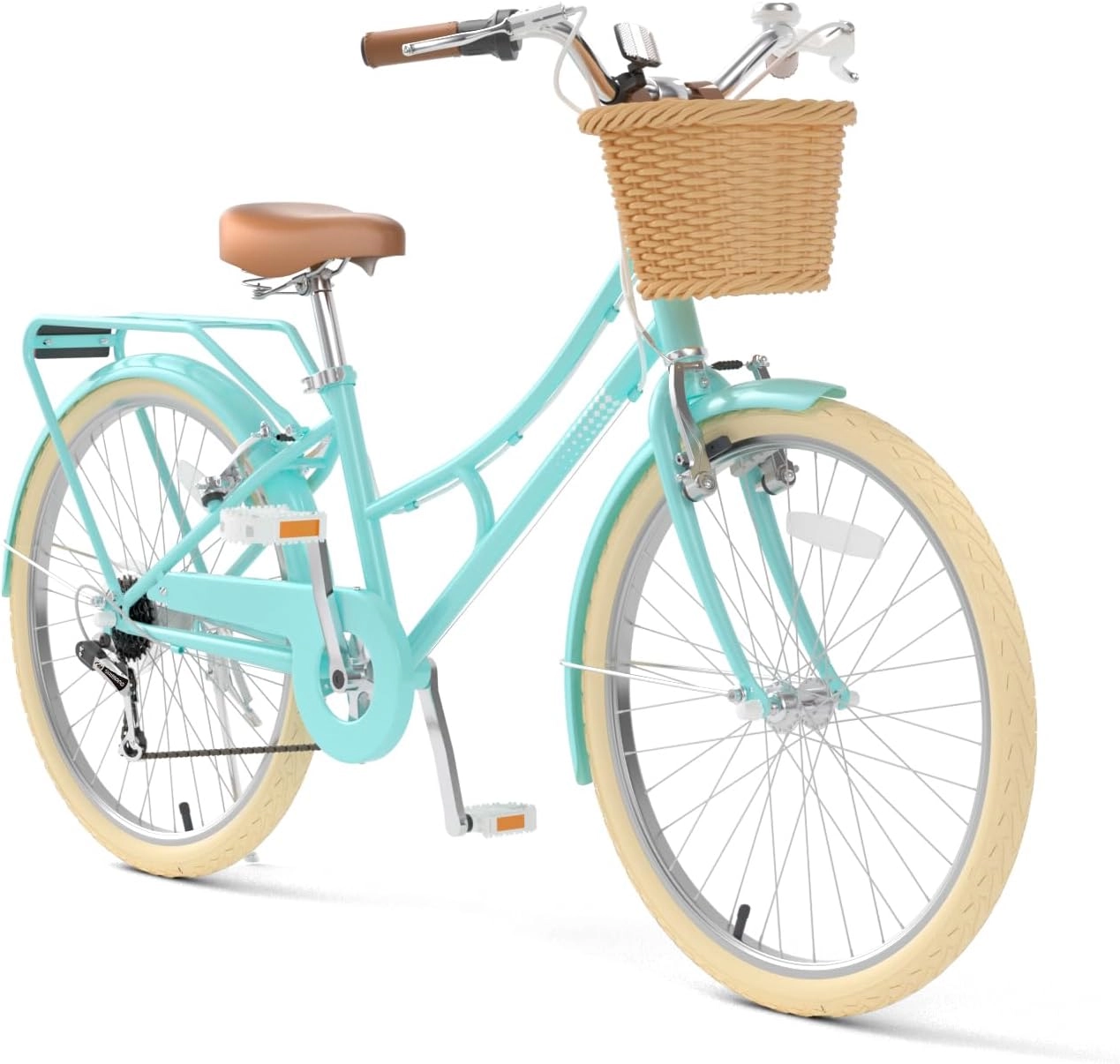
This is an upright geared cruiser for neighborhood and paved-path riding. The live catalog lists 20-inch, 24-inch, 26-inch wheel choices and an age range that includes 11; select the exact size from height, inseam, brake reach and a hands-on control check.
For a wider comparison, use the bicycle guide for 11-year-olds together with the full kids’ bicycles collection. Those pages help compare sizes; the child’s measurements still control the final decision.
Perform the fit check with the child
- Check stand-over: Have the child straddle the bicycle with both feet on the ground. The frame should not press into the body. Use the measured inseam to reject a frame that is too tall.
- Check seated reach: With the child seated and holding the handlebars, look for a natural posture. They should not have to stretch, lock their elbows or crowd the bars.
- Check brake access: Confirm that the child can reach and operate the fitted brake controls comfortably. Do not assume reach is acceptable merely because the wheel-size label matches.
- Check starts and stops: In a controlled area, have the rider start, steer, slow and stop. Hesitation, wobbling or difficulty putting a foot down can indicate that the bicycle is too large or demanding for current confidence.
If two sizes pass the height chart, choose according to the complete fit check rather than choosing the larger one for longer use. A child who controls a 20-inch bicycle confidently should not be moved to a 24-inch bicycle solely because it may last longer.
Know when the supplied product is relevant
The 20 Inch label for XJD Kids Bike Purple deserves consideration when the rider measures 48–60 inches and can pass every fit and control check. It is not relevant on age alone, and the 12 Inch, 14 Inch and 16 Inch labels are below the XJD height starting points ordinarily associated with an 11-year-old.
If the child measures 54–64 inches and fits a 24-inch bicycle better, look for an appropriate 24-inch option rather than treating the cataloged 20 Inch model as equivalent. Above 60 inches, a 26-inch bicycle becomes a starting point, but individual proportions and control still decide the fit.
Finish the decision safely
Before riding, use a bicycle helmet that fits properly, sits level and has straps adjusted according to the helmet manufacturer’s instructions, consistent with U.S. Consumer Product Safety Commission guidance. For assembly, maintenance, compatibility, load limits or torque settings, follow the exact bicycle manual or ask a qualified bicycle mechanic; those details cannot be inferred from wheel size.
Your next step is simple: write down the 11-year-old’s height and inseam, shortlist only the matching 20-, 24- or 26-inch starting range, and buy only after the child demonstrates comfortable stand-over, reach, braking, steering and stopping.
Recommended products
-
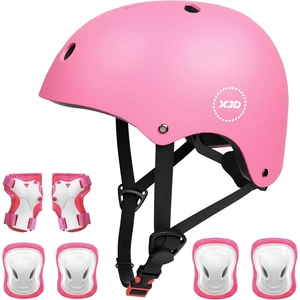
XJD Kids Bike Helmet & Protective Gear Set – Pink
XJD Kids Bike Helmet & Protective Gear Set – Pink makes helmet selection cle…
Bike Helmets S -
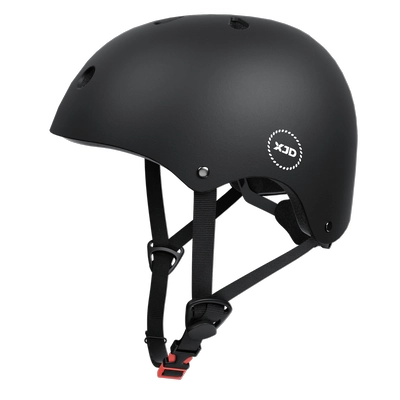
XJD Kids Bike Helmet Protective Gear Set
XJD Kids Bike Helmet Protective Gear Set makes helmet selection clearer: measure…
Bike Helmets Blue / L:21.65"-22.83" / 55-58 cm -
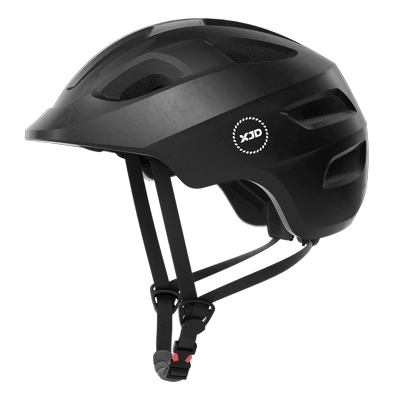
XJD Kids Bike Helmet Black
7 reviews 7 sold
XJD Kids Bike Helmet Black makes helmet selection clearer: measure first, then c…
Bike Helmets Purple / S:18.11"-20.08" / 46-51 cm -
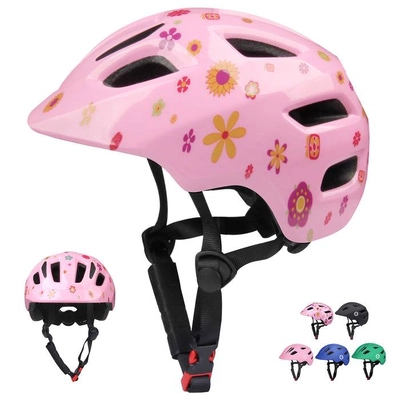
XJD Kids Bike Helmet Pink Flower
7 reviews 3 sold
XJD Kids Bike Helmet Pink Flower makes helmet selection clearer: measure first, …
Bike Helmets S:18.11"-20.08" / 46-51 cm