Best Bicycle for 12-Year-Old Kids: Size and Fit Guide
Best bicycle for 12-year-old kids: Compare 20- and 24-inch fit rather than assuming every rider of this age needs the same wheel size. Age is only a starting point; measure height and inseam, then confirm stand-over clearance, handlebar reach and braking control on the exact bicycle.
For most 12-year-olds, start by comparing a 20-inch and 24-inch bike, then choose by measured height and an in-person fit check—not age alone.
Choose the starting wheel size by height
Measure the child barefoot, standing straight against a wall. XJD Bikes lists 20-inch wheels for riders 48–60 in (122–152 cm), 24-inch wheels for riders 54–64 in (137–163 cm), and 26-inch wheels for youth and adults over 60 in (153 cm). The ranges overlap because wheel size is only a starting point; frame shape and the rider’s proportions still affect fit.
| Measured height | Size to investigate | What to do next |
|---|---|---|
| 48–53 in (122–136 cm) | 20 Inch | Fit-check a 20-inch bike. |
| 54–60 in (137–152 cm) | 20 Inch and 24 Inch | Try both; compare control rather than choosing the larger size automatically. |
| 61–64 in (155–163 cm) | 24 Inch | Fit-check a 24-inch bike. |
| Over 60 in (153 cm) | 26 Inch may also be relevant | Compare actual stand-over, reach, braking and confidence. |
These bands come from the supplied XJD Bikes standard. Because the 24-inch and 26-inch bands overlap above 60 inches, height alone cannot settle that comparison.
Measure height and inseam before shopping
Record overall height first. Then measure inseam: with shoes off, have the child stand naturally and measure from the floor to the crotch. Keep both measurements available when checking the bicycle maker’s geometry or manual.
There is no supplied universal inseam-to-frame formula for these products, so do not convert the inseam into a promised wheel size. Use it to assess whether the child can stand over the bicycle comfortably and get on and off without the frame obstructing movement.
Run a hands-on fit check
The American Academy of Pediatrics advises having the child try the bicycle and avoiding an oversized bike bought merely for growth. On a level surface, check the following:
- Stand-over: The child should be able to straddle the bike without the frame interfering with a comfortable stance.
- Reach: Seated in a normal riding position, the child should reach the handlebar without stretching, locking the arms or losing a stable posture.
- Brake control: The rider must be able to reach and operate the brake controls confidently. Verify the exact controls on the bicycle being considered.
- Starting and stopping: Ask the child to demonstrate controlled starts, turns and stops in an appropriate low-risk area.
- Confidence: A technically plausible size is still wrong if the child feels unable to balance, steer or stop it reliably.
If the larger bike makes any of these tasks harder, choose the smaller suitable fit instead of expecting the child to grow into it.
Age-relevant XJD bicycles to compare
The following two current options are included as fit examples, not automatic recommendations. Compare 20- and 24-inch fit rather than assuming every rider of this age needs the same wheel size.
XJD Kids Bike Blue
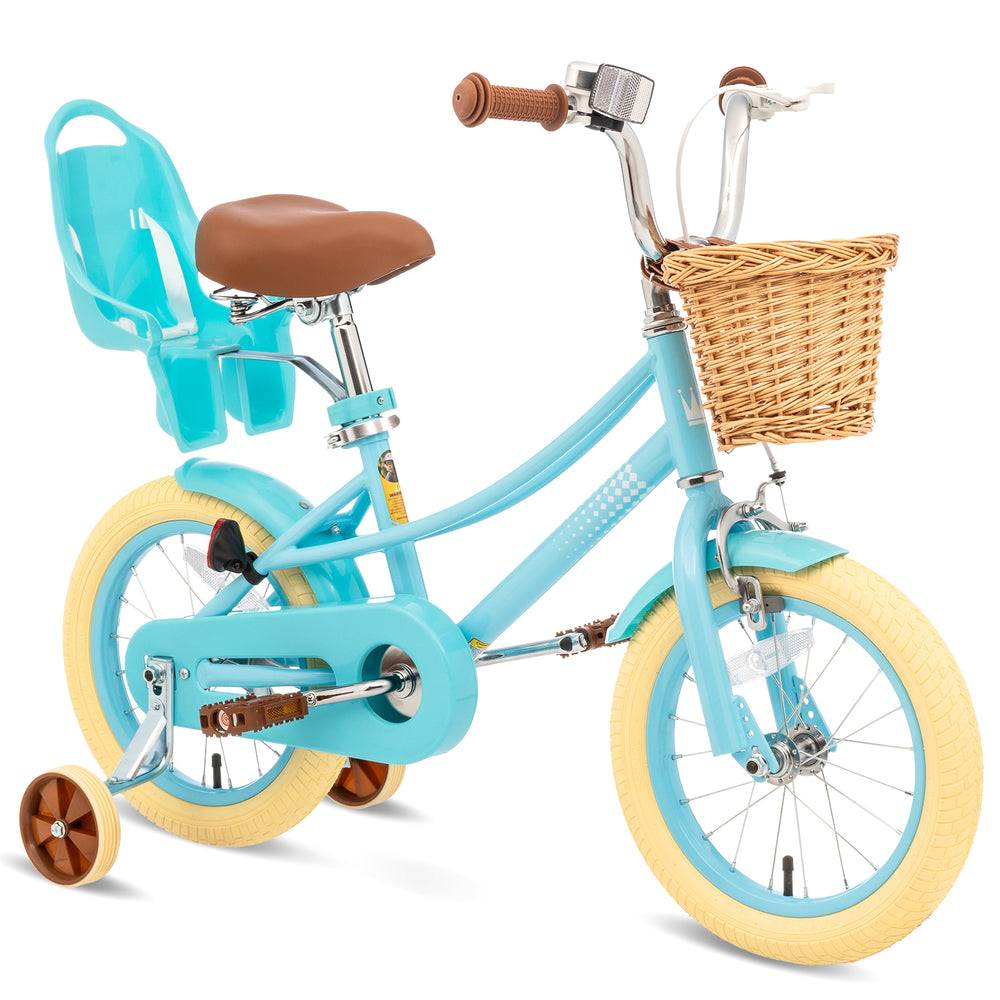
This is a color-neutral fit comparison with four listed wheel sizes. The live catalog lists 12-inch, 14-inch, 16-inch, 20-inch wheel choices and an age range that includes 12; select the exact size from height, inseam, brake reach and a hands-on control check.
XJD Beach Cruiser Bike with Rear Rack & V-Brake – Mint Green
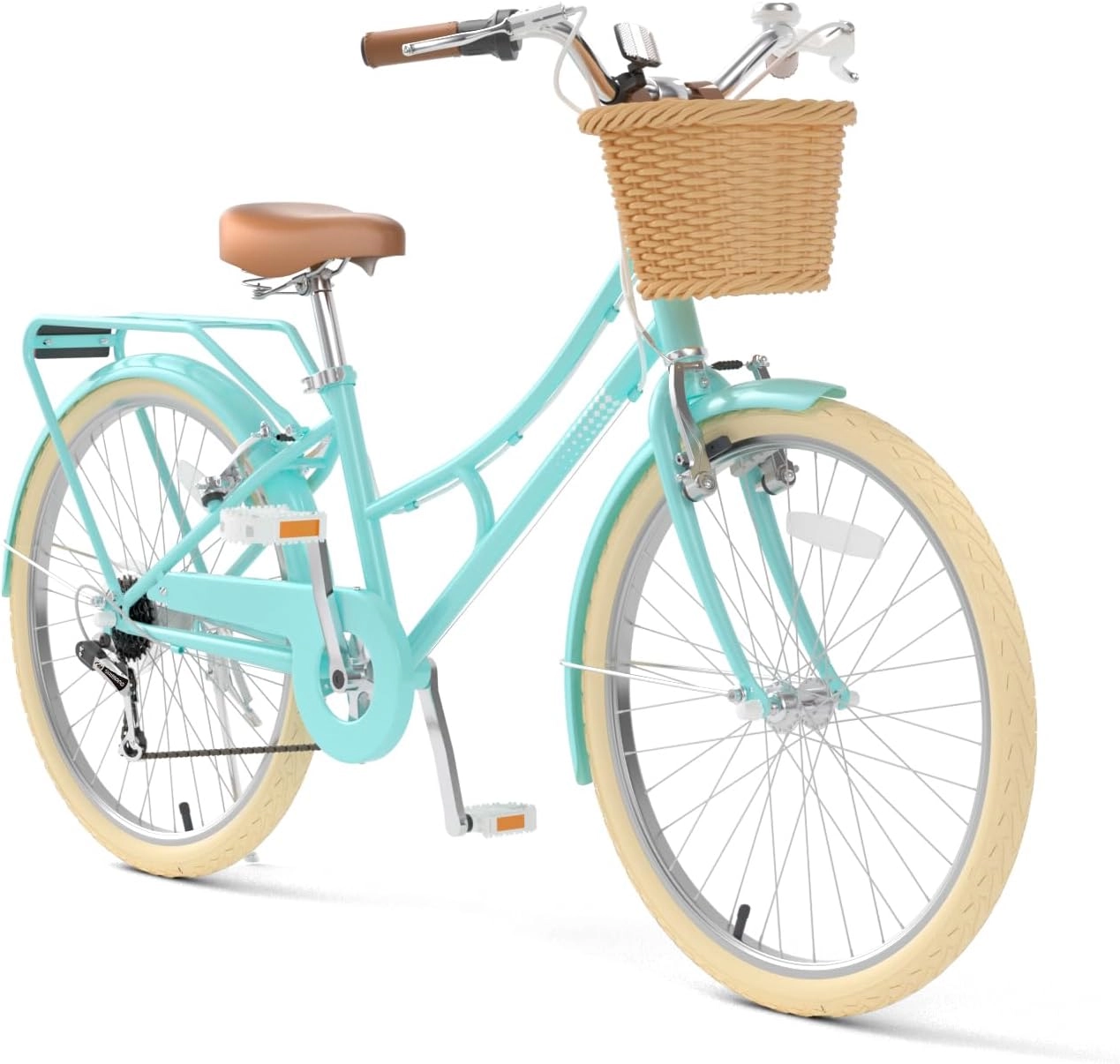
This is an upright geared cruiser for neighborhood and paved-path riding. The live catalog lists 20-inch, 24-inch, 26-inch wheel choices and an age range that includes 12; select the exact size from height, inseam, brake reach and a hands-on control check.
For a wider comparison, use the bicycle guide for 12-year-olds together with the full kids’ bicycles collection. Those pages help compare sizes; the child’s measurements still control the final decision.
Finish the decision safely
- Measure height and inseam.
- Use height to shortlist 20, 24 or 26 inches from the supplied standard.
- Have the child try each realistic candidate.
- Reject any bike that compromises stand-over, reach, brake operation or confident control.
- Follow the exact manual for assembly, adjustment, maintenance and torque; use a qualified bicycle mechanic when needed.
Add a properly fitting bicycle helmet. The U.S. Consumer Product Safety Commission says it should sit level and its straps should be used according to the helmet manufacturer’s instructions.
For a 12-year-old, the next step is therefore concrete: measure today, shortlist by height, and buy only the wheel size the child can comfortably straddle, reach, brake and control now.
Recommended products
-
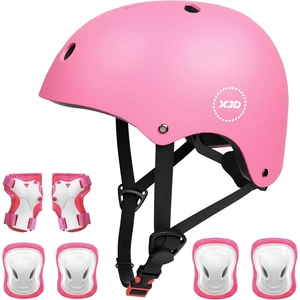
XJD Kids Bike Helmet & Protective Gear Set – Pink
XJD Kids Bike Helmet & Protective Gear Set – Pink makes helmet selection cle…
Bike Helmets S -
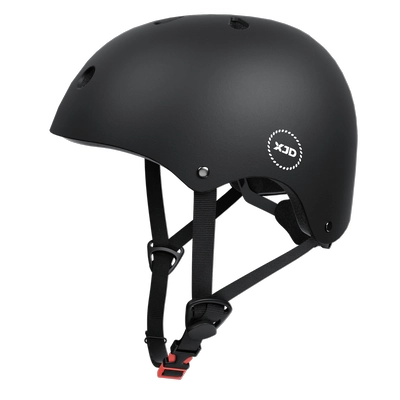
XJD Kids Bike Helmet Protective Gear Set
XJD Kids Bike Helmet Protective Gear Set makes helmet selection clearer: measure…
Bike Helmets Blue / L:21.65"-22.83" / 55-58 cm -
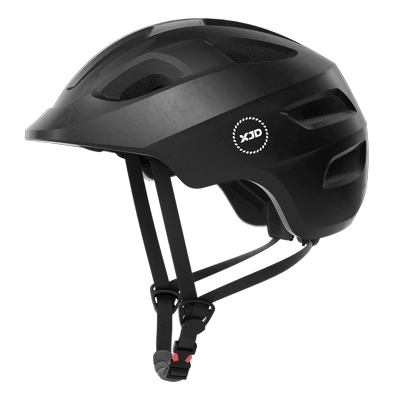
XJD Kids Bike Helmet Black
7 reviews 7 sold
XJD Kids Bike Helmet Black makes helmet selection clearer: measure first, then c…
Bike Helmets Purple / S:18.11"-20.08" / 46-51 cm -
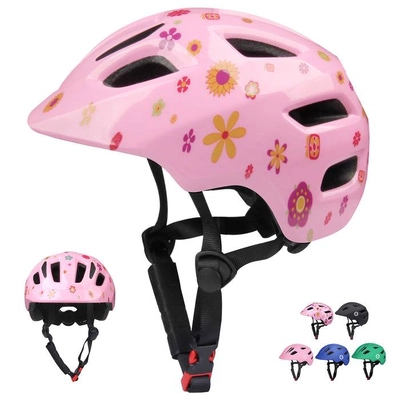
XJD Kids Bike Helmet Pink Flower
7 reviews 3 sold
XJD Kids Bike Helmet Pink Flower makes helmet selection clearer: measure first, …
Bike Helmets S:18.11"-20.08" / 46-51 cm