Best Bicycle for 12-Year-Old Boys: Size and Fit Guide
Best bicycle for 12-year-old boys: Compare 20- and 24-inch fit rather than assuming every rider of this age needs the same wheel size. Age is only a starting point; measure height and inseam, then confirm stand-over clearance, handlebar reach and braking control on the exact bicycle.
For most 12-year-old boys, start by comparing a 20-inch or 24-inch bike, then choose by measured height and actual fit—not age. Riders over 60 inches (153 cm) should start with 26-inch options.
Which wheel size should you check first?
Measure the child before shopping. Under the XJD Bikes starting points, a 20-inch bike covers rider heights of 48–60 inches (122–152 cm) and ages 7–12. A 24-inch bike covers 54–64 inches (137–163 cm) and ages 10–14. The ranges overlap, so neither age nor height alone settles the choice.
| Wheel size | Starting age range | Starting height range |
|---|---|---|
| 20 Inch | 7–12 | 48–60 in / 122–152 cm |
| 24 Inch | 10–14 | 54–64 in / 137–163 cm |
| 26 Inch | Youth and adults | Over 60 in / 153 cm |
A shorter or less-confident 12-year-old may control a correctly fitted 20-inch bike more comfortably. A taller rider may need a 24-inch bike, while someone over 60 inches should begin with a 26-inch comparison. Do not move up merely to leave room for growth.
Measure height and inseam correctly
For height, have the child stand barefoot against a wall, looking straight ahead, with heels on the floor. Mark the top of the head and measure vertically from the floor.
For inseam, have the child stand barefoot with feet slightly apart. Place a straight-edged book firmly between the legs, level with the floor, to represent the saddle area. Measure from the floor to the top edge of the book. Record both measurements in inches or centimeters.
Use height to select the initial wheel-size range. Then compare inseam with the stand-over space and saddle adjustment on the exact bicycle. Because frame shapes differ, wheel diameter cannot prove that a particular frame will fit.
Perform the in-person fit check
The American Academy of Pediatrics advises having the child try the bicycle and avoiding an oversized model bought for future growth. During the trial, check five things:
- Stand-over: The child can straddle the frame without being pressed against it.
- Starting and stopping: The rider can get on, start, stop and dismount without the bicycle feeling unwieldy.
- Reach: Hands reach the controls while elbows remain comfortably relaxed rather than locked or overstretched.
- Brake control: The child can operate the brakes confidently without shifting the hands into an unstable position.
- Steering: The rider can turn, look around and hold a straight line with calm control.
If the child cannot pass these checks, reject that fit even when the age and height chart appears to match. Compare another frame or wheel-size starting point instead.
Age-relevant XJD bicycles to compare
The following two current options are included as fit examples, not automatic recommendations. Compare 20- and 24-inch fit rather than assuming every rider of this age needs the same wheel size.
XJD 20-Inch Freestyle BMX Bike without Pegs – Blue
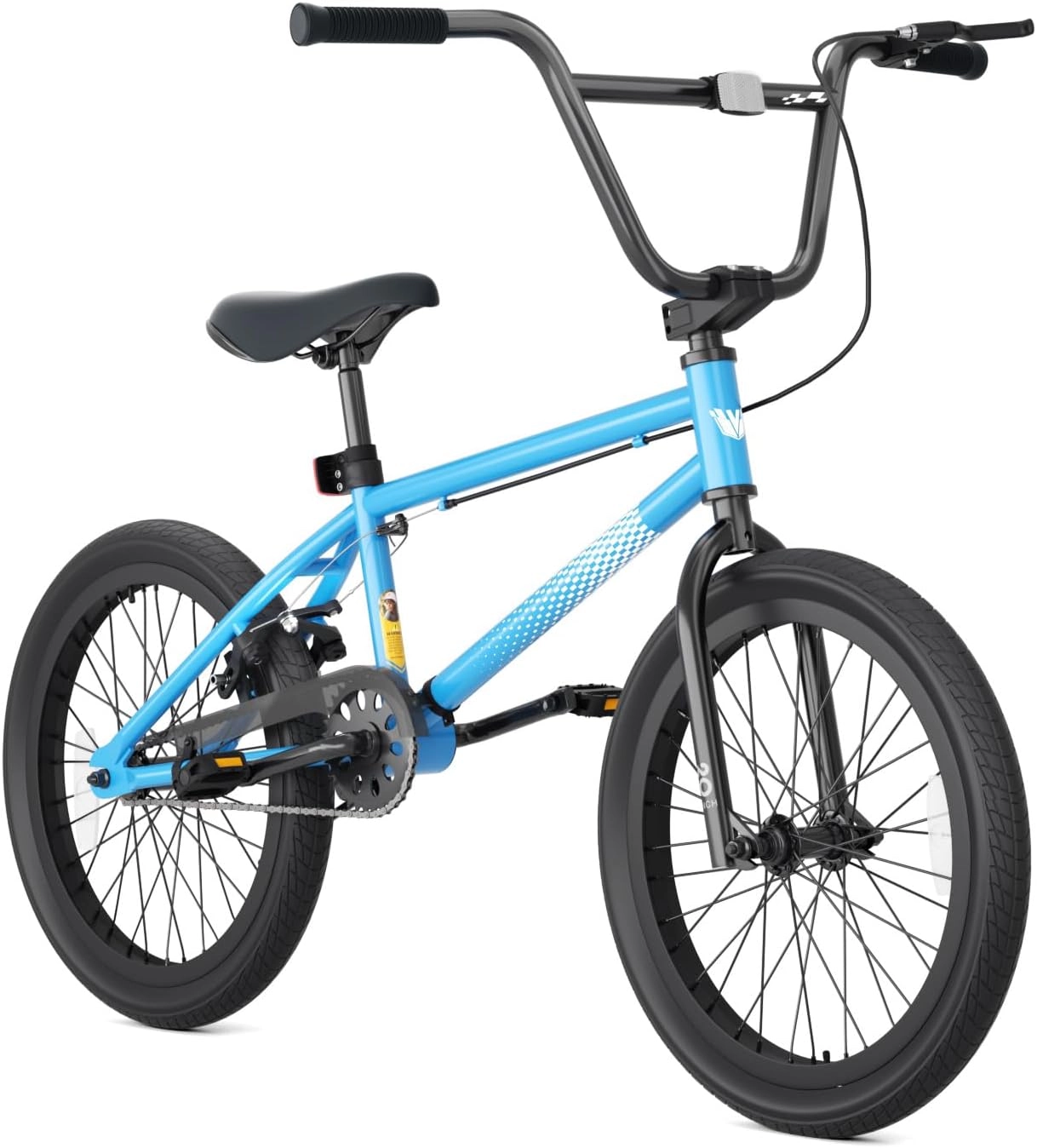
This is a 20-inch BMX option for riders who already pedal independently. The live catalog lists 20-inch wheel choices and an age range that includes 12; select the exact size from height, inseam, brake reach and a hands-on control check.
XJD Beach Cruiser Bike with Rear Rack & V-Brake – Mint Green
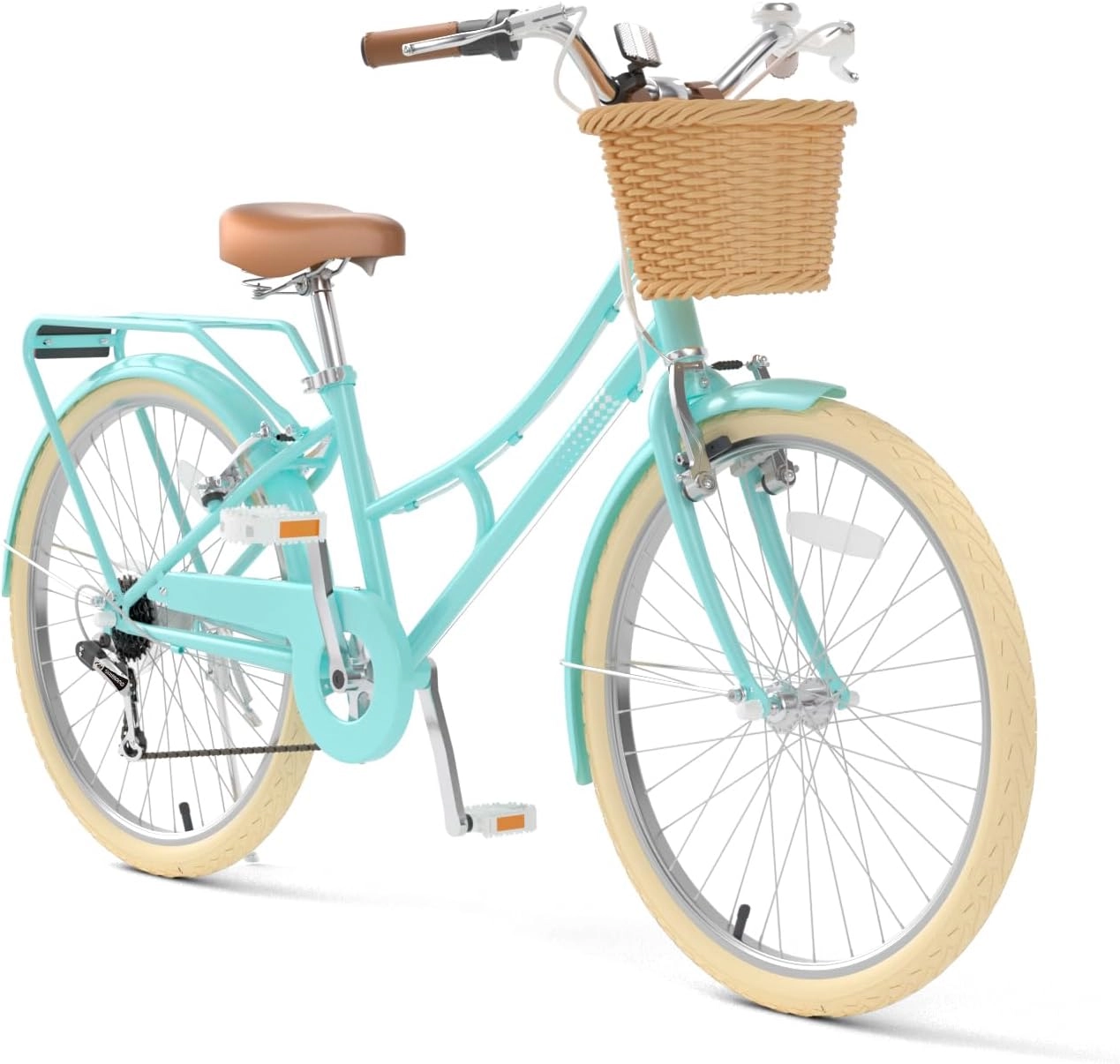
This is an upright geared cruiser for neighborhood and paved-path riding. The live catalog lists 20-inch, 24-inch, 26-inch wheel choices and an age range that includes 12; select the exact size from height, inseam, brake reach and a hands-on control check.
For a wider comparison, use the bicycle guide for 12-year-olds together with the full boys’ bicycles collection. Those pages help compare sizes; the child’s measurements still control the final decision.
When a 20-inch option is not appropriate
Do not choose one of these supplied 20-inch options solely because “age 12” appears in the starting range. It is not appropriate when the rider is over 60 inches, cannot stand over and control the frame, feels cramped, cannot comfortably reach or operate the brakes, or already has confidence and sizing needs better matched by another category.
A rider between 54 and 60 inches falls within both the 20-inch and 24-inch starting ranges. That overlap calls for trying both sizes where possible. Favor the bicycle on which the child demonstrates better reach, braking, steering, starting and stopping—not the larger wheel by default.
Make the final decision
Write down height, inseam and current riding confidence; shortlist 20, 24 or 26 inches from the table; then conduct the complete fit check. Follow the exact product manual or ask a qualified bicycle mechanic about assembly, adjustments, compatibility, load limits, maintenance and torque.
Before riding, use a bicycle helmet that fits properly, sits level and has its straps adjusted according to the helmet manufacturer’s instructions, as directed by the U.S. Consumer Product Safety Commission. For a 12-year-old boy, buy only after he can stand over, reach, brake and steer the exact bicycle confidently today.
Recommended products
-
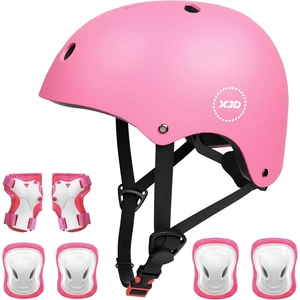
XJD Kids Bike Helmet & Protective Gear Set – Pink
XJD Kids Bike Helmet & Protective Gear Set – Pink makes helmet selection cle…
Bike Helmets S -
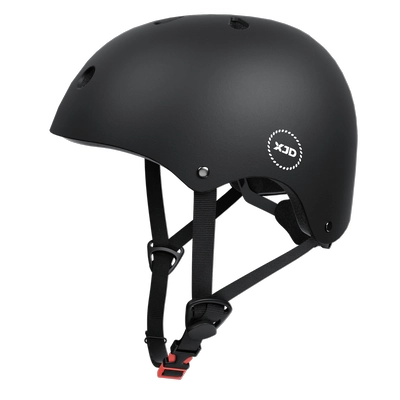
XJD Kids Bike Helmet Protective Gear Set
XJD Kids Bike Helmet Protective Gear Set makes helmet selection clearer: measure…
Bike Helmets Blue / L:21.65"-22.83" / 55-58 cm -
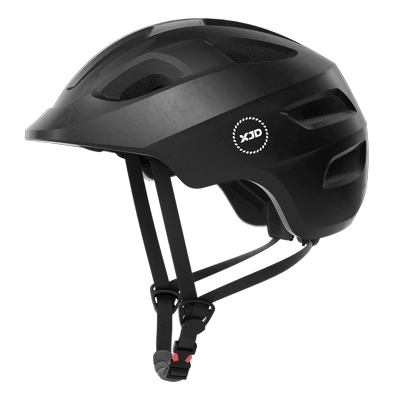
XJD Kids Bike Helmet Black
7 reviews 7 sold
XJD Kids Bike Helmet Black makes helmet selection clearer: measure first, then c…
Bike Helmets Purple / S:18.11"-20.08" / 46-51 cm -
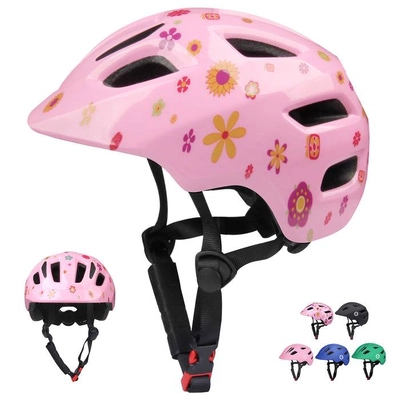
XJD Kids Bike Helmet Pink Flower
7 reviews 3 sold
XJD Kids Bike Helmet Pink Flower makes helmet selection clearer: measure first, …
Bike Helmets S:18.11"-20.08" / 46-51 cm