Best Bicycle for 2-Year-Old Boys: Size and Fit Guide
Best bicycle for 2-year-old boys: At two, readiness and the ability to put both feet down matter more than owning a pedal bike. Age is only a starting point; measure height and inseam, then confirm stand-over clearance, handlebar reach and braking control on the exact bicycle.
For most 2-year-old boys, age alone does not identify the right bike. Measure height and inseam, then choose only a bike the child can straddle, reach, steer and brake with control.
Start with measurements, not the birthday
Measure your child while he is wearing the shoes he will ride in. For height, have him stand straight against a wall and measure from the floor to the top of his head. For inseam, place a thin book firmly between his legs, level with the floor, and measure from the floor to the book’s top edge.
Write both measurements down in inches or centimeters. Height gives you an initial wheel-size comparison; inseam helps you judge whether the frame can be straddled comfortably. Age remains background information, not the deciding measurement.
Age-relevant XJD bicycles to compare
The following one current options are included as fit examples, not automatic recommendations. At two, readiness and the ability to put both feet down matter more than owning a pedal bike.
Age-two fit note: the current XJD pedal-bike catalog starts its stated fit guidance at age three. A balance bike may be the better first step when a child cannot put both feet down, steer and stop comfortably. The product below is not presented as a confirmed age-two fit.
XJD Boys Bike Blue
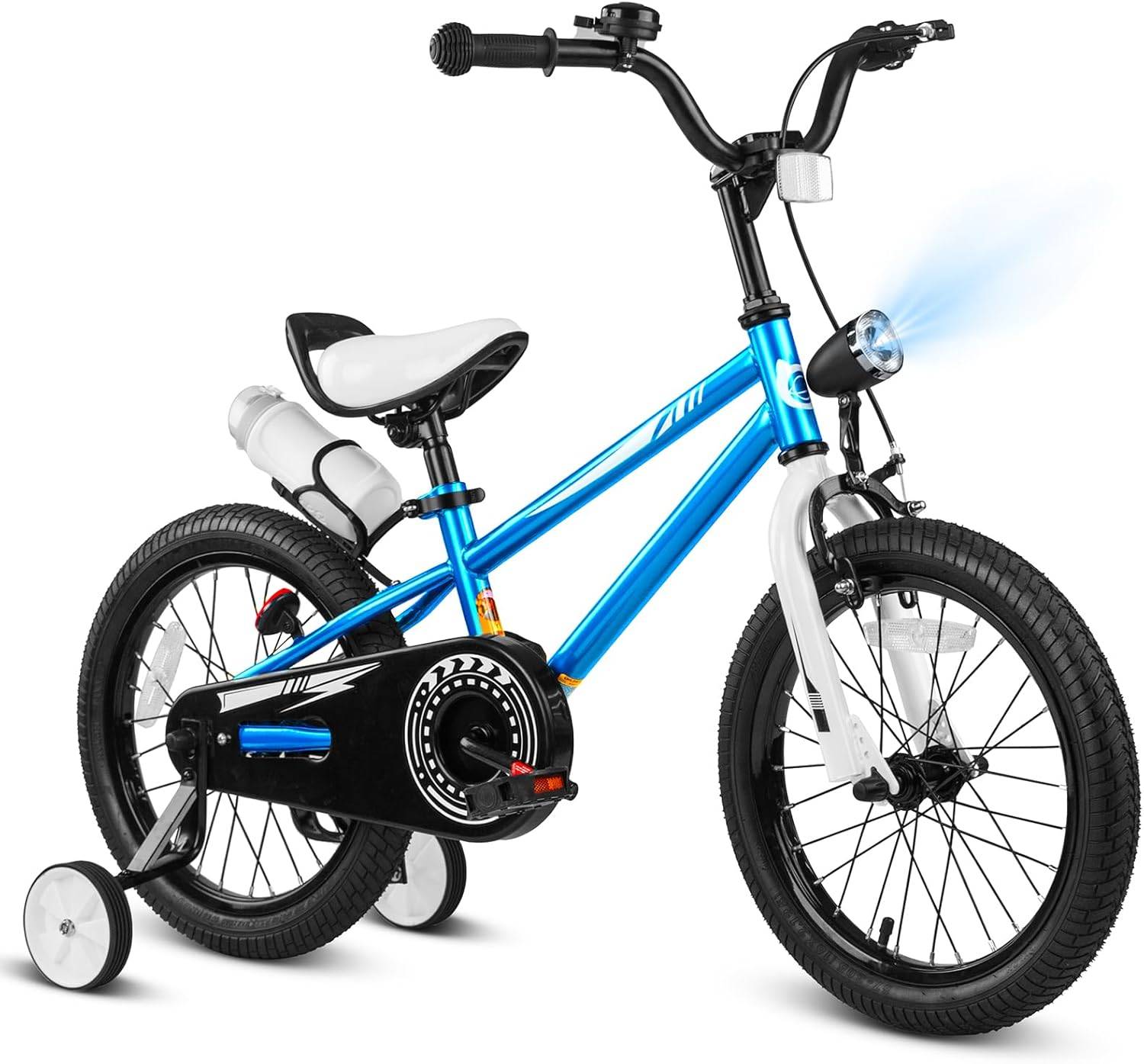
Its smallest listed option is 12-inch, but XJD does not confirm this model for age two. Treat it only as a future-fit comparison after measuring the child and checking readiness in person.
For a wider comparison, use the bicycle guide for 2-year-olds together with the full boys’ bicycles collection. Those pages help compare sizes; the child’s measurements still control the final decision.
Perform the fit check in person
HealthyChildren guidance emphasizes having the child try the bicycle and avoiding an oversized bike bought for future growth. With an adult stabilizing the bike, check the following before deciding:
- Stand-over: He can straddle the frame without being forced onto his toes or trapped against the bicycle.
- Seat position: At the intended starting seat adjustment, he can make the foot contact required by the bike’s setup and begin and stop without panic.
- Reach: He can hold the handlebar without stretching, locking his elbows or leaning his torso excessively forward.
- Steering: He can turn the handlebar both ways while remaining balanced and keeping his hands in place.
- Brake control: If the exact model has hand controls, he can reach and operate them without releasing his grip or twisting his wrist awkwardly.
- Confidence: He responds calmly, follows simple directions and can stop when asked.
A failure on any one of these checks is a reason to pause. Training wheels do not correct excessive reach, poor stand-over clearance or an inability to operate the controls.
Know when the catalog bike is relevant
Consider the 12 Inch XJD Boys Bike Blue only when your child measures within the 34–40 in / 86–102 cm starting range and passes the complete hands-on check. Its training wheel category may match a family specifically seeking that bicycle format, but the supplied facts do not establish fit for an individual child.
The 14 Inch option starts at 37 in / 94 cm and ages 3–6; the 16 Inch option starts at 40 in / 102 cm and ages 4–7. Do not select either merely because your child can reach its minimum height or because it leaves more room to grow. Height overlap is only a screening tool, while stand-over, reach, brake control and present confidence decide whether the bike is manageable now.
If your child is below 34 in / 86 cm, cannot straddle the 12 Inch bicycle appropriately, stretches for the handlebar, or cannot control stopping, none of the supplied product sizes is currently relevant. Wait, seek a different appropriately fitted riding option, or ask a qualified bicycle mechanic to assess fit. Do not improvise assembly or adjustments; follow the exact product manual.
Complete the riding setup
Use a bicycle helmet that fits properly, sits level and has straps adjusted according to the helmet manufacturer’s instructions, consistent with U.S. Consumer Product Safety Commission guidance. Supervise every ride and begin in a flat area away from traffic and other hazards.
Your next step is simple: measure height and inseam today, compare height with the 12 Inch starting range, and arrange a hands-on fit check. Choose the 12 Inch catalog option only if your 2-year-old can comfortably straddle, reach, steer and brake it now; otherwise, do not size up.
Recommended products
-
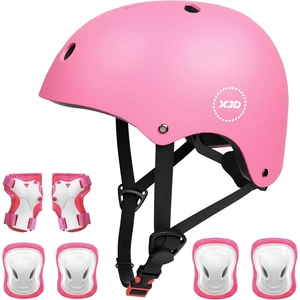
XJD Kids Bike Helmet & Protective Gear Set – Pink
XJD Kids Bike Helmet & Protective Gear Set – Pink makes helmet selection cle…
Bike Helmets S -
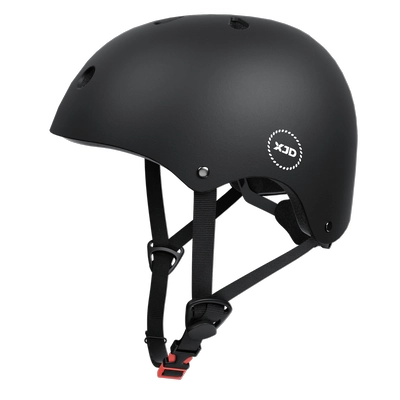
XJD Kids Bike Helmet Protective Gear Set
XJD Kids Bike Helmet Protective Gear Set makes helmet selection clearer: measure…
Bike Helmets Blue / L:21.65"-22.83" / 55-58 cm -
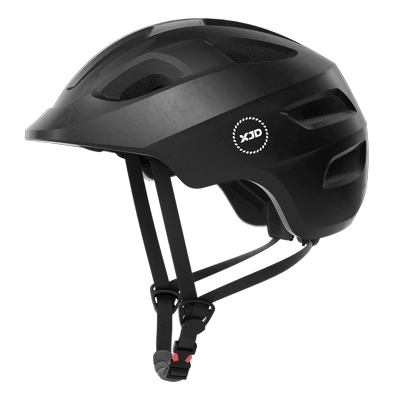
XJD Kids Bike Helmet Black
7 reviews 7 sold
XJD Kids Bike Helmet Black makes helmet selection clearer: measure first, then c…
Bike Helmets Purple / S:18.11"-20.08" / 46-51 cm -
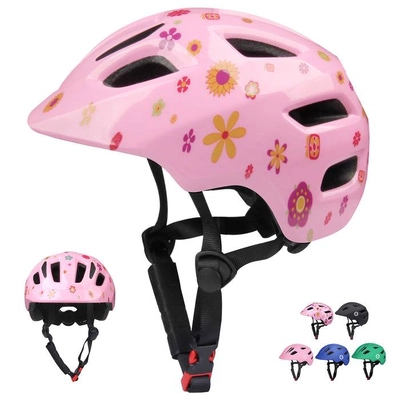
XJD Kids Bike Helmet Pink Flower
7 reviews 3 sold
XJD Kids Bike Helmet Pink Flower makes helmet selection clearer: measure first, …
Bike Helmets S:18.11"-20.08" / 46-51 cm